
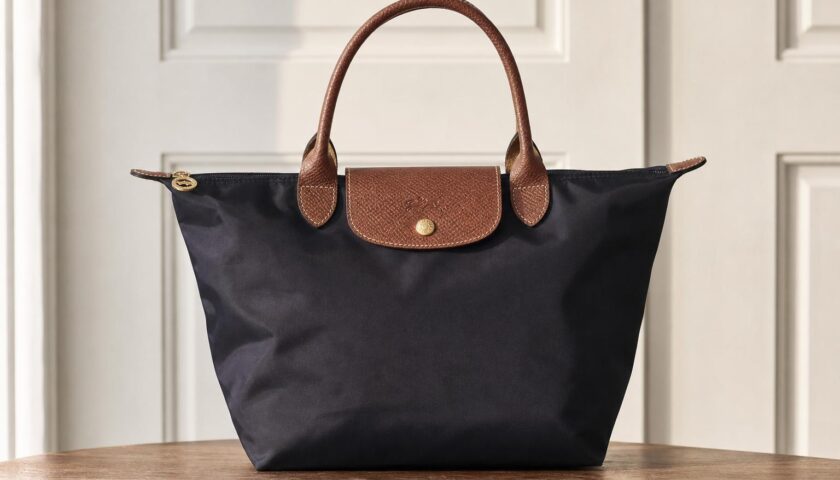
If you live in Canada and you’ve ever watched a rush-hour subway car fill up in Toronto, seen the lunchtime crowd in downtown Vancouver, or stood in line for coffee during a Montreal snowstorm, you’ve probably spotted a Longchamp bag (or five). There’s a reason these foldable totes and sleek crossbodies have stayed on Canadian shoulders for decades: they’re practical, polished, and surprisingly tough. This guide explains everything you need to know—how to pick the right Longchamp bag, what it costs in Canada (including taxes), how to care for it through our four-season climate, and how to spot a fake when you’re shopping second-hand.
We’ll cover the classics like the Longchamp Le Pliage, go deeper into materials and sizes, talk about Canadian return policies and duty thresholds, and share no-nonsense upkeep tips that actually work when you’re dealing with slush, salt, and sudden downpours. If you want the full picture—value, longevity, and day-to-day utility—keep reading.
Why Longchamp Bags Work So Well in Canada
Canada asks a lot of a bag. Commutes can be long; weather flips in minutes; and many of us walk, ride, and drive in the same day. A Longchamp bag slots into that reality. Especially the Longchamp Le Pliage: light, foldable, water-resistant nylon with leather trim. It’s not precious. It’s not fussy. It moves from gym to office to daycare pickup without nagging you about every raindrop.
Another reason Longchamp stuck here: quiet luxury. You get classic shape and subtle branding instead of splashy logos, so it looks right with a parka, a blazer, or a t-shirt. The design sticks around for years, which means if you buy a Longchamp tote now, it won’t feel dated by next winter’s storm cycle or next year’s office trend.
And then there’s travel. Canadians fly a lot—across provinces, to the States, to Europe. A Longchamp bag folds flat in your suitcase and pops out when you need a day bag. Or it becomes your personal item on a flight, swallowing snacks, a water bottle, noise-cancelling headphones, and that paperback you keep meaning to start.
Brand Snapshot: What You’re Really Buying with Longchamp
Longchamp is a French family-owned brand founded in 1948 by Jean Cassegrain. The horse-and-jockey logo nods to speed and motion; the name Longchamp comes from the Paris racecourse. The best-known product by far is the Longchamp Le Pliage—launched in the 1990s and inspired by origami, designed to fold into a neat rectangle with a snap. Over time, the line expanded from nylon totes to leather versions, backpacks, crossbodies, travel bags, and seasonal collaborations.
One thing to understand up front: authentic Longchamp bags are made in several countries, not just France. For Le Pliage especially, you’ll see “Made in France,” “Made in Tunisia,” or “Made in China,” among others, depending on the model and production run. Country of manufacture doesn’t determine authenticity for this brand; quality control does. Keep that in mind if you’re shopping pre-loved and someone tries to tell you “only French-made is real.” Not true.
The Longchamp Le Pliage Family, Explained
You’ll see lots of names floating around—Le Pliage Original, Green, City, Cuir—and it can be confusing. Here’s how to think about it in practical terms.
Le Pliage Original (the icon)
This is the classic foldable nylon tote with leather flap and handles. It usually has a zip closure plus a snap on the flap. It weighs almost nothing, folds flat, and shrugs off drizzle. The Original is the commuter workhorse. It comes in multiple sizes, from small top-handle to roomy travel bags. Seasonal colours rotate twice a year, so if you love a shade, don’t assume it’ll be around forever.
Le Pliage Green (the eco-minded version)
Le Pliage Green uses recycled polyamide (a nylon family) and often features tonal or contrast trim. It keeps the same shapes you know, with more attention to sustainable materials. If you want a lower-footprint Longchamp bag without abandoning the classic look, this is the easy choice.
Le Pliage City and Neo (more structure)
Some seasons include “City” or “Neo” styles—usually a denser, smoother fabric that holds its shape better than the Original’s pliable nylon. The vibe is a bit more tailored. If your work wardrobe leans structured and you prefer a tote that stands up on its own, put these on your radar.
Le Pliage Cuir (leather)
Le Pliage Cuir translates the foldable concept into soft leather. It’s dressier than the nylon and costs more, but you still get a relatively lightweight bag with a refined profile. If you like the silhouette but want an all-leather tote or crossbody, the Cuir line hits that sweet spot.
Backpacks, crossbodies, and travel bags
Within the Le Pliage universe you’ll find backpacks, small crossbodies, and weekender-style travel bags. The backpacks are campus and festival favourites. The travel bags fold and store easily, then expand for road trips or carry-on duty. Crossbodies—especially the compact square shapes—work for weekends and concerts when you want hands free.
Other Notable Longchamp Lines Beyond Le Pliage
It’s not all nylon. If you want a Longchamp bag with a different personality, look at these leather-forward families:
- Roseau: Polished leather totes with a signature bamboo-style closure. Office-friendly and elevated without being loud.
- Le Foulonné: Pebbled leather with a durable, slightly textured finish. Minimal branding, timeless shapes. Great for everyday use if you want leather longevity.
- Box-Trot: Structured crossbodies with a bold medallion logo plate. A little more graphic, still wearable.
- 3D and other seasonal lines: Trend-led designs that rotate. If you like to refresh your look every couple of years, keep an eye on seasonal drops.
These aren’t foldable, but they keep Longchamp’s reputation for clean lines and utility. If you’re moving up from nylon to leather in your career wardrobe, they’re worth a look.
Choosing the Right Longchamp Bag for Your Life in Canada
Start with use cases, not just looks. A great-looking tote that can’t handle Vancouver rain or a Montreal metro crush won’t get much wear. Answer these quick questions:
- Commute by transit, car, or foot? Long walks and transit favour lighter bags and crossbodies. Car commutes can handle heavier leather.
- Laptop size? If you’re carrying a 15-inch, you’ll need a larger tote and a padded sleeve. Smaller laptops and tablets give you more flexibility.
- Weather exposure? In cities with lots of precipitation (Vancouver, Halifax), nylon is less stressful day-to-day. Leather is fine too, but demands more care in rain and slush.
- Security needs? Zippered tops and crossbody straps are better for crowded spaces and travel days.
- Weight tolerance? Leather looks fantastic but adds weight even before you pack it. Nylon stays featherlight.
Popular Sizes and What They’re Good For
Exact dimensions vary slightly by season and model, but this table gives a helpful overview. Always check the current product page for the precise numbers.
| Model | Approximate Size | What It Fits | Typical Use |
|---|---|---|---|
| Le Pliage Small Top-Handle | ~25 x 25 x 14 cm | Wallet, phone, keys, small pouch | Weekends, dinners, light errands |
| Le Pliage Small Shoulder | ~26 x 28 x 14 cm | iPad, water bottle, book | Daily essentials, museum days |
| Le Pliage Medium Shoulder | ~30 x 30 x 19 cm | 13” laptop in sleeve, lunch, notebook | Work/commute, classes, gym-lite |
| Le Pliage Large Shoulder (Shopping Tote) | ~31 x 30 x 19 cm | 15” laptop in sleeve, sweater, extras | Heavier commutes, carry-all days |
| Le Pliage Travel (Weekender) | ~45 x 35 x 23 cm | Weekend change of clothes, shoes | Carry-on/personal item, road trips |
| Le Pliage Backpack | Varies (compact) | Water bottle, book, small tablet | Campus, festivals, hands-free days |
Tips: A medium or large Longchamp tote is the Canadian sweet spot for office commuters. Add a lightweight laptop sleeve and a small zip pouch so loose items don’t swim. If you’re running to the gym after work, stash a drawstring bag inside to separate shoes from everything else.
How Much Does a Longchamp Bag Cost in Canada?
Pricing changes with each season, material, and retailer, but these ranges give a realistic sense of what to budget before taxes. Consider this a snapshot, not a price guarantee.
- Le Pliage Original small totes and crossbodies: roughly CAD $150–$220
- Le Pliage Original medium/large totes: roughly CAD $200–$260
- Le Pliage Travel (weekender): roughly CAD $250–$350
- Le Pliage Cuir and other leather versions: roughly CAD $500–$900+
- Roseau, Le Foulonné, Box-Trot (leather lines): roughly CAD $600–$1,300+ depending on size
Sales happen most often on seasonal colours or past-season items. Core colours (black, navy, beige) rarely get deep discounts. If you’re flexible on colour, end-of-season and major shopping weekends (Black Friday/Cyber Monday, Boxing Day) can yield meaningful savings.
Don’t Forget Canadian Taxes
Taxes add up, and they vary by province and territory. As a quick refresher:
- GST (5%) applies across Canada.
- HST (harmonized) provinces charge 13–15% total. For example: Ontario is 13%; Nova Scotia, New Brunswick, PEI, and Newfoundland and Labrador are 15%.
- Quebec adds QST (9.975%) on top of GST, for a combined ~14.975%.
- BC, Saskatchewan, and Manitoba add PST/RST (7%, 6%, and 7% respectively) on top of GST.
- Alberta, Yukon, Northwest Territories, and Nunavut have no provincial sales tax, so you only pay the 5% GST when buying locally.
If you’re ordering online from outside your province, most large retailers charge the correct destination tax at checkout. Keep your receipt—warranties and repairs often require proof of purchase.
Buying from Abroad: Duties and De Minimis
If you’re tempted by a deal from a U.S. or international site, factor in shipping, exchange rates, taxes, and potential duties. Under Canada’s rules, shipments by courier have higher de minimis thresholds than postal shipments, but taxes and duties can still apply depending on value and origin. Trade agreements can reduce or eliminate duties on certain goods, but not across the board and not always for handbags. When in doubt, check the Canada Border Services Agency (CBSA) guidance and a tariff lookup before clicking “buy.” A bargain that looks amazing in USD can lose its shine after conversion, shipping, and fees.
Where to Buy a Longchamp Bag in Canada (Safely)
To avoid counterfeits and ensure warranty coverage, stick to authorized channels:
- Longchamp’s official Canadian website. You’ll get the latest colours, personalization options, and straightforward returns.
- Official Longchamp boutiques. Major Canadian cities typically have brand boutiques; use Longchamp’s store locator to confirm current locations and hours.
- Authorized department stores and specialty retailers. Buy from recognized, reputable stores and their official websites. If you’re not sure a store is authorized, ask Longchamp customer service.
Be cautious with marketplace listings offering “new with tags” Longchamp totes at steep discounts. Counterfeits are common. If you’re buying second-hand, choose platforms with strong authenticity checks and clear return policies, and always pay through secure, traceable methods.
How to Spot an Authentic Longchamp Bag
Counterfeits have improved, but authentic Longchamp bags have consistent hallmarks. No single sign proves authenticity, but the picture gets clear when multiple details line up.
- Materials and feel: Le Pliage nylon should feel sturdy yet pliable, not papery or plasticky. Leather trim should be smooth and even, with a light, consistent grain.
- Stitching: Stitches are even and clean, with no loose threads or sloppy angles—especially at the handle bases and around the flap.
- Logo details: The zipper pull and snap button typically feature the jockey-and-horse logo and “LONGCHAMP PARIS.” The embossing is crisp, not muddy.
- Heat stamp: Under the flap or inside, you’ll usually find a clean “LONGCHAMP PARIS” stamp. On leather lines, the logo emboss should be sharp and centered.
- Interior tags: Authentic Le Pliage includes an interior tag with a style code and a country of manufacture. Remember: “Made in France” is not the only authentic stamp for this brand.
- Hardware: Zippers glide smoothly and feel solid. Cheap, tinny hardware is a red flag.
- Price and provenance: If the price is unbelievable and the seller can’t show a receipt or a traceable paper trail, walk away.
When buying pre-loved in Canada, choose established consignment boutiques or well-known resale platforms that back authenticity. Avoid cash-only in-person deals from sellers who decline to meet in a public place. And if you’re importing a counterfeit—even unknowingly—CBSA can detain it, and you may lose the purchase and the money.
Care and Cleaning: Make Your Longchamp Bag Last
Good news: most Longchamp bags are easy to maintain, especially the Le Pliage nylon styles. A little care goes a long way, and it’s worth building a routine that fits Canada’s seasons.
Everyday habits that prevent wear
- Rotate your carry: If you pack a laptop, charger, gym gear, and lunch, don’t use the same shoulder every day. Swap sides or wear crossbody when possible.
- Use pouches: Keep pens, makeup, and cables in zip pouches to prevent ink marks and snags inside the tote.
- Use a laptop sleeve: A separate padded sleeve protects both your device and the interior fabric.
- Don’t overload: Nylon is tough, but constant overstuffing strains seams and handles. If you need a weekender, use the travel size—not a small tote stretched to the limit.
Cleaning Le Pliage nylon
- Wipe down with a damp cloth, mild soap, and cool water. Rinse the cloth, then go over it again to remove soap residue.
- Spot-treat stains with a tiny drop of gentle dish soap. For tougher spots, a fabric-safe stain remover can help—test first on an inconspicuous area.
- Air dry away from heat or direct sun. Don’t machine wash or tumble dry; heat and agitation can warp fabric and leather trim.
Canadian winter care: salt and slush
- Salt stains: Mix a solution of cool water with a splash of white vinegar, lightly dampen a cloth, and dab the stained area. Follow with a water-only wipe to remove vinegar and let dry naturally.
- Wet leather handles: Blot gently with a soft cloth. Once fully dry, condition sparingly with a leather conditioner to prevent dryness. Avoid over-conditioning; it can darken leather.
- Drying protocol: Stuff the bag loosely with a clean towel to help it hold shape while drying. Avoid radiators or hair dryers.
Leather Longchamp bags (Roseau, Le Foulonné, Cuir)
- Wipe with a soft, slightly damp cloth to remove surface dirt. Dry immediately.
- Condition every few months, lightly. Choose a neutral, high-quality leather conditioner and test first.
- Protect from heavy rain. A brief shower is fine; a downpour is not. Use an umbrella or switch to a nylon tote on truly foul days.
Storage tips for small spaces
- Stuff with tissue or a soft towel to maintain shape. For Le Pliage, you can fold it as designed, but long-term folding can crease—stuffing is kinder if you have the room.
- Store in a breathable dust bag. Avoid plastic bins for leather; they can trap moisture.
- Keep away from direct sunlight and heat vents to prevent fading and dryness.
Fabric protectants and sprays
If you want extra water repellency, check the manufacturer’s guidance before using sprays. Some fabric protectants are safe on nylon and canvas; others can leave marks or change the hand of the fabric. Test on a hidden area first. For leather, be cautious—overuse can clog pores and change colour.
Repairs, Warranty, and After-Sales Support in Canada
Longchamp offers after-sales support and repairs for manufacturing defects and, in many cases, wear-and-tear fixes for a fee. The process typically looks like this:
- Bring the bag (and receipt if you have it) to a Longchamp boutique or contact customer service via the official Canadian website.
- The team assesses whether the issue is a manufacturing defect or regular wear. Manufacturing defects may be covered under a limited warranty; timelines and coverage can vary.
- Common repairs include zipper replacement, snap repair, handle reinforcement, and restitching. Expect a wait time—repairs can take several weeks.
- For bags bought through authorized retailers, you can usually start the process through the retailer or directly with Longchamp.
Tip: Photograph your bag before sending it for repair, and keep email confirmations. If you use the bag daily for commuting, consider a backup tote during the repair window.
Customizing a Longchamp Bag in Canada
Longchamp offers personalization for Le Pliage on its official site, allowing you to choose colours, trim, hardware tone (in applicable models), handle length, and monogramming or embossing. Customized orders typically take longer to ship—plan ahead if it’s a gift or for a specific event. Personalized items may have different return rules than standard purchases; check the policy before you order.
Using a Longchamp Bag for Air Travel
Many Canadians buy a Longchamp tote for travel—either as a personal item or carry-on. It’s a smart use case, but check your airline’s size limits since they differ slightly.
- Carry-on allowances on major Canadian airlines are in the ballpark of 55 x 23 x 40 cm (Air Canada) and 53 x 23 x 38 cm (WestJet). Verify current dimensions before you pack.
- Personal item allowances are smaller. A small or medium Le Pliage often fits under-seat if not overstuffed. The travel size can work as a carry-on or a personal item on some flights if packed lightly, but don’t assume—measure.
- Security tip: Use interior pouches. When you pull out liquids or electronics at screening, you won’t be fishing at the bottom of a dark tote.
Another perk: a folded Le Pliage packs into your suitcase on the way out; on the way home, it expands to hold souvenirs. Just remember that duty-free doesn’t mean tax-free once you clear the airport if you’re exceeding personal exemptions coming back into Canada—check CBSA rules for time away and value limits.
Real-World Outfit Pairings for Canadian Seasons
Summer in Halifax is not winter in Edmonton, so let’s be practical about styling a Longchamp bag across the calendar.
- Rainy spring (Vancouver, Victoria): Le Pliage Original or Green in a darker colour hides splashes. Wear crossbody on stormy days so it doesn’t slip off a rain jacket.
- Humid summer (Toronto, Montreal): Small shoulder or crossbody in a light colour keeps things breezy for festivals and patio dinners. Keep a foldable tote in your bag for farmers’ markets.
- Leaf season (Ottawa, Quebec City): Medium tote in camel, olive, or navy looks great with wool coats and knits. Add a scarf to soften the neckline near the leather handles.
- Deep winter (Winnipeg, Saskatoon): Stick with nylon for daily slush duty. Use a glove-friendly zip pouch inside so you’re not fumbling with small items in -20°C wind.
- Office year-round: Leather lines like Roseau or Le Foulonné sharpen a blazer-and-trousers look. On truly wet days, swap to nylon and save leather for indoors.
For men: Look at Le Foulonné brief-style bags, Le Pliage backpacks, and neutral Le Pliage totes in black, navy, or khaki. The brand skews unisex in many silhouettes, and low-key branding fits minimalist wardrobes.
Sustainability and Longevity: Making a Better Choice
Sustainability for bags isn’t just about recycled fabric; it’s about lifespan and repairability. Longchamp ticks a few boxes here:
- Recycled materials: Le Pliage Green uses recycled polyamide, and the brand has released capsule collections using surplus materials.
- Repair support: The availability of repairs extends a bag’s life. A new zipper can add years.
- Classic design: When a silhouette stays in style for decades, you’re less likely to churn through new purchases.
If you want to push your purchase further, maintain a simple rotation (one work tote, one crossbody, one travel bag), repair when needed, and sell or consign bags you no longer use. Keeping items in circulation is the quiet sustainability win.
Second-Hand and Consignment: Smart Canadian Strategies
The resale market for Longchamp is strong, especially for Le Pliage totes and leather classics in good condition. Here’s how to approach it in Canada.
Where to buy pre-loved
- Reputable consignment boutiques in major cities. Established shops vet items and typically offer returns or store credit if authenticity issues arise.
- Well-known online platforms that operate in Canada and provide buyer protection. Look for platforms with clear authenticity policies and dispute processes.
- Local marketplace apps with caution. Meet in public, inspect thoroughly, and use secure, traceable payments. Avoid e-Transfer to strangers with no recourse.
How to evaluate condition and price
- Check corners, handles, and zipper pulls—the highest-wear zones on Le Pliage.
- Inspect interior lining for ink stains and makeup marks. Ask for clear photos in natural light.
- Look for the interior tag and style code. If the seller can’t provide a shot of it, proceed carefully.
- Compare prices across multiple listings. A bag priced well below the going rate—with no reason like damage—is suspicious.
Buying pre-loved is often the best-value route to a leather Longchamp bag in Canada. You’ll avoid initial depreciation and still get a piece that looks sharp for work.
Common Mistakes Canadians Make with Longchamp Bags (and How to Avoid Them)
- Overloading nylon totes with heavy tech daily. Use a sleeve and consider a backpack if you’re hauling power bricks and multiple devices.
- Skipping weather care. A 30-second wipe-down after a slushy commute prevents long-term stains and salt rings.
- Using aggressive cleaners. Bleach, acetone, and harsh solvents can damage nylon and leather. Stick to mild soap and water.
- Not measuring for airline limits. “It looks small enough” can lead to gate-check surprises. Measure once; fly stress-free.
- Assuming “Made in France” is the only real thing. Longchamp manufactures in multiple countries. Focus on quality markers and authorized sellers.
Bag Organizers and Accessories That Actually Help
Organizers can transform a Longchamp tote from “black hole” to “I can find my AirPods.” The trick is to keep it light and flexible.
- Felt or nylon organizers: Choose one sized for your tote (check the product page for dimensions). Go one size down if you want to keep the bag’s slouch.
- Zipped pouches: One for tech, one for personal items. Label or colour-code to grab fast.
- Key leash: A short clip makes keys easy to find without digging on a cold sidewalk.
- Bag base shaper (optional): Helps a large tote stand, but can add weight. Try a thin, flexible version.
One caution: over-accessorizing can make a light tote heavy and rigid. Start small. Add only what solves a real annoyance.
Longchamp Bag vs. Alternatives: What Are You Comparing Against?
If you’re cross-shopping, you’re likely looking at other nylon or canvas totes and lightweight designer options.
- Tech-focused nylon totes (e.g., travel brands): Often include built-in laptop sleeves and more pockets. Heavier. More “gear” aesthetic.
- Sporty totes from active brands: Durable and affordable, with casual styling. Less polished for formal workplaces but fine for weekends and gyms.
- Designer leather totes: Stunning, structured, heavier, and pricier. If you want dressy and don’t mind babying leather in weather, they deliver. For all-weather commuters, they can feel high-maintenance.
The Longchamp bag proposition is simple: clean look, low weight, weather-friendly, reliable. If those are your top priorities, Le Pliage shines. If you crave built-in organization or rigid structure, consider an insert or a different line like Roseau or a tech-forward tote.
Is a Longchamp Bag Worth It in Canada?
Short answer: for many people, yes. The value equation balances out when you consider daily usability and lifespan. A medium or large Le Pliage used hard for work and travel can run for years with minimal maintenance. Leather lines add polish for offices where image matters. If you want a “buy it and forget it” everyday bag that you won’t baby in rain and sleet, the Longchamp Le Pliage is worth every penny.
On the flip side, if you love ultra-structured bags with multiple compartments and thick leather, the standard Le Pliage may feel too soft and simple. That’s not a flaw; it’s a design choice. Know your preferences, and you’ll land on the right model.
How to Build a Two-Bag System That Works Year-Round
Here’s a setup that covers most Canadian lifestyles:
- Everyday work tote: Le Pliage medium or large in a dark neutral. Add a laptop sleeve and two pouches.
- Weekend/crossbody: A compact Le Pliage crossbody or a leather crossbody from Roseau/Box-Trot for dinners and travel days.
Optional third: a Le Pliage Travel for weekend trips or as a “just in case” foldable extra on longer vacations. With these, you’ll rarely be stuck for the right bag.
Troubleshooting: Quick Fixes for Common Issues
- Musty smell after storage: Air the bag in a dry area out of sunlight. Place a small sachet of baking soda or activated charcoal nearby (not touching the leather) for a day or two.
- Wrinkles from folding: Lightly stuff the bag and let it sit. Most creases ease with use. A garment steamer held at a safe distance can help on nylon—avoid direct steam on leather.
- Zipper feels stiff: Check for caught fabric first. If clear, a light touch of zipper lubricant (formulated for bags) can help. Don’t use cooking oil or wax that can stain.
- Ink mark inside: Try a cotton swab with a tiny amount of rubbing alcohol on the lining only—test first and keep away from leather. If in doubt, leave it to a professional cleaner.
What to Expect from Colour and Patina
Le Pliage nylon holds colour well, but light shades show dirt faster. Leather handles on the nylon totes may darken slightly over time with oils from your hands—that’s normal patina. If you prefer a pristine look, pick darker trims. For leather-only bags, expect gradual softening and a subtle sheen. Avoid prolonged direct sun to minimize fading.
Budgeting and Timing Your Purchase in Canada
If you want the best deal without gambling on authenticity, consider these timing tips:
- Seasonal colour drops: New colours mean older colours may go on sale at authorized retailers.
- Major shopping events: Expect limited discounts on core lines, more on seasonal pieces.
- End-of-season: Summer shades often get marked down heading into fall, and vice versa.
If you’re aiming for a single, versatile tote to use daily, it’s better to buy the colour and size you truly want than to chase a discount on a compromise. Bags that match your lifestyle get used more—and that’s how you get value from a Longchamp bag.
Safety and Security on Canadian Transit
On crowded buses and subways, a crossbody or a tote with a full zip is simply less stressful. For Le Pliage totes, keep the zip closed and the flap snapped. On winter days when you’re gloved and moving quickly, carry valuables in a small inner zip pouch so you can reach for essentials without opening the full tote. In cities with packed festivals or sports events, consider a compact crossbody and leave the big tote at home.
When a Leather Longchamp Bag Makes Sense
There’s a moment in certain careers—client-facing roles, presentations, interviews—when a leather bag feels right. If that’s you, Roseau and Le Foulonné balance elegance and function. They’re also strong candidates for those who don’t want to switch bags between office and dinner. If you walk long distances or live in a particularly wet climate, keep a nylon tote as your “bad-weather backup.” You’ll appreciate having both.
Packing a Longchamp Tote Like a Pro
A simple layout keeps weight balanced and items findable:
- Base layer: Laptop in a sleeve against the back wall. If no laptop, put the heaviest item (water bottle) at the bottom, upright in a slim sleeve.
- Centre: Two mid-size pouches (tech and personal). Place them vertically so you can grab the top tabs.
- Top layer: Notebook or book, sunglasses case. Keys on a leash clipped to the interior ring if present, or to a small carabiner.
If your tote tips, you’ve probably put all the weight on one side. Redistribute so it sits flat. Your shoulder will thank you by lunchtime.
What Makes the Longchamp Le Pliage Different from “Just Another Nylon Tote”
Three things set it apart:
- Foldability: The exact fold-and-snap design is why it packs so well. Many nylon totes claim to be packable; few get this compact.
- Leather touchpoints: The handles and flap add polish, turning something practical into something presentable.
- Longevity: You see 10-year-old Le Pliage bags still working hard. That’s the strongest review a bag can get.
Gifting a Longchamp Bag in Canada
It’s a low-risk gift. Sizes and colours are forgiving, and the recipient will likely find a way to use it—even if it becomes their travel or gym bag. If you’re unsure about size, the medium Le Pliage shoulder tote hits the sweet spot. For a personal touch, consider the personalization program with initials, but order well ahead of birthdays or holidays.
Longchamp Bag Myths, Debunked
- Myth: “Only French-made Longchamp bags are authentic.” Reality: Authentic bags are made in multiple countries. Focus on quality and authorized sellers.
- Myth: “Nylon equals cheap.” Reality: The nylon used here is durable, tightly woven, and purpose-chosen for lightness and packability.
- Myth: “Leather is always better.” Reality: In Canadian weather, leather may demand more care. The “best” choice depends on your life.
A Final Word on Style and Substance
It’s easy to chase trends. A Longchamp bag doesn’t ask you to. It gets you through rain, wind, slush, Zoom calls, grocery runs, and gate changes without becoming the main character. That’s its magic. If you’re looking for a bag that respects your time and your climate, put it to work. You’ll understand the loyalty the brand inspires every time you shrug into your coat, zip your tote, and head out into another Canadian day.
FAQ
Is the Longchamp Le Pliage waterproof?
It’s water-resistant, not fully waterproof. The nylon repels light rain and splashes, but heavy, prolonged rain can seep in at seams or zippers. For downpours, use an umbrella or a rain cover.
Which Longchamp bag is best for work?
For most office commutes in Canada, the Le Pliage medium or large shoulder tote is the sweet spot. If you want a dressier option, look at Roseau or Le Foulonné in leather and use a nylon tote on bad-weather days.
Does a 15-inch laptop fit in a Le Pliage?
Often, yes—in the large shoulder tote or the travel size, ideally with a separate padded sleeve. Always check your device’s exact measurements against the bag’s current specs.
How do I clean a Longchamp Le Pliage after salt stains?
Wipe with a damp cloth to remove residue. For stubborn salt marks on nylon, dab a mix of cool water with a little white vinegar, then wipe with plain water and air dry. Condition leather handles lightly after they’re fully dry.
Are Longchamp bags machine washable?
No. Avoid washing machines and dryers. Clean by hand with mild soap and water, then air dry away from heat.
Where can I buy an authentic Longchamp bag in Canada?
From Longchamp’s official Canadian website, official brand boutiques, and authorized department or specialty retailers. Use the brand’s store locator and when in doubt, ask customer service if a retailer is authorized.
Do Longchamp bags go on sale in Canada?
Core colours rarely see deep discounts, but seasonal colours and select lines are discounted during major shopping events and end-of-season periods at authorized retailers.
What’s the warranty on a Longchamp bag?
Longchamp offers a limited warranty for manufacturing defects and provides repairs. Coverage details and timelines vary. Keep your receipt and contact a boutique or customer service for assessment.
Are personalized Longchamp bags returnable?
Personalized items typically have more restrictive return policies. Check the policy on the official Canadian site before ordering.
How can I tell if a pre-loved Longchamp bag is fake?
Look for clean stitching, quality nylon and leather, crisp logo stamps, proper hardware, and an interior tag with a style code. Buy from reputable consignment stores or platforms with authenticity guarantees and clear return policies.