
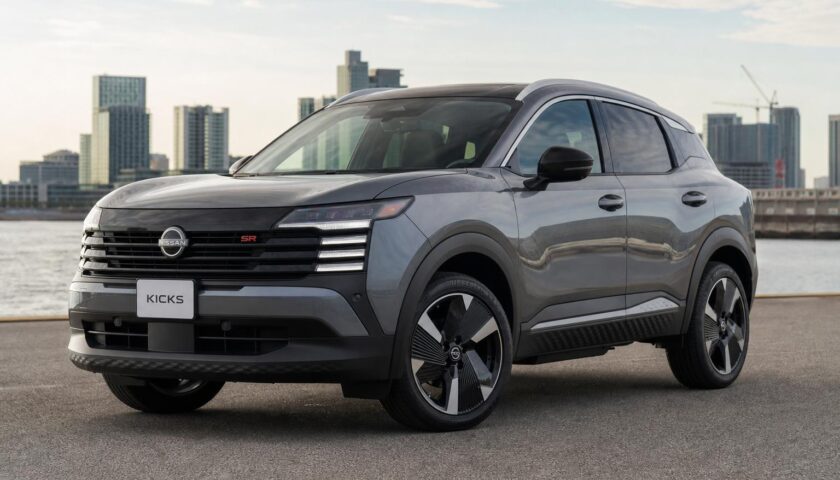
If you’ve been watching Canada’s small crossover scene, you know the ground has shifted. The 2025 Nissan Kicks arrives right as urban drivers ask for one thing above all: capability without bloat. It keeps the easy-to-park footprint and wallet-friendly attitude that made the Kicks a favourite, but adds the feature Canadians have wanted for years—available all-wheel drive—along with more power, a smarter cabin, and sharper tech. Thinking about a practical, winter-ready subcompact SUV for life in the GTA, Metro Vancouver, Calgary, Montreal, or Halifax? This deep dive covers what’s new, where it shines, where it doesn’t, and how to buy, own, and enjoy the Nissan Kicks 2025 in Canada with confidence.
In plain language, you’ll learn what changed for 2025, how the trims stack up, real-world fuel economy expectations in L/100 km, winter performance, family usability, safety tech, infotainment, pricing factors (including Canadian taxes and fees), and smart shopping tactics. We’ll compare the Kicks to rivals like the Chevrolet Trax, Kia Seltos, Toyota Corolla Cross, Mazda CX-30, Hyundai Venue, Honda HR-V, and Volkswagen Taos. You’ll also get practical advice for winter tires, block heaters, child seats, and maintenance—rooted in Canadian regulations and realities, not wishful thinking.
What’s New on the Nissan Kicks 2025
The 2025 Nissan Kicks is a ground-up redesign for North America. The headline change is simple but meaningful: for the first time, this small crossover offers available all-wheel drive. That aligns the Kicks with Canadian needs, especially outside downtown cores where snow, slush, and unplowed side streets are routine. It’s still light, tidy in traffic, and easy to live with, but there’s a stronger push toward year-round confidence.
Under the hood, the 2025 Kicks moves to a larger naturally aspirated four-cylinder engine paired with an updated Xtronic CVT. The target here isn’t street racing; it’s smoother, quieter everyday power with less drama when merging. If you remember the previous Kicks for being peppy around town but stretched on highway passes, the new model responds with more midrange muscle and better noise control. Exact specs vary by market and trim and can change over a model year, so check Nissan Canada’s official site or your local retailer for the final numbers on the specific car you’re considering.
Design takes a step up too. The stance is chunkier, with bolder wheel arches and a cleaner shoulder line that makes it read less “econobox” and more “mini adventure rig.” The interior follows suit: a more modern dash layout, improved materials in touch zones, and larger screens available on upper trims make daily use less of a compromise. You’ll notice smarter storage details and small conveniences that matter in winter—like better placed heating controls, available heated steering wheel, and seats that warm quickly.
Tech and safety also get a lift. Nissan Safety Shield 360 remains a core part of the Kicks, with automatic emergency braking, blind-spot warning, rear cross-traffic alert, lane-departure warning, and high-beam assist commonly fitted. Upper trims add items like adaptive cruise control and, on certain packages, ProPILOT Assist—a combination of adaptive cruise and lane centring for highway use. It’s not self-driving. Think “helps reduce fatigue on the 401 or Autoroute 20” while you stay fully engaged.
Trims and Features in Canada: What to Expect
Nissan typically offers the Kicks in a straightforward lineup, often labelled S, SV, and SR in Canada, with packages that add comfort or tech. Exact trim names and equipment can vary over the model year, but the general flavour is consistent: the base is well-equipped for the price, the mid-tier adds the conveniences most Canadians want, and the top trim layers on advanced tech and a sportier look.
Even in its most affordable form, the Nissan Kicks 2025 targets daily needs rather than bare-bones motoring. Expect standard smartphone integration (Apple CarPlay and Android Auto), multiple USB ports (including USB-C on many models), a decent touchscreen, automatic emergency braking with pedestrian detection, and air conditioning. Canadian-spec Kicks typically include heated front seats as standard or early in the lineup—practically mandatory in our climate.
The mid-trim SV is traditionally the sweet spot for value. On many recent Nissans in Canada, SV brings items like larger wheels, remote start, dual-zone or automatic climate control, additional USB ports, upgraded infotainment, and more refined interior touches. For winter, this is usually where you see heated steering wheel availability and better driver-assistance coverage. If you want AWD without splurging, this trim tends to be the pragmatic landing zone. Always verify the specific SV package at your dealer; content can shift mid-year.
SR, the likely top trim, typically looks and feels more premium. Expect the sportier exterior details, the largest screens available in the Kicks lineup, possibly an upgraded audio system (Nissan has historically offered Bose solutions, sometimes with headrest speakers on Kicks), a digital instrument cluster, surround-view camera, and the fullest driver-assistance suite. If you spend long hours commuting, take frequent highway trips, or simply like tech done right, SR often earns the extra spend—especially when bundled with ProPILOT Assist.
Choosing Front-Wheel Drive vs All-Wheel Drive
Here’s the Canadian reality: winter tires matter more than AWD for stopping and turning on ice and packed snow. That said, AWD helps you move off the line, climb a snowy hill, and keep momentum in slush. If you live in downtown Victoria or spend winters on well-cleared urban routes, a front-wheel-drive Kicks with quality winter tires may serve you perfectly. If you regularly face unplowed neighbourhoods in Calgary, cottage roads in Muskoka, or steep driveways in North Vancouver, AWD is worth it.
The Kicks’ AWD system is tuned for light, predictive assistance rather than rock-crawling. It’s about traction and stability in bad weather and confidence on rough surfaces, not off-road heroics. Expect selectable drive modes like Snow and Eco on AWD models, with the vehicle primarily in front-drive to save fuel and calling in the rear axle as conditions demand.
Recommended Builds for Canadian Drivers
Value commuter: Kicks SV FWD with heated seats, heated steering wheel, remote start, and a winter tire package. This keeps costs reasonable and handles Toronto, Ottawa, and Halifax winters well if you buy quality H-rated or T-rated winter tires on their own steel rims.
All-weather all-rounder: Kicks SV AWD or SR AWD. Go AWD if you tackle steep neighbourhoods, frequent ski trips to Whistler or Mont‑Tremblant, or rural drives. If you want the most advanced safety tech for highway commuting, pick SR with ProPILOT Assist when available.
Technology-forward: Kicks SR AWD with the largest infotainment display, digital gauge cluster, upgraded audio, 360-degree camera, and rear cross-traffic alert. This is the setup that feels the most “futuristic” in a subcompact crossover and makes day-to-day life easier in tight parkades.
Powertrain, AWD, and the Driving Experience on Canadian Roads
The Nissan Kicks 2025 uses a naturally aspirated four-cylinder gasoline engine, matched to an updated continuously variable transmission. On paper, that looks conventional. On the road, the calibration makes the difference: better low-speed response for city work, steadier revs when merging, and less droning than older CVTs. If you’re trading in a 2018–2024 Kicks, you’ll notice the extra power just easing through traffic or passing a semi between Regina and Moose Jaw.
Ride quality takes a step up with the new platform. The Kicks absorbs expansion joints and potholes with less body shake, a quiet win in Montreal and Winnipeg where spring thaw reveals gnarly surfaces. Steering remains light, which is great for tight parking garages and parallel spots on Queen Street West. On highways, straight-line stability improves, helped by suspension tweaks and better sound insulation.
AWD models add confidence when the forecast spoils the plan. Nissan’s system anticipates wheel slip and engages the rear axle seamlessly, not just after the front tires spin. When the road is clear and dry, it functions mostly as front-drive to conserve fuel. Snow mode softens throttle response and adjusts the AWD behaviour to keep the car composed rather than twitchy—useful on those light-powder mornings when you’re first out of the driveway.
Braking and traction control logic have been tuned with winter in mind. You’ll still want proper winter tires (more on that below), but the vehicle doesn’t fight you on slippy surfaces the way some systems do. Hill-start assist helps on ramps and steep streets, a small touch that goes a long way in Vancouver’s hilly neighbourhoods or St. John’s in February.
Fuel Economy in L/100 km and Real-World Costs
Official NRCan fuel economy ratings for the Nissan Kicks 2025 will depend on drivetrain and trim. Historically, the Kicks has been one of the most efficient subcompact crossovers in Canada, particularly in front-wheel-drive form. With the move to a larger engine and the addition of available AWD, expect combined figures to remain competitive for the class—typically in the mid-7s to low-8s L/100 km, with AWD a bit higher. Your results will swing with temperature, speed, cargo, and tire choice.
Canadian winter reality check: when it’s -20°C in Saskatoon, short trips hit mileage hard due to cold starts, denser air, and winter gas blends. Remote start is convenient but idling burns fuel without moving you closer to your destination. Use it to warm the cabin and clear windows, but keep it short and consider a block heater to ease cold starts with less idling. A block heater is a game changer in the Prairies and Northern Ontario; plug in a timer for two to three hours before you leave and the engine warms faster, improving comfort and efficiency.
Regular unleaded (87 octane) is all the Kicks needs. If you plan a lot of highway driving, front-wheel drive with winter tires can cut your annual fuel bill compared to AWD. If you regularly face deep snow or unplowed side streets, the extra traction of AWD may save you time (and tow fees), which has its own value.
How to Estimate Your Annual Fuel Spend
To ballpark your yearly cost, use this quick method:
- Estimate your annual distance (e.g., 18,000 km).
- Pick a realistic combined consumption for your build and driving style (say 7.8 L/100 km for FWD or 8.5 L/100 km for AWD in mixed Canadian driving).
- Compute litres per year: distance × (L/100 km) ÷ 100.
- Multiply by your local average price per litre (taxes included).
Example: 18,000 km × 8.2 L/100 km ÷ 100 = 1,476 litres. If gas averages $1.70/L where you live, that’s roughly $2,510/year. If you switch to better route planning, keep tires properly inflated, and avoid extended idling, you can trim real money off that total.
Interior, Space, and Everyday Practicality
The Nissan Kicks 2025 keeps one of its best traits: clever space use. You sit up high enough to see over traffic yet the roofline isn’t so low that getting in and out feels like yoga. Tall drivers will appreciate the extra adjustment and better thigh support on upper trims. The rear bench remains friendly to two adults or three kids, with better knee room than the footprint suggests.
Families with infants or toddlers will find two lower UAS (LATCH) anchors in the outboard rear positions and three top tether anchors, in line with Transport Canada norms. As always with subcompact crossovers, wide child seats can be a tight fit when you also want an adult in the middle. If that’s your life stage, bring your seats to the test drive and ensure the buckles and anchor access work for your setup. Don’t forget to check stroller fit—folded height can matter as much as trunk length.
Cargo space is shaped to be genuinely useful: a squared-off opening and a relatively low liftover height mean less back strain when loading a weekly shop at Loblaws or hauling plants from Canadian Tire. The 60/40-split rear seats fold nearly flat on most trims, opening up a load floor long enough for flat-packed furniture from IKEA Richmond or a pair of adult bikes (front wheel removed). If you’re a weekend skier, a soft roof bag or crossbars and a box keep wet gear out of the cabin; Nissan-branded roof accessories are often available through Canadian dealers with proper load ratings.
Cabin materials won’t rival a luxury badge, but they’re thoughtfully chosen for daily abuse: durable fabrics, wipe-clean surfaces, and sensible textures where you touch them most. Upper trims elevate the vibe with stitched accents, metallic trim, and ambient lighting that makes the Kicks feel more expensive at night. Sound insulation is improved versus older Kicks, reducing tire roar on coarse pavement—appreciated on the 417 near Ottawa or Highway 2 in Alberta where pavement texture varies.
Infotainment and Connectivity: Apple CarPlay, Android Auto, and More
Even in base form, the Nissan Kicks 2025 integrates with your phone easily. Apple CarPlay and Android Auto are standard across the range, typically wired via USB-A or USB-C on entry trims and available wirelessly on upper trims. Wireless charging may be bundled higher up; if that matters to you, confirm the pad location and charging speed during your dealer visit—some pads charge slowly with thick cases.
An upgraded infotainment screen on higher trims gives the cabin a modern command-centre feel. Menus are cleaner, graphics crisper, and response quicker than on first-generation Kicks. A digital instrument cluster is common on SR, showing navigation prompts, driver-assistance status, and trip data at a glance. Voice recognition works well enough for common tasks—dialling, changing music, or setting a destination—without shouting.
NissanConnect Services (availability varies by trim and subscription) allows remote lock/unlock, remote start, vehicle status checks, and sometimes over-the-air software updates. In Canadian winters, being able to pre-warm the cabin from your phone is no small luxury. Keep in mind municipal anti-idling bylaws in cities like Toronto and Vancouver; use remote start responsibly and make sure your windows are fully defrosted before you move off, as required by provincial laws.
Audio quality is better than you’d expect for the segment. The base system is competent; the upgraded system on SR trims adds clarity and punch. If you care about podcasts and talk radio more than club-level bass, you’ll be happy either way. If you love music, plan your test drive with your own playlist and judge the upgrade with your ears, not just the brochure.
Safety and Driver Assistance: What Canadians Get
Every 2025 Nissan Kicks sold in Canada comes with a robust set of standard safety features under the Nissan Safety Shield 360 umbrella. These commonly include:
- Automatic Emergency Braking with Pedestrian Detection
- Rear Automatic Braking
- Blind Spot Warning
- Rear Cross-Traffic Alert
- Lane Departure Warning
- High Beam Assist
Upper trims often add Intelligent Cruise Control (adaptive cruise), a 360-degree Around View Monitor, and traffic sign recognition. Where equipped, ProPILOT Assist blends adaptive cruise with lane centring to keep the car smoothly positioned on marked highways. It reduces fatigue on long stretches of the Trans-Canada, but you remain fully responsible for steering and attention—hands on the wheel, eyes up, brain engaged. Transport Canada reminds drivers that no currently sold vehicle is self-driving, and misuse of driver-assist systems can be dangerous.
Heated side mirrors, a rear defroster, and a well-placed rear wiper are simple features that matter wildly in Canadian weather. If you park outside, confirm how quickly defrost works and whether your trim includes a heated steering wheel. A warm grip isn’t fluff at -15°C; it keeps your hands nimble and your attention where it belongs. Headlight performance is good for the class; upper trims with LED arrays cut better through winter nights.
As for crash-test scores, ratings for a newly redesigned model can be pending early in its cycle. Check the Insurance Institute for Highway Safety (IIHS) and the U.S. National Highway Traffic Safety Administration (NHTSA) for the latest results, as well as Transport Canada’s recall database. When you test drive, make the advanced safety features part of your evaluation: try adaptive cruise on a short highway loop and see how the alerts sound and feel to you.
Pricing in Canada, Taxes, and the “Out-the-Door” Number
Sticker prices shift with supply, incentives, and time of year, but the Nissan Kicks has built its reputation on affordability. For 2025, you can expect it to remain one of the most budget-friendly entries in the subcompact crossover class, with front-wheel-drive models forming the price floor and AWD trims commanding a modest premium. In many Canadian markets, typical transaction prices sit in a band that makes the Kicks attractive to first-time buyers, downsizers, and families adding a second car.
In Canada, don’t forget the add-ons between MSRP and keys-in-hand:
- Freight and PDI (pre-delivery inspection) charged by the manufacturer
- Air conditioning federal excise tax ($100 on vehicles equipped with A/C)
- Tire stewardship/recycling fees (provincial)
- Documentation/administration fees (dealer; negotiable in some cases)
- GST/HST/PST depending on your province
- Optional protection products (paint film, extended warranty, service plans, rustproofing)
EV rebates don’t apply since the Kicks is gasoline-powered. If you’re cross-shopping plug-in options, look at federal iZEV incentives and provincial programs for those vehicles; the Kicks won’t qualify.
How to Build a Smart Budget
Start with the trim and drivetrain you actually need, then add only the packages that give clear daily value. If you live in Saskatchewan, a block heater and winter tires belong on your build before fancier wheels. If you drive mostly in the GTA and want stress-free commuting, prioritize ProPILOT Assist and the 360-degree camera over purely cosmetic extras. Ask for a full out-the-door quote with line items for every fee and tax in writing. If you’re financing or leasing, focus on the total cost over the term, not just the monthly payment.
Factory order vs. in-stock can affect both price and delivery speed. In-stock cars might have dealer-installed accessories you don’t need; be willing to say no. Factory orders let you tailor spec but can take longer depending on supply. Demo vehicles (the ones used for test drives) sometimes carry small discounts with very low mileage; worth asking.
Warranty, Maintenance, and Reliability Outlook
Nissan Canada’s new-vehicle warranty has historically been competitive for the segment: typically 3 years/60,000 km comprehensive and 5 years/100,000 km on the powertrain, with corrosion perforation coverage and roadside assistance included for limited periods. Always verify the current warranty booklet for the exact terms on the 2025 Kicks you’re buying; details can change.
Maintenance is straightforward and affordable. Oil and filter changes, cabin air filter swaps, tire rotations, and brake inspections account for most visits. Follow the Owner’s Manual schedule—Canada’s climate often qualifies as “severe service,” which can shorten intervals. If you drive short distances in cold weather, more frequent oil changes are cheap insurance. Use a 0W-20 or the factory-recommended oil viscosity, and ask the service advisor to confirm the specification on your specific engine.
CVTs have improved significantly over the last decade when serviced properly. Keep up with any scheduled transmission fluid inspections or changes, especially if you tow (many subcompact crossovers aren’t rated to tow at all—check the Kicks owner’s literature) or drive in mountainous regions regularly. If your Kicks has AWD, ask for the maintenance schedule for the rear differential or relevant components. Save all service records; they boost resale and support warranty claims if needed.
Winterization Checklist for Canadian Owners
- Winter tires on dedicated rims (studded where legal and useful). In Quebec, winter tires are mandatory from December 1 to March 15. In B.C., they’re required on many signed mountain routes from October 1 to April 30.
- Block heater with a CSA-approved cord and a timer for cold snaps.
- Premium windshield washer fluid rated for deep cold and a spare jug in the cargo area.
- Rubber floor liners and a trunk tray to protect from salt and slush.
- Emergency kit: booster cables, gloves, blanket, shovel, traction aids, and a small first-aid kit.
Winter Driving with the Nissan Kicks 2025: What Matters Most
AWD helps you launch, but winter tires help you live. The Kicks 2025 makes it easy to spec for winter: AWD if you need it, heated seats and wheel on most Canadian trims, and a chassis that’s predictable on slick surfaces. Put the right tires on it and it’s a trustworthy winter companion for commutes, hockey practice drop-offs, and snowy Costco runs.
Consider a second set of wheels so swapping each season doesn’t risk tire damage. In Ontario, insurers must offer a winter tire discount—ask yours how they verify it (photos, receipts, or timing). In Quebec, the law is clear; in other provinces, your safety and stopping distance are reason enough. ABS and stability control can’t bend physics; only proper rubber can bite into the cold road.
If you park outside overnight, a block heater is worth every dollar when temperatures dive. Your engine warms faster, your heater gets hot sooner, and your oil flows better, which is good for longevity. Clear all windows and mirrors before you drive off; provincial laws require full visibility, and it’s simply safer for everyone on the road.
Competitor Cross-Shop: How the Kicks Stacks Up
The subcompact crossover class is crowded, which is great for shoppers. Here’s where the Nissan Kicks 2025 tends to land against top rivals in Canada:
- Chevrolet Trax: Spacious, value-packed, and stylish. No AWD option, which is a big factor for many Canadians. Good tech and ride quality for the price.
- Kia Seltos: Offers AWD and an optional turbo engine. Feels more rugged, with a price tag to match when loaded. Strong warranty and tech.
- Toyota Corolla Cross: Comfortable, available AWD, and a reputation for durability. Pricier trim-for-trim. Hybrid option exists (different mission than Kicks).
- Mazda CX-30: Standard AWD in Canada, upscale interior, and sporty handling. Smaller rear space and higher pricing offset the premium feel.
- Honda HR-V: Roomy and refined, AWD available. Conservative power and pricing on the high side in Canada.
- Hyundai Venue: Bargain city runabout, but FWD-only. If you don’t need AWD, it’s a strong value alternative.
- Volkswagen Taos: Big interior, available AWD, and refined road manners. Options can get expensive quickly.
In short: the 2025 Nissan Kicks is a strong pick if you want an efficient, easy-to-park crossover with available AWD, solid safety tech, and real-world value. If you need more power or towing, look to larger models. If you crave a premium cabin feel, the Mazda CX-30 is tempting. If AWD isn’t important to you, the Chevy Trax and Hyundai Venue push aggressive value.
Quick Feature Snapshot
| Model | AWD Availability | Powertrain Character | Notable Strength | Potential Trade-off |
|---|---|---|---|---|
| Nissan Kicks 2025 | Available | NA 4-cyl + CVT | Compact size, value, winter-ready spec | Not a performance pick |
| Chevrolet Trax | Not available | Turbo 3-cyl + auto | Interior space, price | No AWD option |
| Kia Seltos | Available | NA or turbo 4-cyl | Feature-rich, warranty | Can get pricey |
| Toyota Corolla Cross | Available | NA 4-cyl; hybrid option | Comfort, brand trust | Less punch in non-turbo trims |
| Mazda CX-30 | Standard (Canada) | NA or turbo 4-cyl | Driving dynamics, interior | Rear space, price |
| Hyundai Venue | Not available | NA 4-cyl | Price, city agility | No AWD, smaller cabin |
City Life vs Highway Life in a Kicks
In the city, the 2025 Kicks is in its element: narrow streets, multi-storey parkades, tight parallel spots. Light steering, good outward visibility, and clear camera systems make stress melt away. The hatchback-style cargo opening handles grocery runs, hockey bags, and a Costco impulse buy better than a small sedan. If you car-share with a new driver in the household, the Kicks’ driver aids and predictable behaviour build confidence.
On the highway, it’s calm at typical Canadian speeds. The cabin is quieter than the prior generation, though wind and road noise still remind you this isn’t a luxury crossover. Adaptive cruise control, when equipped, smooths traffic waves on the 403 or 40. For very long trips with four adults and luggage, you’ll want to stop and stretch more often than in a mid-size SUV—hardly shocking for the segment—but the Kicks won’t wear you out the way cheaper econoboxes used to.
Who the Nissan Kicks 2025 Fits Best
First-time buyers and students: Need a dependable, efficient crossover for classes at UBC or McGill, plus weekend hikes? The Kicks nails the basics and won’t demolish your budget. Pair FWD with winter tires if you live in a city with good snow clearing.
Urban families: For daycare drop-off in Calgary and a Saturday run to the farmers’ market, the Kicks offers easy in-out access, a kid-friendly rear seat, and wipe-clean practicality. Add AWD if you regularly face uphill streets or unplowed suburbs.
Downsizers: If you’re retiring in Kingston or Kelowna and want simplicity, visibility, and a smaller footprint without sacrificing comfort, the Kicks is a friendly daily companion. SR’s extra safety tech can be especially useful on longer trips to visit family.
Fleet and rideshare: The Kicks is economical to run, easy to park, and tech-friendly. Rear-seat comfort and cargo usability are strong for the size. AWD broadens where and when you can reliably operate in winter.
Test-Drive Checklist: Make Your Time Count
Bring your life with you: your phone, car seats, stroller, hockey stick, or the folding chair you always carry to kids’ games. A great test drive isn’t a ten-minute circle around the block; it’s a focused session that answers your real questions.
- Seating comfort: Drive for at least 30 minutes. Check thigh support, lumbar comfort, armrest height, and visibility of gauges.
- Noise and ride: Find rough pavement. How does it handle patched asphalt, manhole covers, and bridge joints? Listen for rattles.
- Infotainment: Pair your phone. Test Apple CarPlay or Android Auto. Try voice commands. Ensure the screen glare is manageable.
- Driver assistance: If available, try adaptive cruise and lane centring on a short highway loop. Confirm the alert tones are not annoying.
- Winter scenario: If shopping in cold months, check how quickly the seat and wheel heat up and how fast the defroster clears the glass.
- Parking: Practice parallel and back-in parking. Test the 360-degree camera stitching quality on SR if equipped.
- Cargo: Load your typical gear. Confirm the floor height, seat-fold angle, and whether the hatch clears your garage door.
Accessories and Customization for Canadian Use
Not all accessories are fluff; many extend the life and usefulness of your vehicle in Canada. Start with the practical set: all-weather floor liners, cargo tray, splash guards, and a quality set of winter tires on steel or alloy rims. If you drive on gravel or face frequent slush, paint-protection film on the rocker panels and door edges is money well spent.
Roof racks and crossbars expand your weekend options. Check the official roof load rating before adding a cargo box or bike trays. For camping, a compact cargo box that doesn’t blow up fuel consumption is smarter than the biggest box you can find. A dealer-installed block heater (where not already included) is an easy win for the Prairies and Northern B.C.
On tech, a front-and-rear dash cam setup adds peace of mind in congested cities. Just ensure the installation doesn’t interfere with airbags or driver-assistance cameras, and keep cabling tidy. Window tint laws vary by province; Quebec prohibits front-side tint beyond a very light band, while other provinces allow more. Check your province’s regulations before darkening the front windows.
Environmental Footprint and Driving Smarter
A subcompact crossover like the Nissan Kicks 2025 is a reasonable middle ground for many Canadians: smaller and lighter than mid-size SUVs, yet more practical than most subcompact cars, especially in winter. That said, your right foot has the biggest impact on emissions and fuel use. Smooth acceleration, early upshifts (which a CVT largely handles), and keeping speeds to the limit pay dividends. Combine trips when you can. Don’t carry unnecessary weight—those sandbags and roof boxes are for when you need them, not all year.
Recycling old tires through your provincial stewardship program is straightforward—most retailers handle the fee and collection. Used oil and filters should go to designated depots. If you love road trips, consider eco-driving techniques and sensible load management; they make a real difference on a small engine working hard against wind and hills.
Resale Value, Depreciation, and When to Sell
Subcompact crossovers tend to hold value better than small sedans but trail the strongest mid-size SUVs. The Kicks has a solid following in Canada for value and simplicity, which supports resale. AWD adds appeal in many provinces, particularly Quebec and the Prairies. Clean accident history, documented maintenance, and two sets of tires on rims can add real-world saleability.
Timing matters. Spring often brings more private buyers and favourable weather for test drives. Selling at the end of winter while still on winter tires can help in snow-prone regions. If you lease, mind your kilometres; excess mileage charges add up. If you finance, evaluate the remaining balance versus market value and decide whether it’s smarter to keep driving or sell while demand is hot.
Older Kicks vs Nissan Kicks 2025: Should You Upgrade?
If you own a 2018–2024 Kicks, the 2025 model addresses the two biggest asks: more power and available AWD. The new interior is more refined, the tech is cleaner, and highway composure improves. If you’ve wished for better winter traction or you’re feeling the strain in highway passing, the upgrade makes sense. If you’re happy with your current Kicks’ low running costs and mainly city driving, sticking with what you have—and investing in top-tier winter tires—might be the smarter financial play.
Final Buying Tips Specific to Canada
Verify in writing which safety and driver-assistance features your chosen trim includes. Names can sound similar but behave differently. If ProPILOT Assist is on your must-have list, ensure it’s on the VIN you’re offered, not just the demo.
Ask the dealership to itemize freight/PDI, A/C tax, and documentation fees. These add up. If a dealer-installed package bundles accessories you don’t need, request a version without it or negotiate the price down.
Consider total cost of ownership: insurance quotes, fuel cost estimates, winter tire purchase, and maintenance budget. If you’re new to winter, budget for a block heater and floor liners. If you’re in Quebec, remember that winter tires are a legal requirement on a specific timeline; build them into the deal.
Finally, test-drive competitors the same day. Your impressions will be sharper when back-to-back is truly back-to-back. Bring notes, sleep on it, then decide with a clear head.
FAQ: Nissan Kicks 2025 in Canada
Does the Nissan Kicks 2025 have AWD?
Yes, the 2025 Kicks offers available all-wheel drive for the first time in North America. It’s designed for all-weather confidence rather than off-road use, and it pairs well with quality winter tires for Canadian winters.
What kind of fuel economy can I expect in L/100 km?
Official ratings vary by trim and drivetrain, but you can expect competitive numbers for the class. In real Canadian driving, plan for combined figures typically in the mid-7s to low-8s L/100 km for FWD, with AWD a bit higher. Cold weather, short trips, and winter tires will raise consumption compared to summer highway cruising.
Is ProPILOT Assist available on the 2025 Kicks?
ProPILOT Assist is available on select trims/packages, commonly the top SR or an option bundle. It combines adaptive cruise control with lane centring for highway use. It does not make the car self-driving; you must keep your hands on the wheel and remain attentive.
How much does the Nissan Kicks 2025 cost in Canada?
Pricing depends on trim, drivetrain, and dealer-installed options, but the Kicks remains one of the more affordable subcompact crossovers in Canada. Get an out-the-door quote that includes freight/PDI, the $100 A/C tax, provincial tire fees, documentation fees, and applicable GST/HST/PST to avoid surprises.
Do I still need winter tires if I get AWD?
Absolutely. AWD helps you get moving; winter tires help you stop and steer in cold, snow, and ice. Quebec requires winter tires from December 1 to March 15. Other provinces don’t mandate them everywhere, but they’re strongly recommended. Many Ontario insurers offer discounts if you use them.
Can the Nissan Kicks 2025 tow a small trailer?
Many subcompact crossovers are not rated to tow or have very low tow ratings. Check the 2025 Kicks owner’s information for the official rating before planning to tow. Even if light towing is allowed, mind payload, tongue weight, and steep grades. For frequent towing, a larger vehicle is wiser.
What’s the warranty on the 2025 Kicks in Canada?
Nissan Canada typically provides a 3-year/60,000 km comprehensive warranty and a 5-year/100,000 km powertrain warranty, plus corrosion perforation coverage. Confirm the exact terms and any roadside assistance period for the 2025 model you’re considering.
Is the 2025 Nissan Kicks good for tall drivers?
Yes. The redesigned cabin improves seat support and adjustment range, especially on higher trims. Always test for knee and headroom and check that the steering wheel telescopes to a comfortable distance for you.
How family-friendly is the Kicks for car seats?
It has two lower UAS anchors and three top tether points in back, which suits typical infant and convertible seat setups. Wider seats can make a three-across configuration tight. Bring your seats to the test drive and confirm access to anchors and buckles.
What’s the difference between S, SV, and SR trims?
S covers the essentials with Safety Shield 360 and phone integration. SV typically adds convenience features Canadians love—heated wheel, remote start, nicer wheels, and upgraded infotainment. SR usually brings the most tech and safety, including bigger screens, a 360-degree camera, and availability of ProPILOT Assist. Equipment can vary; check a current Canadian spec sheet.
Is the Nissan Kicks 2025 a good choice over a used Qashqai or Rogue?
If you want the lowest running costs and a new-vehicle warranty, a new Kicks is compelling. A used Qashqai or Rogue offers more space and power, and AWD on many models, but at higher maintenance and insurance costs as they age. If your life fits a subcompact footprint, the 2025 Kicks delivers modern tech, available AWD, and predictable ownership costs.
Should I lease or finance a Kicks in Canada?
It depends on your driving habits and how long you plan to keep the vehicle. If you like driving a new car every 3–4 years and stay under kilometre limits, leasing can make sense. If you plan to keep it longer and drive more, financing is usually more economical. Compare the total cost over the full term, not just the monthly payment.