
If your skin is screaming after a mosquito ambush, a brush with poison ivy, or an eczema flare kicking up again, you’ve probably thought about reaching for hydrocortisone cream. It’s one of the most useful tools in a Canadian medicine cabinet—small tube, big impact. But here’s the thing: to get the best results, you need to use it correctly, know when it helps, and just as importantly, when it doesn’t. This guide walks you through how hydrocortisone cream works, when to use it, how to apply it properly, what to watch for, and how Canadian rules and products differ from what you might read in U.S. blogs or hear from a friend across the border. Expect practical, pharmacist-level tips, no fluff, and examples that fit real Canadian life—from March’s dry indoor heating to July’s bug-bite season at the cottage.
What Is Hydrocortisone Cream, Exactly?
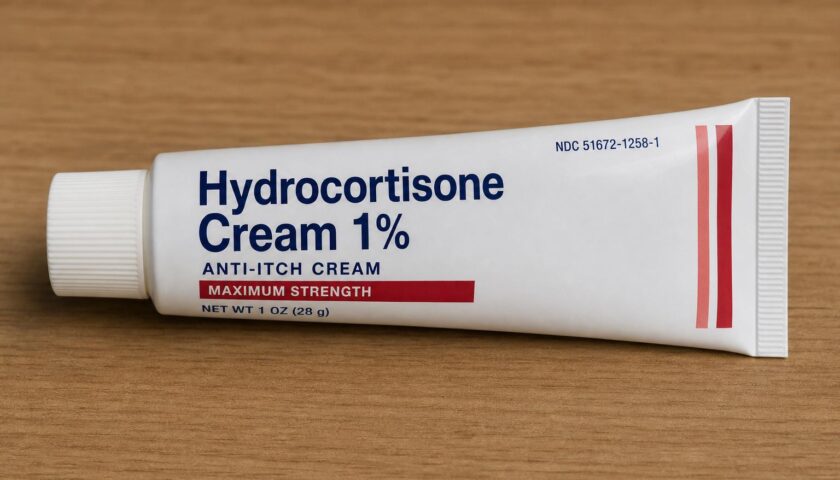
Hydrocortisone cream is a low-potency topical corticosteroid—a steroid medicine you apply to the skin to calm inflammation. Think redness, swelling, and that maddening itch that seems to get worse the more you scratch. In Canada, the most common strengths are 0.5% and 1%. Those numbers tell you how much active drug is in the formula; 1% hydrocortisone is twice as strong as 0.5%, but both are considered “mild” compared to prescription steroids.
How does it work? Hydrocortisone dials down inflammatory chemicals in the skin and reduces immune overactivity in that area. It doesn’t numb the skin like a topical anesthetic, and it won’t “cure” the underlying cause if the cause is an infection or an allergen you’re still touching. But when the problem is inflammatory—eczema, allergic contact dermatitis, an insect bite, a brush with poison ivy—it can be a small miracle. The goal is smart, targeted use for short periods, giving your skin room to recover.
Formulations matter. You’ll see hydrocortisone as a cream, ointment, or lotion. Creams absorb quickly and feel less greasy, which people often prefer for daytime and for moist or weepy rashes. Ointments are thicker and occlusive; they lock in moisture and deliver more drug into very dry, thickened skin (classic winter eczema on the shins, for example). Lotions are thinner and spread easily on hair-bearing areas like the scalp or beard region. Same active ingredient, different feel, slightly different performance.
Two additional details help you read labels confidently:
- Hydrocortisone vs. hydrocortisone acetate: Both are low-potency hydrocortisone. The acetate is a common stabilized form in creams. For everyday use, treat them as interchangeable.
- Class of potency: Hydrocortisone 1% sits at the “mild” end of steroid potency charts. In practical terms, this means it’s gentler and safer for short-term use on sensitive areas than medium or high-potency prescription steroids, but also less powerful for stubborn conditions.
When Hydrocortisone Cream Helps (And When It’s a Great First Step)
Wondering if hydrocortisone cream is appropriate for your situation? If the problem is inflammatory and not an active infection, there’s a good chance it can help. Here are common scenarios where Canadians reach for it—and why it makes sense.
Eczema and Atopic Dermatitis
Hydrocortisone cream is a go-to for mild eczema flares. It quiets redness, itch, and dry, scaly patches. For many people, a short course of 1% hydrocortisone twice daily for 5–7 days can turn a flare around, especially when paired with generous moisturizers. It’s especially useful on the face, neck, and skin folds where stronger steroids aren’t ideal. If you’re someone who gets winter flares thanks to forced-air heating in Calgary or Ottawa, keeping a tube in your drawer is like carrying a fire extinguisher for your skin.
Allergic Contact Dermatitis
Nickel from jewelry, fragranced lotions, harsh cleaning products, or even a new smartwatch band can trigger a red, itchy, bumpy rash. Step one is always stopping the exposure. Step two? Hydrocortisone cream can calm the reaction within a few days. For larger areas or severe reactions, speak with a pharmacist about whether a stronger steroid or a different approach is warranted.
Insect Bites and Stings
Canadian summers mean mosquitoes in Winnipeg, blackflies in cottage country, and no-see-ums that live up to their name. Hydrocortisone 1% takes down swelling and itch so you’re not scratching yourself to sleep. Pair it with a cold compress and an oral antihistamine at night if the itch is pulling focus.
Poison Ivy, Oak, and Sumac
If you garden in Ontario or hike in Quebec, you know these plants can turn a great day outside into a blistery, oozing mess. Hydrocortisone cream is useful for mild cases on small areas. The earlier you start, the better the control. Severe, widespread rashes (face swelling, extensive blistering, or involvement of the eyes or genitals) need medical assessment and typically a stronger prescription steroid.
Seborrheic Dermatitis (Face and Folds)
That red, flaky, itchy patch around the nose, in the eyebrows, or behind the ears often improves with a short course of hydrocortisone 1%. Because yeast plays a role, combine it with an antifungal shampoo or cream (e.g., ketoconazole shampoo used as a face wash a few times per week) for longer-term control. Keep steroid courses short—days, not weeks—especially on the face.
External Hemorrhoids (Mild Inflammation)
Some hydrocortisone-containing hemorrhoid creams are available in Canada in low strengths from the pharmacy, often sold “behind-the-counter” as Schedule III products. They can reduce swelling and itching around the anus caused by mild external hemorrhoids. If you see blood, have severe pain, or symptoms persist past a few days, see a clinician; stronger prescription formulations (e.g., hydrocortisone 2.5% or foam) or alternative treatments may be required.
Heat Rash and Irritant Rashes
From chafing on a hot Toronto commute to irritation under sports gear, hydrocortisone can settle inflamed skin when the trigger is gone. Keep in mind, friction rashes also love thick moisturizers and barrier creams. Address sweat and friction first; use the steroid second, for short stints.
When Not to Use Hydrocortisone Cream (Or When to Pause and Ask)
Steroids mute inflammation. That’s great when inflammation is the problem, but it’s a problem when the culprit is an infection or a steroid-sensitive condition. Here are clear no-go zones and red flags.
- Fungal infections: Ringworm, athlete’s foot, and some rashes in the groin are fungal. Hydrocortisone cream used alone can make them look better while the fungus spreads underneath (a classic “tinea incognito”). If you suspect fungus—ring-shaped lesions, scaling between toes, worsening with steroid—use an antifungal and ask a pharmacist about short-term combination strategies.
- Viral infections: Cold sores, shingles, and molluscum aren’t for steroid monotherapy. Hydrocortisone can increase viral replication in some settings and delay healing.
- Bacterial infections: Impetigo (honey-coloured crusts), cellulitis (hot, swollen, tender skin), or infected bug bites need antimicrobial care. A steroid alone can mask signs while the infection worsens.
- Acne, rosacea, and perioral dermatitis: Hydrocortisone can aggravate these or create a steroid-induced lookalike rash. If the rash is around the mouth with small bumps and papules, skip the steroid and talk to a clinician.
- Eyes and eyelids: Avoid regular use near the eyes. Chronic periorbital steroid use raises risks of glaucoma and cataracts. If eyelid dermatitis is severe, get medical advice for tailored options.
- Open wounds and broken skin: Don’t smear steroid on open cuts or surgical sites unless advised by a clinician.
- Diaper area: Using hydrocortisone under a diaper is essentially using it under occlusion, which supercharges absorption. Don’t use without professional guidance; there are safer diaper rash strategies unless eczema is formally diagnosed.
Uncertain? A Canadian pharmacist is an excellent first stop. Because hydrocortisone 0.5–1% is a Schedule III medication in most provinces, it’s sold in pharmacies where staff can quickly screen for red flags.
Access and Regulations in Canada: What’s Different Here
In Canada, topical hydrocortisone creams at 0.5% and 1% are typically classified as Schedule III under the National Association of Pharmacy Regulatory Authorities (NAPRA) schedules. Translation: you don’t need a prescription, but they’re kept within the pharmacy—available after a quick conversation with a pharmacist if needed. This ensures someone can catch situations where a steroid isn’t appropriate, help you choose cream vs. ointment, and advise on proper use.
Stronger topical steroids and certain hydrocortisone formulations (e.g., hydrocortisone valerate 0.2%) require a prescription. Rectal hydrocortisone products above 1% typically do as well. Each province adopts NAPRA schedules with minor differences, but the practical experience across Ontario, Alberta, British Columbia, Quebec, and the Atlantic provinces is similar: you can buy hydrocortisone cream without a doctor’s visit, but you’ll usually find it “behind-the-counter” at Shoppers Drug Mart, Rexall, London Drugs, Jean Coutu, Guardian, Costco Pharmacy, and independent pharmacies.
Expect to see multiple brands on the shelf or at the counter. You’ll often find:
- Generic/store brands labeled “Hydrocortisone Cream 0.5%” or “Hydrocortisone Cream 1%”
- Brand-name anti-itch creams that list hydrocortisone clearly on the front panel
Typical out-of-pocket prices range from about $7 to $18 CAD for a small tube (15–30 g), depending on brand, strength, and the city. House brands tend to be the best value. Over-the-counter products aren’t usually covered by provincial drug plans, but some private insurance plans or Health Spending Accounts reimburse them—keep your receipt and the box with the Drug Identification Number (DIN).
Choosing the Right Hydrocortisone Product: Strengths and Formulations
Picking the right tube is half the game. Here’s how to match product to problem.
0.5% vs 1% Hydrocortisone
Hydrocortisone 1% is the stronger OTC option and the default for most adult rashes: bug bites, small patches of eczema, mild contact dermatitis. Hydrocortisone 0.5% is gentler, useful for sensitive skin, very mild flares, or young children under guided use. If you’re unsure, 1% used appropriately for a short period is reasonable for most adults.
Cream vs Ointment vs Lotion
- Cream: Balanced choice. Good for weepy or moist rashes and daytime use because it absorbs faster.
- Ointment: Best for very dry, thickened areas (classic winter eczema on hands or shins). Occlusive base boosts penetration. Greasier, so often a night-time pick.
- Lotion: Thinner, easier to spread on large or hairy areas like the scalp border or chest hair.
If your skin is inflamed and bone-dry, you’ll likely do better with an ointment for a few nights. If you’re treating a faintly weepy poison ivy patch on the forearm, a cream will feel better.
Single-Ingredient vs Combination Products
Combination products that marry hydrocortisone with an antifungal or antibiotic exist, but many are prescription-only in Canada and not appropriate for self-selection. For athlete’s foot, jock itch, or ringworm, start with a dedicated antifungal and ask a pharmacist whether short, cautious hydrocortisone use is appropriate for severe itch. Avoid antibiotic-steroid combinations for minor rashes; they’re easy to misuse and can drive resistance or allergies.
How to Apply Hydrocortisone Cream the Right Way
Using too little does almost nothing. Using too much, too often, or for too long invites side effects. The sweet spot is precise: correct amount, proper frequency, limited duration, and smart pairing with moisturizers.
Step-by-Step Application
- Wash or sanitize your hands. Clean the affected skin gently with lukewarm water; pat dry.
- Measure the dose using the fingertip unit (FTU) method: squeeze a line of cream from the tip of your index finger to the first crease—that’s about 0.5 g for an adult. See the table below for how many FTUs different body areas need.
- Apply a thin, even film over the affected area. Not a dot here and there—cover the whole rash edge-to-edge.
- Use the minimum effective frequency. For most rashes, once or twice daily is enough. Evidence suggests once daily can be as effective as twice daily for mild steroids; twice daily is reasonable during the first 48–72 hours of a flare.
- Let it absorb for 10–15 minutes, then layer a moisturizer or barrier cream on top. Hydration supports healing and extends the time between steroid doses.
- Limit the course. For OTC hydrocortisone, aim for 5–7 days on body skin or 3–5 days on the face and folds. If you need longer, build in steroid-free days and speak with a clinician if you’re not seeing progress.
- Wash your hands again unless you’re treating them.
How Much to Use: Fingertip Unit (FTU) Guide
It’s easy to underdose and then decide the cream “doesn’t work.” Use FTUs to get it right. One adult FTU is roughly 0.5 g. Children need less because their surface area is smaller.
| Body Area | Adult: FTUs (approx.) | Child (5–10 years): FTUs (approx.) | Notes |
|---|---|---|---|
| Entire face and neck | 2.5 | 1–1.5 | Use cautiously near eyes; keep courses short. |
| One hand (front and back) + fingers | 1 | 0.5 | Common eczema site in winter. |
| One arm (wrist to shoulder) | 3 | 1.5–2 | Adjust for partial areas. |
| One foot (top and sole) + toes | 1.5 | 0.75–1 | Beware fungal infections on soles. |
| One leg (ankle to hip) | 6 | 3–4 | Dry shins often need ointment. |
| Trunk (front) | 7 | 3–4 | Use fewer FTUs for smaller patches. |
| Trunk (back, including buttocks) | 7 | 3–4 | Avoid using under occlusion unless advised. |
These are guides, not absolutes. For small rashes (say a cluster of bug bites), you may only need a fraction of an FTU. The key is thin, even coverage.
Layering With Moisturizers and Other Topicals
Hydration and barrier repair matter as much as the steroid. The rule of thumb:
- Clean skin → hydrocortisone cream → wait 10–15 minutes → moisturizer/barrier cream.
- If you use medicated creams like antifungals, follow the label or your pharmacist’s sequence guidance. Often it’s antifungal on active infection sites and hydrocortisone on the most inflamed edges, separated by time.
Using heavy occlusion (plastic wrap, tight dressings) increases absorption. Don’t occlude unless told to do so by a clinician. Remember that diapers count as occlusion.
How Fast Will You See Results?
Hydrocortisone cream acts quickly but not instantly. Timelines vary by condition:
- Insect bites: itch relief can start within 30–60 minutes; swelling improves over 24–48 hours.
- Eczema flare: expect noticeable change within 2–3 days, with steady improvement over a week.
- Allergic contact dermatitis: improvement typically starts within 1–2 days after removing the trigger.
- Poison ivy: you should see improvement within 2–4 days for mild cases; worsening or spread after 48–72 hours needs reassessment.
No improvement after 5–7 days? Stop and check in with a pharmacist or clinician. It might be the wrong diagnosis, the wrong potency, or an infection masquerading as dermatitis.
Safety, Side Effects, and Sensible Limits
Used correctly, over-the-counter hydrocortisone cream is safe for short courses. Problems tend to come from chronic misuse—too much, too long, on the wrong area.
Common, Usually Mild Side Effects
- Temporary stinging or burning on application (often fades within minutes)
- Dryness or mild irritation
- Folliculitis-like bumps with heavy ointments on oily areas
Less Common but Important
- Skin thinning (atrophy), stretch marks (striae), easy bruising, or visible blood vessels (telangiectasias) with prolonged, repeated use, especially on thin skin (face, groin, armpits)
- Lightening of skin (hypopigmentation), which can be more noticeable on darker skin tones
- Worsening of undiagnosed infections (fungal, bacterial, viral)
- Perioral dermatitis or steroid acne with inappropriate use on the face
Systemic Absorption: Rare but Real in Special Situations
While hydrocortisone 1% is mild, applying large amounts over big areas, using it under occlusion, or using it on infants and toddlers can increase absorption and very rarely suppress the body’s own steroid production (HPA axis). Stick to small areas and short durations unless a clinician is guiding you. This is also why eyelid use should be minimal and under advice—chronic use near the eyes has been linked to increased eye pressure and cataracts.
Pregnancy and Breastfeeding
When used as directed, low-potency topical hydrocortisone is generally considered safe in pregnancy and breastfeeding. Keep applications limited to affected areas, use the smallest amount that works, and avoid applying on the nipple/areola right before feeds. If you need frequent or long courses, ask your provider for a plan that minimizes risk.
Children and Older Adults
Children’s skin absorbs more medication relative to body size, and older adults have thinner skin. Use milder strengths, smaller amounts, and shorter courses. A pharmacist can help tailor dosing using FTUs for age and body area.
Combining Hydrocortisone With Other Treatments
Hydrocortisone cream isn’t a standalone saviour. It works best as part of a plan tailored to your skin problem.
Moisturizers and Barrier Repair
For eczema and dry dermatitis, moisturizing is non-negotiable. Use a fragrance-free, high-lipid moisturizer (cream or ointment) at least twice daily. Look for ceramides, petrolatum, glycerin, or urea. Hydrocortisone calms inflammation; moisturizers fix the barrier that keeps you from flaring again next week.
Antihistamines
Topical steroids and oral antihistamines do different jobs. The steroid reduces skin inflammation. Antihistamines reduce histamine-mediated itch (useful for hives) and can help you sleep while your skin heals. Non-drowsy options like cetirizine or loratadine are daytime-friendly. For nighttime itch that disrupts sleep, a short course of a sedating antihistamine may help—ask your pharmacist, especially if you take other medications.
Antifungals
If you suspect a fungal rash, treat the fungus first. Hydrocortisone can be added very briefly for severe inflammation if a clinician or pharmacist advises it. Don’t use steroid alone on suspected fungus.
Prescription Options When OTC Isn’t Enough
Stubborn eczema or recurrent dermatitis might need a step up. In Canada, prescription options include moderate-potency topical steroids for short bursts, or non-steroidal anti-inflammatories like topical calcineurin inhibitors (tacrolimus, pimecrolimus) for sensitive areas such as eyelids and skin folds. If you’re burning through tubes of hydrocortisone or living on repeat flares, it’s time for a professional plan—possibly patch testing for contact allergens or a referral to dermatology.
Special Canadian Scenarios: Practical Tips That Actually Help
Poison Ivy at the Cottage
Picture this: Saturday afternoon in Muskoka, you pull weeds with bare arms. By Monday, your forearms are red, blistery, and on fire. For small areas, wash the skin with soap and lukewarm water as soon as you realize exposure (urushiol oil sticks around), then apply hydrocortisone 1% twice daily. Calamine or astringent soaks can help dry blisters. If the rash spreads to your face or genitals, or you can’t sleep for the itch, you likely need a prescription steroid and medical care.
Winter Eczema in the Prairies
Dry, cold air and furnace heat are brutal on shins, hands, and cheeks. To prevent flares: run a humidifier, shorten hot showers, moisturize after bathing (within three minutes), and use hydrocortisone cream or ointment at the first hint of a patch—short, targeted, and followed by thick moisturizer. Cotton gloves overnight after applying ointment on cracked hands can be a game changer.
Bug Bites in the Maritimes
When blackflies show up in New Brunswick or Nova Scotia, treat the bites promptly. Clean the area, use hydrocortisone 1% twice daily for 2–3 days, and consider an oral antihistamine at night. If intense redness keeps expanding after 24–48 hours or you develop fever, you may be dealing with a secondary infection or a large local reaction—time to get checked.
Outdoor Athletes in BC
Cyclists and hikers around Vancouver often get friction and heat rashes. Reduce the trigger first: breathable fabrics, changing out of sweaty gear quickly, and a barrier cream on hot spots before activity. Hydrocortisone cream can calm down flare-ups but won’t prevent them without those habit changes.
Real-World Vignettes: What a Canadian Pharmacist Might Recommend
Case 1: Office Worker in Toronto With Eyelid Itch
Symptoms: Red, flaky eyelids and corners of the eyes after using a new eye cream. Plan: Stop the cosmetic immediately. Use a bland moisturizer (e.g., petroleum-based) and consider a very short course (2–3 days) of hydrocortisone 0.5% on the affected skin—sparingly and not near the lash line. If not better in 3–5 days or symptoms recur, see a clinician for assessment and possible patch testing. Long-term steroid on eyelids is a bad idea.
Case 2: Parent in Winnipeg With a Child’s Bug Bites
Symptoms: A 6-year-old with itchy clusters on legs after a park visit. Plan: Hydrocortisone 1% cream, very thin film twice daily for up to 3 days. Add a cold compress before bed and a child-appropriate oral antihistamine at night if needed. Keep nails short. If the child develops signs of infection (increasing redness, pus, fever), seek care. Avoid applying under a snug sleep sack that could act like occlusion.
Case 3: Hiker Near Gatineau With Poison Ivy Patch
Symptoms: 5 cm blistery rash on the forearm after a weekend hike. Plan: Wash the area with soap and lukewarm water as soon as possible. Hydrocortisone 1% cream twice daily for 3–7 days, calamine as needed, and avoid scratching. If streaking redness or expanding swelling develops, or other areas break out, reassess with a clinician.
Case 4: Retiree in Victoria With Stubborn Leg Itch
Symptoms: Persistent itchy patches on the shins every winter; hydrocortisone helps but always flares again. Plan: Emphasize barrier repair: shower less hot, moisturize twice daily (ointment or thick cream), and reserve hydrocortisone 1% for short flares only. Consider evaluating for venous stasis dermatitis or contact allergens if persistent. If the skin is very scaly and thick, an ointment base at night may work better than cream.
Cost, Coverage, and Smart Shopping in Canada
Hydrocortisone cream is relatively affordable, but prices vary. Here’s how to shop smart:
- Compare unit prices: House brands at Shoppers Drug Mart, Rexall, London Drugs, Jean Coutu, or Costco often cost less for the same strength and size.
- Choose the right size: A small tube (15 g) is usually enough for spot treatment. For recurring eczema, a 30 g tube may be more economical.
- Check the DIN: Legitimate Canadian products list a Drug Identification Number. Keep the box and receipt if you plan to submit for insurance or HSA reimbursement.
- Ask the pharmacist: Because hydrocortisone 0.5–1% is typically Schedule III, the tube might be behind the counter. A quick chat helps you pick the right formula and confirms you’re not missing red flags.
Provincial drug plans like BC PharmaCare, OHIP+, or Alberta Health typically do not cover over-the-counter hydrocortisone creams. Private plans sometimes do—especially if a pharmacist or prescriber’s recommendation is documented. Keep your paperwork.
Storage, Expiry, and Travel Tips
Store hydrocortisone cream at room temperature (generally 15–30°C), away from direct heat. Don’t leave it in a hot car in August or in a freezing trunk in January. Cap it tightly after each use.
Most tubes are good for months to years unopened, and usually several months after opening. If the cream separates, smells off, or has changed in texture, replace it. Traveling? A small tube fits easily in a liquids bag for air travel; keep the original packaging if you’re crossing borders to avoid confusion.
Myths, Mistakes, and How to Avoid Them
- “Steroids are dangerous—never use them.” Reality: Over-the-counter hydrocortisone, used properly for short periods, is safe and effective. Avoiding it altogether can lead to sleepless nights of scratching and worse eczema damage.
- “More is better.” Using too much, too often, or for too long invites side effects. The right dose is thin, even, and time-limited.
- “It helps everything red and itchy.” Not true. Fungal infections, acne, and rosacea need different strategies. If a “rash” worsens on hydrocortisone, stop and reassess.
- “I should mix hydrocortisone into my moisturizer.” Don’t. You’ll dilute it unpredictably and spread it where you don’t need it. Apply medications and moisturizers as separate layers.
- “It didn’t work in one day—must be useless.” Give it a few days, and make sure you’ve removed the trigger, are using enough, and are moisturizing properly.
Alternatives if Hydrocortisone Isn’t the Right Fit
Sometimes you need a different tool. Options include:
- Non-steroidal anti-itch topicals: Pramoxine or menthol-containing lotions can provide short-term itch relief without steroids. Good for sensitive areas when inflammation is mild.
- Prescription non-steroid creams: Topical calcineurin inhibitors (tacrolimus, pimecrolimus) are helpful for chronic or sensitive-area dermatitis where steroids aren’t ideal.
- Moderate-potency prescription steroids: For thicker plaques or stubborn flares, your clinician may prescribe a stronger steroid for a short course.
- Allergen testing and avoidance: If “mystery rashes” keep coming back, patch testing for contact allergens (like fragrances, preservatives, or metals) can be a game changer.
- Lifestyle and environment fixes: Humidifiers in winter, fragrance-free detergents, gentle cleansers, UV protection, and breathable clothing all matter more than most people think.
Quick Reference: Do’s and Don’ts for Hydrocortisone Cream
- Do use hydrocortisone cream for short courses on inflammatory rashes like eczema flares, allergic contact dermatitis, bug bites, and mild poison ivy.
- Do choose the right formulation: cream for moist rashes, ointment for dry plaques, lotion for hairy areas.
- Do measure with FTUs and apply a thin, even layer once or twice daily.
- Do pair with moisturizers and remove triggers (nickel, fragrance, plants, friction).
- Don’t use hydrocortisone on fungal, bacterial, or viral skin infections without guidance.
- Don’t apply near the eyes or under a diaper for more than a couple of days without professional advice.
- Don’t keep using it for weeks because the tube is still half full. Build in breaks and reassess.
- Don’t assume every red, itchy patch is the same. If it’s not improving, it might be something else.
Frequently Asked Questions About Hydrocortisone Cream in Canada
Is hydrocortisone cream over the counter in Canada?
Yes. Hydrocortisone cream 0.5% and 1% are generally non-prescription (Schedule III), usually kept behind the counter at pharmacies. You can buy them without a doctor’s note, and a pharmacist can help you choose and use them properly. Stronger hydrocortisone products and many combinations require a prescription.
What’s the difference between hydrocortisone 0.5% and 1%?
Hydrocortisone 1% is about twice as strong as 0.5% and is the default for many adult inflammatory rashes. Hydrocortisone 0.5% is milder and may suit very sensitive skin or guided use in young children. Both are considered low-potency topical steroids.
How long can I use hydrocortisone cream?
For most over-the-counter uses, aim for 3–7 days. On the face and skin folds, keep it brief—often 2–3 days, then reassess. If you need longer courses or frequent repeats, speak with a clinician about a long-term plan.
Can I use hydrocortisone cream on my face?
Yes, but carefully. The face absorbs more steroid and is prone to side effects. Use the lowest effective strength (often 0.5%–1%), very thinly, and for short durations. Avoid regular use near the eyes. If you’re not improving in a few days, pause and seek advice.
Does hydrocortisone cream help with sunburn?
It’s not first-line. Cool compresses, oral pain relievers, and moisturizers like aloe are the mainstays. For very inflamed small areas, a short, cautious course of hydrocortisone 1% may reduce redness and itch. If you’re blistering or unwell, seek medical care.
Is hydrocortisone cream safe in pregnancy and breastfeeding?
Low-potency topical hydrocortisone used as directed on small areas is generally considered safe. Use the smallest amount for the shortest time. Avoid applying to the nipple/areola before feeding. If you need frequent or large-area treatment, get medical guidance.
Can I use hydrocortisone cream for hemorrhoids?
Some low-strength hydrocortisone hemorrhoid creams are available without prescription from pharmacies in Canada. They can reduce mild external itching and swelling. If you have bleeding, severe pain, or symptoms that last more than a few days, see a clinician. Prescription-strength rectal products may be needed.
What’s the right order: hydrocortisone or moisturizer first?
Apply hydrocortisone first on clean, dry skin. Wait 10–15 minutes, then apply your moisturizer or barrier cream. This sequence helps the medication absorb and the moisturizer seal it in.
Can hydrocortisone cream make a rash worse?
Yes—if the rash is due to a fungal, bacterial, or viral infection, or if it’s acne, rosacea, or perioral dermatitis. If your rash spreads, changes character, or doesn’t improve within a week, stop and get advice.
Do I need to cover it with a bandage?
Usually no. Occlusive dressings can increase absorption and side effects. Use them only if advised by a clinician for specific thick plaques. Remember: diapers act like occlusion.
Is there a risk of addiction or withdrawal with hydrocortisone cream?
There’s no “addiction,” but the skin can flare when you stop if the underlying condition isn’t controlled. This is rebound inflammation, not withdrawal in the traditional sense. The solution is proper diagnosis, trigger management, moisturization, and using the right potency for the right duration.
Can I use hydrocortisone cream with other skincare like retinoids or acids?
Be careful. Retinoids, AHAs, and BHAs can irritate skin. If you’re treating a rash, pause harsh actives until your skin calms. Restart slowly after the dermatitis resolves. If you need both for medical reasons, separate them by time and ask for personalized advice.
Why do Canadian pharmacies keep hydrocortisone behind the counter?
Because it’s a Schedule III medication in most provinces. The intent is to ensure quick pharmacist assessment, help with product choice, and reduce misuse on infections or sensitive areas.
How much should I use at a time?
Use the fingertip unit method: a line from fingertip to first crease equals about 0.5 g for an adult. Refer to the table above for how many FTUs different body areas need. For small rashes, a fraction of an FTU is enough. Aim for thin, even coverage.
Does hydrocortisone cream expire?
Yes. Check the expiry date on the tube or box. Discard if it looks separated, smells odd, or is past its expiry. Store at room temperature, away from heat and direct sunlight.
What if hydrocortisone cream isn’t working?
First, make sure you’ve removed triggers and are using enough, often enough, for long enough (typically 3–7 days). If there’s still no improvement, or it’s getting worse, you might need a different diagnosis or a stronger prescription. A pharmacist or clinician can help you pivot.
The Bottom Line
Hydrocortisone cream is a reliable, low-potency anti-inflammatory that belongs in most Canadian households. Use it when the problem is inflammatory, apply the right amount with FTUs, keep courses short, and pair it with moisturizers and smart habits. Know the red flags: suspected infections, eye involvement, diapered skin, or rashes that don’t budge within a week. When in doubt, your local pharmacist is an excellent ally—especially in Canada, where hydrocortisone cream is intentionally kept within reach, but not without advice.