
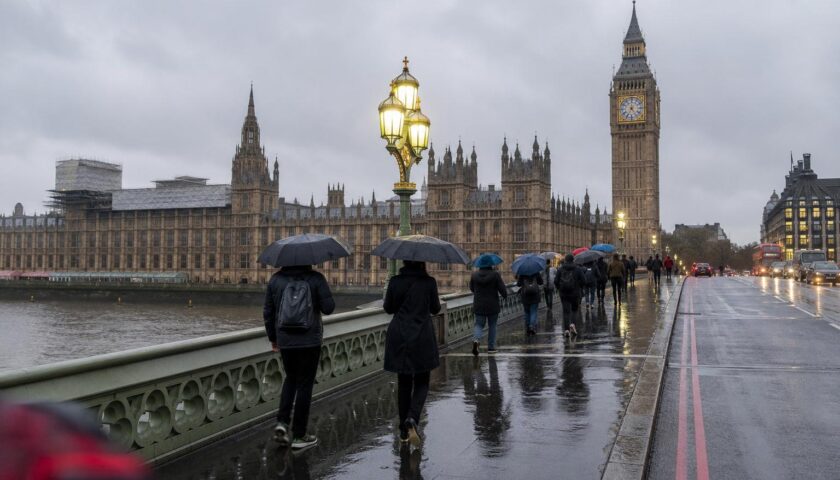
If you searched “weather london” and felt a twinge of doubt—Ontario or England?—you’re not alone. Canadians look up London weather for two very different places: a Southwestern Ontario city known for lake-effect snow and humid summers, and the UK capital with famously changeable drizzle, mild winters, and surprise heatwaves. This guide breaks down both. You’ll learn how each London’s climate really works (beyond the stereotypes), what to expect month by month, how to plan your routine or travels around local weather patterns, and where to get reliable forecasts in Canada and the UK. Whether you’re moving to London, Ontario, booking a summer in London, England, or just trying to decode humidex and wind chill, you’ll find practical, Canada-informed advice below.
Which “London” do you mean? How search intent shapes the forecast you get
Type “weather london” without context and your phone might deliver the wrong city’s forecast. Google, Apple Weather, and many apps try to guess what you want based on your location and history, but they don’t always get it right. That matters if you’re deciding between wearing snow boots in Ontario or packing a light shell for a rainy UK afternoon.
To steer search results, use precision. In Canada, add provinces and countries: “weather London Ontario” or “weather in London England.” When you’re in Toronto or Ottawa, many apps assume you mean London, ON. When you’re abroad or planning travel, they might switch to London, UK. If you want to compare both at once—say you’re leaving Pearson for Heathrow tonight—search each city explicitly and save them as favourites in your app. This small step avoids packing mistakes and missed connections.
And if you want fast, official sources: Environment and Climate Change Canada (ECCC) for London, Ontario and the UK Met Office for London, England. Both are gold standards for warnings and long-term climate normals.
Two Londons at a glance: how their climates really differ
Think of London, Ontario and London, England as cousins raised by different oceans. London, ON sits inland but within reach of Lake Huron’s snow machine; London, UK lives under the Atlantic’s mild, maritime influence. The result: the Canadian London swings harder—cold snaps, big summer humidity, sudden snow squalls—while the British London stays milder year-round yet breezier, with light rain on many days and some intense downpours in summer.
Here’s the broad picture Canadians can bank on:
- London, Ontario: Humid continental climate. Winters can be cold with frequent snow; summer is warm to hot and often muggy. Spring and fall swing quickly. Lake-effect snow is a signature hazard, especially west and north of the city.
- London, UK: Temperate maritime climate. Winters are cool and damp, summers warm but not extreme most years. Rain is frequent but often light or showery. Sunshine is prized but not rare. Heatwaves and intense thunderstorms have become more common in the last decade.
They share one thing: both are highly livable when you plan around their quirks. The rest of this guide shows you how.
London, Ontario weather—how it works, what to expect, and how to prepare
Climate overview: humid continental with a lake-effect twist
London, Ontario sits roughly halfway between Lake Huron and Lake Erie. In winter, cold air flowing over the relatively warmer waters of Lake Huron picks up moisture and dumps it as snow when winds align, producing classic “snow squalls.” A day can begin calm and end with near-zero visibility and 10+ cm on the ground in a few hours. That same geography keeps summers humid; lakes and regional moisture feed thunderstorms and sticky nights.
Typical winter daytime highs hover near -2°C to 0°C in January, with nights that commonly dip below -10°C. The season brings frequent freeze-thaw cycles and episodes of freezing rain. Summer afternoons often reach the mid-20s (°C) in July and August, with humidex values pushing conditions into the 30s. Late spring to early fall is thunderstorm season; a few storms each year can bring damaging winds, hail, or torrential rain.
Season by season in London, ON
Winter (December to February)
Expect real winter. Daytime temperatures often sit a little below freezing, with cold snaps dropping lower. Snowfall is steady across the season, and lake-effect bands can quickly escalate from flurries to whiteout. Roads that were dry in the morning can become treacherous by lunch if squalls set up along Highway 402 or the 401 near Strathroy and Woodstock. Freezing rain events happen some winters—enough to glaze sidewalks, weigh down tree branches, and prompt power outage preparedness.
On the upside, a well-dressed walk along the Thames Valley Parkway on a bright, calm day can be spectacular. London’s winters produce plenty of blue-sky breaks between systems, and you’ll learn to treasure them.
Spring (March to May)
Spring in London, Ontario is a shapeshifter. March still feels wintry, with slush and the occasional late snowstorm. By April, afternoons trend milder, but rain and big temperature swings make layering essential. May brings the first reliably warm weekends. Watch for high rivers; snowmelt plus spring rain can swell the Thames and its tributaries. Thunderstorms begin to appear more frequently as the ground warms and systems tap Gulf moisture.
Summer (June to August)
Summer is warm, sometimes hot, and typically humid. Afternoons often top 25°C; several stretches each year climb into the low 30s. Humidex—Canada’s measure combining heat and humidity—frequently pushes perceived temperatures into the mid to high 30s. Londoners see a few multi-day heat events each summer; local public health units issue heat warnings when overnight relief is limited. Thunderstorms pop up with frontal passages and on steamy afternoons. Most are garden-variety, but a handful each season can be severe, with strong gusts, heavy rain, and hail.
Fall (September to November)
September is one of the best months: warm days, cooler nights, and lower humidity. By October, you’ll feel a crispness in the morning; frost can arrive before Halloween. November turns serious—more wind, more rain, and the first wet snow. Lake-effect season usually wakes up by late November if wind direction sets up right. It’s the moment to swap tires if you haven’t already and give your furnace a test run.
Monthly “typical” temperatures for London, Ontario
Exact numbers vary year to year, but these are reasonable monthly averages that will keep your expectations realistic. Use them for planning, then check current forecasts for the final say.
| Month | Avg High (°C) | Avg Low (°C) | What it feels like |
|---|---|---|---|
| January | -1 | -8 | Cold, frequent snow; wind chill common |
| February | 0 | -7 | Winter holds, gradual brightening |
| March | 5 | -3 | Mixed slush, sun, surprise snow |
| April | 12 | 2 | Layer up; rain more than snow |
| May | 19 | 8 | Green-up, first warm spells |
| June | 24 | 13 | Comfortable, storms possible |
| July | 26 | 15 | Warm to hot, humidex near 30s |
| August | 25 | 14 | Similar to July; muggy nights |
| September | 21 | 10 | Goldilocks weather, lower humidity |
| October | 14 | 5 | Crisp, colourful, some rain |
| November | 7 | 0 | Raw, breezy, first snow bursts |
| December | 1 | -6 | Return to regular snow/cold |
Snowfall totals swing from modest (in quieter winters) to 200+ cm when lake-effect bands are active. Driving conditions can deteriorate quickly during snow squall warnings; treat them differently than a regular “chance of flurries.”
Weather hazards in London, ON—and what to do about them
Snow squalls: When cold northwest winds blow over Lake Huron, narrow but intense snow bands can form and park over areas west and north of London. Visibility can drop from clear to whiteout in a minute; localized totals pile up while areas 10 km away stay manageable. If you commute via Highway 402, 401, or 4/22/23, you know the drill. When Environment and Climate Change Canada issues a Snow Squall Watch or Warning, consider delaying travel, taking alternate routes, or timing trips for lulls. Keep food, water, warm clothing, a shovel, and traction aids in the car December through March.
Freezing rain: Classic setups involve milder air aloft sliding over a shallow surface cold layer. Ice can accrete on roads, hydro lines, and trees. Stay off the roads if ice begins to glaze and heed Special Weather Statements or Freezing Rain Warnings. Power outages are most likely when wind coincides with ice load—charge devices in advance and have flashlights ready.
Thunderstorms: Severe storms usually come in waves, tied to cold fronts or outflow boundaries on hot days. Gust fronts can be more dangerous than visible rain, especially on the highway. When a Severe Thunderstorm Watch or Warning pops up, secure patio furniture, park away from large trees, and avoid standing water on roads.
Heat waves: Public Health units issue heat warnings when daytime highs and overnight lows combine to create health risks. Homes without central AC can get dangerously hot after several days. Use fans wisely (air movement helps sweat evaporate), prioritize cool sleep areas, and check on neighbours. Shopping centres, libraries, and community centres often act as cooling spaces.
Daily life in London, ON: commuting, home, and routine adjustments
Driving: Ontario doesn’t require winter tires province-wide, but they’re strongly recommended for London’s winter—especially if you travel the 401/402 corridors. Many insurers offer a discount for installing winter tires; check your policy. Plan winter drives using Ontario 511 for road conditions and webcams. Keep washer fluid rated for -40°C, and top up more often than you think; salty spray chews through it on storm days.
Transit and walking: Snowfalls can slow bus routes and make some sidewalks slick; local bylaws require timely snow clearing on properties, so residential sidewalks improve within a day or two after major events. Footwear with aggressive tread (or pull-on traction cleats) and a walking pole make a real difference on freeze-thaw weeks.
Home life: Swap filters quarterly on forced-air systems, and test your furnace and CO detectors in the fall. Spring gutters need a once-over—late winter ice can wedge debris in awkward places. Summer humidity pushes many homes to run dehumidifiers or rely on AC; smart thermostats help manage time-of-use electricity rates in Ontario. If you’re exploring heat pumps, check current federal or provincial incentives—programs change, but low-interest loans have supported upgrades even when grant streams pause.
Outdoors and recreation: timing your plans around London, ON weather
Runners and cyclists love the Thames Valley Parkway. In summer, get out early to beat humidity and afternoon storms; in winter, watch for black ice and plow schedules after squalls. Golfers find the shoulder seasons surprisingly generous—April and October can deliver perfect 15°C days if the wind co-operates. In winter, Boler Mountain makes the most of cold nights for snowmaking; if a January thaw arrives, don’t write off February—conditions often rebound quickly after a clear cold front.
For cottage weekends north toward Lake Huron, check marine forecasts: strong onshore flows that trigger lake-effect snow in winter also drive choppy conditions in summer. Beach days in Grand Bend are glorious under north or light winds; stiff southwest breezes throw sand and build waves. A quick scan of wind direction and gust forecasts will save a disappointing drive.
Allergies, air quality, and seasonal wellness
Tree pollen hits early to mid-spring; grass peaks in late spring to early summer; ragweed often runs mid-August to first frost. Use the Air Quality Health Index (AQHI) and pollen forecasts from Canadian sources to time outdoor workouts and line-dry laundry. London isn’t a wildfire hotspot, but smoke from distant fires can drift in during summer; on smoky days, close windows, run HEPA filtration if available, and keep strenuous exercise shorter or indoors.
What to wear in London, Ontario: a year-round checklist
- Winter: insulated parka, windproof mitts, toque, thermal base layers, wool socks, and waterproof boots with good tread. Add traction cleats for icy weeks.
- Shoulder seasons: breathable rain shell, mid-layer fleece, and waterproof shoes. You’ll put these in and out of rotation constantly from March to May and again in October–November.
- Summer: light fabrics that wick, sun hat, sunglasses, and a small umbrella or packable rain jacket. Humidity makes cotton feel clingy; synthetics or merino help.
- Car kit: scraper, brush, shovel, blanket, booster cables, phone charger, snacks, and water between December and March.
Climate trends in Southwestern Ontario
Observations across Ontario show warmer winters on average, more days with heavy rain, and an uptick in short-duration extremes. For London that means more freeze-thaw cycles, occasional rain-on-snow events that test drainage, and hotter summer periods than a generation ago. Planning—better eavestroughs, sump maintenance, shade trees, efficient cooling—pays off. The old rule “it always cools off at night” doesn’t hold during multi-day heat events anymore; prioritize nighttime cooling strategies.
London, UK weather—what Canadians should know before they visit or relocate
Climate overview: temperate maritime with changeable skies
London, England owes its mild climate to the Atlantic Ocean and prevailing westerlies. You’ll find cool winters that rarely plunge below -5°C in central areas, and summers that—until recent years—typically sat in the low 20s (°C). The stereotype says “constant rain,” but drizzle and light showers are more accurate most days. That said, climate change has introduced more frequent spikes: hotter heatwaves (above 30°C, sometimes much higher), drier spring spells, and occasional intense thunderstorms delivering short-burst downpours.
Plan for variability. One day can include sun, showers, and a breezy cooldown. Wind matters: a light jacket to cut the breeze makes a big difference on 15°C days. Sunshine hours are precious in winter (it’s dark early), generous in summer (long evenings), and treasured year-round when they show up.
Season by season in London, UK
Winter (December to February)
Most days feel cool and damp rather than bitterly cold. Daytime highs sit near 8°C; nights hover a few degrees above freezing. Snow happens, but rarely lasts long in central London. Ice can form after clear nights; sidewalks may be slick early morning but thaw by midday. Fog has a reputation here—modern air quality has improved dramatically since the infamous smogs, but misty, low-visibility mornings still appear, especially near the Thames.
Spring (March to May)
Spring arrives earlier than in most of Canada. Blossom trees pop by March, and 12–18°C afternoons become common by April and May. Showers punctuate most weeks; bring a compact umbrella or a reliable hooded shell. Tourists often overdress in May—light layers are better than bulky jackets you’ll end up carrying around the Tube.
Summer (June to August)
Summer is mostly pleasant, 21–25°C, with sun breaks and scattered showers. Heatwaves sometimes push temperatures into the low to mid-30s. Air conditioning isn’t universal in homes and some transit sections; on very hot stretches, sleep can suffer. When the Met Office issues heat alerts, pay attention: seek shade in parks, hydrate, and rearrange sightseeing to mornings and evenings. Late-day thunderstorms can be dramatic but brief.
Fall (September to November)
September feels like extended summer—still comfortable for patios and river walks. By October, highs near 16°C and chop-and-change showers return. November dims quickly; daylight shortens, and breezy, cool days encourage pub stops and museums. Pack a warm layer even if your forecast looks mild; wind and drizzle can bite.
Monthly “typical” temperatures for London, UK
Again, these are ballpark figures that match the lived reality for most visitors and residents. They’re a practical baseline for packing and planning.
| Month | Avg High (°C) | Avg Low (°C) | Rain pattern |
|---|---|---|---|
| January | 8 | 2 | Light rain/drizzle days common |
| February | 9 | 2 | Similar to Jan; occasional frost |
| March | 12 | 4 | Showers and brighter spells |
| April | 15 | 6 | “April showers”; longer days |
| May | 18 | 9 | Mix of sun and showers |
| June | 21 | 12 | Comfortable; brief downpours possible |
| July | 23 | 14 | Mostly dry spells; pop-up storms |
| August | 23 | 14 | Warm; thunderstorms some years |
| September | 20 | 12 | Settled; rain picks up late month |
| October | 16 | 9 | Breezier, more frequent showers |
| November | 11 | 5 | Cool, damp, overcast days common |
| December | 8 | 3 | Light rain, occasional frost |
Rainfall totals are modest by Canadian west coast standards—think roughly 600–700 mm per year, often spread over many light-to-moderate events. Take a hooded jacket over a flimsy umbrella when it’s breezy; wind turns many umbrellas inside-out on exposed streets and bridges.
Daylight, wind, and the feel of a UK forecast
Daylight swings are dramatic. In December, sunset can arrive before you’ve finished afternoon tea; in June, lingering twilight invites late patio dinners near Covent Garden. Wind direction shapes comfort: a damp westerly is typical; a cold northeasterly can make a mild forecast feel raw. If you’re planning a lot of walking or Thames-side cycling, scan gust speeds in your forecast; 30–40 km/h gusts change your clothing choices more than a 2°C temperature difference.
Practical packing for Canadians heading to London, England
- Footwear: comfortable, water-resistant shoes for cobblestones and puddles; sneakers that dry overnight are gold.
- Outer layers: a breathable, light rain shell with a hood; a compact umbrella for drizzle-only days.
- Base layers: thin merino or synthetic tops for spring and fall; easy to shed on the Tube or in museums.
- Summer: pack a sun hat and sunscreen; on heatwave alerts, plan siestas or indoor visits mid-afternoon.
Note that some historic buildings and small hotels lack strong air conditioning. If a heatwave arrives, pivot: morning gardens, midday museums, evening West End. Keep a water bottle handy and use fountains—London has many refill points.
Events and the weather: timing matters
Wimbledon and showers have a long-running relationship; your odds of a rain delay are non-zero, though the Centre Court roof has reduced disruptions. Notting Hill Carnival can be hot and crowded—dress light and hydrate. Christmas markets thrive on crisp, dry evenings; you’ll do fine with a warm layer and gloves even if the temperature doesn’t look “cold” to a Canadian.
UK weather warnings and travel smoothers
The UK Met Office issues yellow, amber, and red warnings for impacts from rain, wind, snow, ice, and heat. Check their app if you’re planning day trips to coastal areas, where wind and surf can be much stronger than in central London. On very hot days, parts of the rail network reduce speeds to protect tracks, and the Tube can become stifling—allow extra time between meetings or reservations.
Comparing the two Londons side by side
Here’s the simple truth behind “weather london” searches: a January week in London, Ontario might demand a parka and snow boots, while a January week in London, UK can feel like a rainy Vancouver-lite. In July, London, ON often calls for AC and bug spray; London, UK leans patio-perfect with a watchful eye on heatwave alerts. The practical move? Anchor your plans to local realities, not the name on the map.
How to read a forecast like a pro—Canada and UK editions
Know the numbers that matter
- Probability of precipitation (POP): A 60% chance of rain means that, under similar conditions, measurable rain is expected in 60 out of 100 scenarios for your region. It doesn’t mean 60% of the day. For London, UK, that might be several light showers; for London, ON in summer, it could mean a thunderstorm somewhere in the area.
- Rainfall amount: Millimetres tell you impact. 1–3 mm is light and often intermittent. 10–20 mm in summer can be a thunderstorm soaker. Above 25–30 mm in a short period raises urban flooding concerns.
- Wind: Gusts matter more than steady wind for comfort and safety. A 20 km/h breeze with 40 km/h gusts flips umbrellas and knocks small branches down; higher gusts can bring power outages.
- Dew point vs humidity: Dew point tracks how muggy it feels. Above ~18°C, many Canadians feel sticky; above 21°C, it’s oppressive. London, ON hits these levels in summer; London, UK rarely does, except during heatwaves.
- Humidex and wind chill: Canadian staples. Humidex translates heat + humidity into a perceived value; wind chill does the same for cold + wind. They help you dress and plan effort outdoors in London, ON. The UK uses “feels like” temperature, which also accounts for wind and humidity.
- UV index: Even in London, UK, clear May–July days can deliver high UV. In London, ON, sun strength can sneak up on you as early as late April.
Pick reliable sources and use their strengths
- London, Ontario (Canada): Environment and Climate Change Canada’s website or WeatherCAN app for official warnings; The Weather Network and your municipality’s channels for local context; Ontario 511 for winter highway conditions and closures.
- London, UK: UK Met Office app for authoritative guidance; Transport for London alerts for heat, wind, and service changes; National Rail for weather-related adjustments outside the city.
Want an easy rule? For day-to-day, use your favourite app; for anything you’d base safety, travel, or money on—storms, heatwaves, flights—double-check with the official source.
Build a simple weather routine
- Scan the next 48 hours in the evening. Circle the peaks: biggest rain, wind, heat, or cold.
- Check warnings in the morning. London, ON commuters should refresh road conditions on snow squall days; London, UK travelers should glance at wind gusts and rain timing to pick footwear and outerwear.
- Recheck a few hours before departures or outdoor plans. Short-range forecasts are the most accurate; radar and satellite loops tell you whether “that shower” will actually hit your neighbourhood.
Practical scenarios Canadians ask about “weather london”
Moving to London, Ontario: get your weather house in order
Before your first winter, service your furnace and chimney (if you have one), stock ice melt that works in sub-zero temperatures, and choose a snow removal plan: DIY with a reliable snowblower, a small contractor, or a shared service with neighbours. Sidewalk clearing rules exist and are enforced—check the City of London’s current guidance each season so you’re not caught out after a storm. For basement peace of mind, test your sump pump and consider a battery backup. If you’re on a tree-lined street, trim branches clear of your roof before early winter ice or spring windstorms.
Car-wise, winter tires transform how your vehicle handles at or below 7°C; it’s not just about snow depth. Keep your washer fluid and wipers winter-ready, and program Ontario 511 into your phone. For electricity, smart thermostats and time-of-use scheduling help reduce bills; in the summer, ceiling fans plus night ventilation can limit AC hours on modestly warm days.
Driving Toronto–London in winter: timing beats bravado
Weather along the 401 can vary by the exit. If snow squalls line up off Lake Huron, conditions often deteriorate west of Woodstock and toward Ingersoll. Leave earlier in the day; visibility and plowing generally trend better before night. Use ONroute stops for breaks and to check updated forecasts. If a Snow Squall Warning covers your route and webcams show whiteout conditions, wait it out—closures and multi-vehicle collisions in squalls are a recurring pattern for a reason.
Flying YYZ to LHR: weather on both ends
In peak Canadian winter, factor in de-icing time at Pearson; don’t panic if boarding begins on time but pushback stalls. Crews wait for a window between snow bands. Fog in London, UK can trigger low-visibility procedures; this slows operations more than it cancels them. In summer, UK heatwaves stress rail links more than flights; still, check Heathrow guidance if temperatures soar. Arriving sharply early in the morning? The daylight contrast between Canada in winter and the UK’s late sunrises can make jet lag feel heavier; get sunlight as soon as you can and go for a short walk if the weather cooperates.
Side-by-side packing: London, ON vs London, UK
- Winter week—London, ON: insulated boots, parka, mitts, toque, thermal layers, traction cleats, lip balm, hand warmers. Add car kit if you’ll drive.
- Winter week—London, UK: waterproof shoes, warm but not bulky coat, scarf, gloves, compact umbrella, light hat for wind, quick-dry socks.
- Summer week—London, ON: light clothing, breathable socks, sun hat, sunglasses, bug spray for evenings, a compact rain jacket, reusable water bottle.
- Summer week—London, UK: light layers, rain shell with hood, comfortable walking shoes, sun protection, small umbrella for calm showers.
Common myths about “weather london”
“It rains all the time in London.” Not quite. London, UK has many days with some rain, but often light or brief. You’ll get a lot of walkable, enjoyable hours between showers. The trick is taking a jacket, not canceling your plans.
“London, Ontario is buried in snow all winter.” Not everywhere, not every week. Snow squalls are intense but localized; a storm that keeps north London shovelling may barely graze the south end. Freeze-thaw cycles also trim snowpack between events. The real story is variability—and the need to check forecasts daily in winter.
“Humidex is hype.” Ask anyone who’s moved from the Prairies. Twenty-eight degrees with a 22°C dew point feels heavier than a dry 32°C. Hydrate more than you think and scale back midday intensity.
Cost and comfort: how weather affects your wallet
Heating and cooling: In London, ON, your winter natural gas or electric heating load is the big-ticket weather cost. In summer, AC run time spikes during humid spells. Smart thermostats and sealing drafts cut both. If you’re renting a drafty place off-campus near Western or Fanshawe, a simple window-sealing kit and a cheap hygrometer to monitor indoor humidity can transform comfort for little money.
Clothing and footwear: Good shoes for wet days in the UK or snow in Ontario save money and feet. Skip fashion-first for daily wear; choose waterproof or water-resistant materials that breathe. In Ontario winters, a quality parka and gloves pay for themselves in comfort; in the UK, a reliable shell that survives gusts outvalues a designer umbrella that flips at the first crosswind.
Insurance and maintenance: Ice dams, blown shingles, and flooded basements happen more often in volatile shoulder seasons. Routine checks—roof, eaves, grading, sump—cost less than claims. If thunderstorms with hail are in the forecast, move the car under cover and bring in patio cushions. Small acts, big savings.
Weather and wellness: simple habits for both Londons
Sleep: In London, ON heatwaves, pre-cool your bedroom with AC and close blinds during the day. In London, UK, if your lodging lacks AC, open windows at night when safe, use a fan to move air, and prioritize a cool shower before bed during hot spells.
Exercise: Winter in Ontario? Embrace layers and shorten intervals outside on windy days. Summer in either city? Early mornings beat the heat. If the AQHI or air quality advisories rise due to wildfire smoke or urban pollution, move workouts indoors.
Mood: Daylight helps. London, UK’s winter light can feel thin to Canadians used to bright snow. Seek parks on brighter days, and consider a light therapy routine if dark weeks weigh on you. In Ontario, getting outside during short winter sun breaks is underrated medicine.
Local etiquette shaped by weather
London, Ontario: Clearing your sidewalk in good time after snow isn’t just a bylaw checkbox—it’s neighbourly. Drivers leave extra space in squalls; pedestrians assume crossings may be slick. A friendly nod to the plow crews at 3 a.m. is earned.
London, UK: Umbrella manners matter. On narrow pavements, tilt and tuck to avoid poking eyes; better yet, use a hooded jacket when it’s gusty. Queue calmly when showers slow boarding on buses and the Tube; you’ll get there.
Choosing your “best time to go” based on your goals
For sightseeing in London, UK with lighter crowds and comfortable weather, late April to June and September to early October are sweet spots. Days are long enough to stretch plans, and frequent but light showers won’t ruin them. If you crave festivals and long evenings, July is beautiful, but book accommodations with fans or AC for potential heatwaves.
For moving or settling into London, ON, aim for late August to mid-September: stable weather, cool nights, and time to test your home systems before winter. If you’re visiting family and want snow without deep cold, early February often delivers sun-and-snow postcard days amid the storms—but be flexible with travel days.
If you only need “weather london today”
For the quickest, most reliable snapshot: open the WeatherCAN app and add “London, Ontario” for the Canadian city; open the Met Office app and add “London” for the UK capital. Check current conditions, hourly precipitation, wind gusts, and any active alerts. In summer, look at radar loops; in winter, check for snow squall statements before you drive. That’s your 60-second plan.
Frequently asked questions about “weather london”
Is London, UK really that rainy?
It’s more “often a bit wet” than “soaking all day.” Many days see a short shower or two, and plenty stay dry. Total annual rainfall is moderate, though drizzle and light rain are frequent. Wind can make rain feel more intrusive—hooded jackets beat cheap umbrellas on breezy days.
Does London, Ontario get extreme cold like the Prairies?
Not typically. London sees cold snaps but often rebounds above -10°C by afternoon, with periodic thaws creeping near or above freezing. Wind chill matters on blustery days, yet the long, deep cold of the Prairies is less common here. You’ll still want a good parka, mitts, and winter boots for comfort and safety.
How bad is lake-effect snow around London, ON?
It can be intense but localized. Under the right wind direction and temperature differences, narrow bands dump heavy snow in strips, causing whiteouts and sudden accumulations. ECCC’s Snow Squall Warnings are your signal to delay travel if possible, particularly on the 402 and 401 west of the city.
When is the best time to visit London, UK for weather?
Late spring (May–June) and early fall (September) balance comfortable temperatures, longer daylight, and manageable crowds. Summer is great too but has a small risk of heatwaves. Winter can be charming with festive lights and mild temperatures compared to much of Canada; just expect earlier sunsets and occasional damp days.
What’s the difference between humidex and “feels like” in the UK?
Humidex is Canada’s measure of perceived heat from temperature and humidity, commonly used in London, ON forecasts. The UK’s “feels like” temperature incorporates wind and humidity to estimate comfort. Both are designed to help you dress and plan activity; focus on the number that reflects your concern—wind chill in winter, humidex in summer.
How can I tell if a thunderstorm in the forecast will actually hit my part of town?
Thunderstorm forecasts often cover a large area. Two tricks help: check radar within 1–2 hours of your event to see if a line or cell is moving directly toward you, and read the forecast discussion (when available) for details on storm coverage—isolated, scattered, or widespread. In both Londons, short-range nowcasts are the most accurate window.
Where should I get reliable weather information for London, Ontario?
Use Environment and Climate Change Canada (ECCC) for official forecasts and alerts, the WeatherCAN app for mobile updates, and Ontario 511 for road conditions. Local municipalities and utilities post updates on plowing, outages, and cooling/warming centres during extremes.
Where should I get reliable weather information for London, UK?
The UK Met Office provides authoritative forecasts and impact-based warnings (yellow/amber/red). For daily life, pair the Met Office with Transport for London updates on service changes during heat, wind, or flooding. If you’re venturing beyond the city, check National Rail or local councils for coastal advisories.
Is air conditioning common in London, UK hotels and apartments?
Not universally. Many hotels have at least some cooling, but smaller properties and older flats may rely on fans. During heatwaves, ask about room orientation, blackout blinds, and fans. Plan your day with early starts and shaded breaks.
How much snow does London, Ontario get in a typical winter?
It varies widely by season and neighbourhood, but triple-digit centimetre totals are common across a winter, and some years surpass 200 cm due to lake-effect bursts. Plan for multiple shovel days and at least a few events each year that challenge driving.
Why do forecasts change so much in spring and fall?
Shoulder seasons are volatile. Competing air masses, fast-moving systems, and strong temperature gradients introduce uncertainty. Forecasts improve closer to the event; use the range (e.g., 5–12 mm rain) as a signal for flexibility in your plans.
Any quick tips for photographing in “weather london” conditions?
In the UK: pack a lens cloth and a small microfiber towel; drizzle leaves spots. In Ontario winter: batteries drain faster in cold; keep spares warm in an inside pocket. After snow, early morning light and fresh tracks make magic; after rain in London, UK, wet pavements around golden hour give you reflective drama.
What if I’m sensitive to humidity?
Pick your moments. In London, ON, schedule outdoor exertion before 10 a.m. on humidex days and choose shaded routes. In London, UK, most days are less muggy, but heatwaves can edge into uncomfortable dew points; find parks and riverside breezes, and cool off in museums midday.
Does London, UK ever get severe storms like Canada?
It does get strong wind events, localized flooding from intense downpours, and occasional hail or lightning clusters, but the character is different—fewer continent-spanning systems and more short, vigorous bursts. Impact-based warnings from the Met Office help you judge when to adapt plans.
Final thought: make “weather london” work for you
Two cities, one name, and a world of difference. The fix is simple: be specific in your searches, respect the local quirks—snow squalls in Ontario, breezy showers and heat spikes in England—and build a tiny habit of checking reliable sources before you step out the door. Do that, and you’ll enjoy both Londons at their best, in every season.