
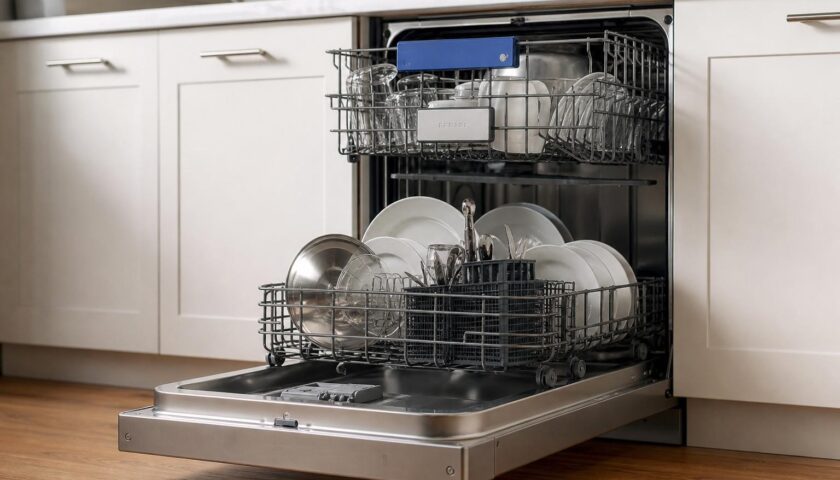
The dishwasher has quietly become the hardest-working teammate in Canadian kitchens. It saves water, trims hydro bills, frees up evenings, and keeps counters clear of teetering dish stacks. Yet choosing one—and using it well—can feel surprisingly complex. Do you pick a slim 18-inch model for a Toronto condo, a panel-ready unit for a Montreal renovation, or a portable dishwasher for a rental in Regina? Should you care about noise ratings, soil sensors, or NSF sanitization? And how do Canadian regulations like EnerGuide labels, CSA certification, and Quebec’s language requirements fit into the picture? This guide answers those questions with a Canadian lens, along with practical tips you can use the day your new machine arrives.
Here, you’ll find clear explanations, real price ranges in Canadian dollars, step-by-step installation guidance, everyday loading strategies, maintenance checklists, and solutions to the most common dishwasher problems. You’ll also see how to navigate provincial energy rates, condo bylaws, and end-of-life recycling programs. Whether you’re buying your first dishwasher or replacing a sputtering veteran, you’ll walk away confident and ready to get spotless, squeaky-clean results without wasting water, money, or time.
Why a Dishwasher Is a Smart Choice in Canada
Running a dishwasher is not just a convenience play. It is one of the simplest ways to cut household water and energy use. Modern ENERGY STAR certified dishwashers typically use around 11 to 15 litres of water per cycle—about what an average tap can pour out in two to three minutes. Handwashing a full load often takes 40 to 75 litres, especially if you love a steady stream of hot water. In provinces where water and wastewater rates are climbing, that difference starts to show up on the bill.
Electricity use is also lower than most people guess. EnerGuide labels on current models often show annual consumption in the 200 to 300 kWh range based on standardized testing and average use. Even at $0.15/kWh—a rough midline between Hydro-Québec’s lower rates and Ontario’s time-of-use peaks—you’re looking at roughly $30 to $45 a year. Hot water energy is largely baked into those test results because most newer dishwashers heat water internally to the exact temperature needed for each cycle.
Then there’s time. Running a dishwasher five times a week can return several hours of your life every month. That matters during a Winnipeg winter when daylight is short, and it matters in a Calgary summer when the patio is calling. If you’re in a condo or rowhouse with limited counter space, a dishwasher also keeps clutter down and odours in check—important when your living room is six steps from your sink.
Hygiene plays a part too. A sanitize cycle can raise final rinse temperatures to meet NSF/ANSI 184 standards, which certifies a reduction in bacteria that manual washing simply can’t match consistently. That can be handy for cutting boards, baby bottles labelled dishwasher-safe, and lunch containers shuttling to and from school or the site trailer.
The Main Dishwasher Types (and Who They’re For)
There is no one “best” dishwasher for every Canadian home. Floorplans, tenancy status, and household size tend to steer the choice. Here are the common formats you’ll see in stores across Canada and which ones tend to fit best where.
Standard 24-inch Built-In Dishwashers
This is the classic under-counter model most kitchens are designed to accept. The standard opening is typically about 24 inches wide by 24 inches deep, with a height in the 34 to 35-inch range (including the countertop thickness). Capacity suits families and busy couples who cook most nights. If you’re renovating or building, this is the default that gives you the broadest selection of brands, features, and prices.
These dishwashers hardwire or plug into a dedicated circuit, connect to a 3/8-inch hot water supply, and drain to the sink’s tailpiece or garbage disposer. If your current kitchen already has the looped drain line, shut-off valve, and opening ready, the swap is usually quick and affordable.
18-inch Slim Dishwashers
Slender dishwashers at 18 inches wide are popular in tight Toronto and Vancouver condos, smaller duplexes, and basement suites where every cabinet matters. They hold fewer place settings, but a well-designed 18-inch model can still handle dinner for three or four and the pots it took to make it. Expect a bit less flexibility for oversized baking sheets and Dutch ovens.
Noise ratings and feature sets for slim machines now rival their 24-inch cousins. If your kitchen layout is fixed and space is limited, the right 18-inch dishwasher is much nicer to live with than a cluttered drying rack monopoly on the counter.
Portable and Convertible Dishwashers
Portable dishwashers roll on casters and hook to the faucet with a quick-connect coupler. When not in use, they can serve as extra counter space or park in a corner. For renters—especially in buildings where modifying plumbing isn’t allowed—this is often the most realistic path to a dishwasher. In Regina, Halifax, or anywhere with older rentals, portables remain quietly popular.
Some portable models are “convertible,” meaning you can remove the countertop and caster base later and build them into a standard 24-inch opening. That’s useful if you’re renting now but expect to own soon.
Countertop Dishwashers
Countertop models sit beside the sink and connect to the faucet or, in some cases, have a refillable water reservoir. They handle a few place settings and small pots—great for singles, roommates who cook light, or cottages with limited cabinetry and a small water heater. They are not a replacement for a family-sized unit, but they beat handwashing for everyday dishes and lunch prep gear.
Panel-Ready and Fully Integrated Dishwashers
Panel-ready (or built-in integrated) dishwashers accept a cabinet door panel so the front matches the rest of your kitchen. In a Montreal or West Vancouver renovation where design continuity matters, panel-ready appliances blend in seamlessly. “Fully integrated” models tuck the control panel onto the top edge of the door; you won’t see a display when the door is closed. These usually cost more but can be very quiet and refined.
DishDrawer and Specialty Formats
Fisher & Paykel’s DishDrawer design splits the dishwasher into one or two stacked drawers. You can run a single drawer for small loads or both when hosting. For aging in place or accessible kitchens, drawer heights can be easier on the back than bending to a deep lower rack. Capacity per drawer is smaller, but daily use can be more ergonomic.
Features That Truly Matter (and Which to Skip)
Manufacturers pack a lot of jargon onto display cards. Here is what tends to matter most in real Canadian kitchens—and what you can ignore without regret.
Cleaning Performance: Filtration, Spray Coverage, and Sensors
Look for a self-cleaning filter or an easily removable manual filter at the bottom of the tub. European-style machines often use fine mesh filters you rinse under the tap every couple of weeks. North American designs may include a hard-food disposer or hybrid system that reduces maintenance but can be a touch noisier. Either way, effective filtration is the foundation of spotless results because it keeps food bits from redepositing on your glasses.
Multiple spray arms and dedicated spray zones for bottles or utensils help when you cook often. Soil sensors that adjust time and water to match the load are worth having; they stretch cycles slightly when needed and finish early when dishes are already close to clean. You’ll find these on most mid-range and premium units sold by Bosch, Samsung, LG, Whirlpool, KitchenAid, GE, and Miele in Canada.
Drying Systems: Condensation vs Heated, Door Auto-Open, and Zeolite
Condensation drying is common on stainless-tub machines. Hot final rinses warm the tub so moisture migrates off dishes. It’s quiet and energy-efficient, but lightweight plastics may emerge a bit damp. Heated dry options—more common on North American designs—use an element to add heat at the end, shortening drying time but adding a small energy cost.
Some premium European models add mineral-assisted drying (often zeolite) to pull moisture from the air and accelerate results without much extra electricity. Features that pop the door open at cycle end help release steam and finish drying plastics. If your priority is bone-dry lunch containers, look specifically for a “plastics” or “extra dry” setting and door auto-open.
Noise Levels in dBA
Noise ratings are printed widely now. Under 44 dBA is whisper-quiet, good for open-concept condos in Ottawa or small homes where the dishwasher is steps from a home office. In the 45 to 50 dBA range, you’ll hear soft whooshing but can easily hold a conversation. Anything above 52 dBA may be noticeable in smaller spaces, though still far quieter than older machines from a decade ago. Stainless tubs, better insulation, and variable-speed motors usually correlate with lower dBA ratings.
Racks and Cutlery Storage
Adjustable tines, fold-down shelves, and smooth-gliding rails matter far more than you think. They make space for stand mixers’ bowls, sheet pans, tall stemware, and odd-shaped utensils Canadians use daily—from wok lids to hockey team water bottles. A third rack for cutlery and small items clears space below and improves wash coverage. If your household goes through a lot of reusable straws and silicone lids, a flexible third rack is worth it.
Sanitize Cycles and NSF/ANSI 184 Certification
Look for a sanitize option that raises rinse temperatures enough to qualify for NSF/ANSI 184 “Certified Sanitization.” You’re not sterilizing medical equipment, but you are reducing bacteria in a measurable, tested way. This is particularly helpful for cutting boards, baby gear labelled dishwasher-safe, and canning prep in late-summer kitchens from the Okanagan to the Annapolis Valley.
Smart Features: Useful or Novelty?
Wi-Fi connectivity and app control sound like fluff until you start using delayed starts to hit off-peak Ontario time-of-use windows or get a notification in your Calgary garage that a cycle finished before you leave for soccer. Remote diagnostics can also speed up service calls. That said, a rock-solid wash and dry will always beat a flashy app with mediocre performance. Treat smart features as a bonus, not the foundation.
Stainless Tub vs Plastic Tub
Stainless tubs help reduce noise and support condensation drying. They’re durable and resist odours. Plastic-tub models can be more affordable and still perform well, especially if you don’t mind a little extra noise and occasional damp plastics at cycle end. In damp coastal climates like Vancouver Island, stainless tubs also discourage lingering smells when a machine sits closed for a few days.
ENERGY STAR, EnerGuide, and Real Energy/Water Use
ENERGY STAR certified dishwashers are common in Canada and indicate reduced energy and water use compared to baseline models. The yellow EnerGuide label shows estimated annual kWh consumption based on standard Canadian test procedures. Use it to compare two models side by side. If two dishwashers look similar, the lower kWh number wins unless a specific feature tips the scales for your household.
Hard Water Handling: Rinse Aid, Detergent Choice, and Softeners
Water hardness varies widely across Canada. Vancouver and much of coastal BC have soft water. Southern Ontario, the Prairies, and parts of Alberta can be quite hard. Hard water leaves white film and spots and can dull glassware. Always use rinse aid; it’s cheap insurance against filming and helps with drying, especially in colder basements and winter kitchens.
If your city water is hard, use a premium detergent pod or powder formulated for mineral-heavy water. Some European-brand dishwashers include built-in softeners that use dishwasher salt; most North American models do not. If your home is very hard (over about 12 grains per gallon/205 ppm), consider a whole-home softener or install a point-of-entry system. It protects the dishwasher and improves showering, laundry, and kettle life too.
Reliability and Service Network
A great dishwasher is one you don’t think about. Beyond online reviews, look for brands with strong Canadian parts availability and service coverage. Bosch, Whirlpool, KitchenAid, GE, LG, Samsung, Frigidaire, Maytag, Miele, and Fisher & Paykel all sell widely here. In smaller markets—from Thunder Bay to Prince George—ask retailers which brands have quick access to parts and authorized techs. It matters when you need a pump on short notice before a holiday gathering.
What a Dishwasher Costs in Canada
Sticker price is one piece. Installation, delivery, haul-away, extended coverage, and long-term operating costs also add up. Here’s how the math usually looks north of the 49th.
Typical Price Ranges
You can find a functioning 24-inch dishwasher for around $500 to $800 CAD on sale, especially from Frigidaire, GE, or entry Whirlpool models. Mid-range sweet spots sit in the $900 to $1,500 band, where you’ll get quieter operation, better racks, and more consistent drying. Premium and European models range from $1,600 to $3,000+, with top-end Miele and panel-ready units going higher, especially with custom panels and professional installation.
For 18-inch slim models, expect to pay a small premium relative to features—often $800 to $1,800. Portable dishwashers typically run $600 to $1,000. Countertop units run $300 to $600 and are often sold through big-box retailers and online marketplaces with fast shipping across the provinces.
Installation, Delivery, and Extras
Basic installation for a built-in dishwasher often lands in the $150 to $350 range when the space, wiring, and plumbing are already in place. If you need a dedicated outlet added, a new shut-off valve, or a drain branch installed, budget another $150 to $600 depending on the work and local labour rates. Condo installations sometimes cost more due to access, elevator bookings, and building restrictions.
Delivery fees vary by retailer and distance; some offer free delivery during promotions, others charge $50 to $100. Old appliance haul-away can be $25 to $50. Stainless braided hoses and fitting kits typically add $20 to $40 if not included. If you live outside major metro areas, factor in slightly higher delivery or longer lead times, particularly in winter when weather delays are common.
Operating Costs Across Provinces
Electricity rates differ across Canada. Hydro-Québec is among the lowest, with tiered residential rates well under $0.10/kWh for most usage. Ontario households on time-of-use plans may see off-peak rates closer to $0.08–$0.10/kWh and on-peak as high as the mid-to-high teens per kWh. BC Hydro sits around the low-teens on average. Alberta’s market-based rates have been volatile; check your retailer contract. At 230 kWh per year (a common EnerGuide number), annual electricity cost is usually $20 to $40. Water/wastewater can range from roughly $1.50 to $3.50 per cubic metre, putting annual water cost often under $30 for typical usage.
Detergent and rinse aid costs depend on brands and warehouse-club sizing. A household running five cycles a week will likely spend $80 to $150 a year on detergent pods and $15 to $30 on rinse aid. Buying powder in bulk and using measured scoops can trim that, especially in softer-water regions where you need less product.
Canadian Labels, Standards, and Regulations to Know
Appliances sold in Canada are subject to a few rules and conventions that help you buy confidently.
EnerGuide and ENERGY STAR Canada
The familiar yellow EnerGuide label is mandatory. It shows estimated annual energy use and the range for similar models, letting you compare like for like. ENERGY STAR Canada certification indicates better-than-average energy and water performance. If two machines meet your needs equally, use these labels as tiebreakers.
CSA or cUL Certification
Look for CSA or cUL (Underwriters Laboratories of Canada) marks indicating the dishwasher was tested to Canadian electrical safety standards. This is important for insurance, permitting, and basic peace of mind. You’ll see the mark on the rating plate inside the door.
Quebec’s Language Requirements
If you live in Quebec, instruction manuals, safety documents, and product labelling must be available in French under the Charter of the French Language. Major brands comply by default, but if you’re importing a specific model or ordering online, double-check the documentation before purchase.
Phosphorus Limits in Dishwasher Detergent
Canada restricts phosphorus content in household dishwasher detergents under the Canadian Environmental Protection Act. This is why modern detergents rely on enzymes and other ingredients for cleaning power. The upshot: pre-rinsing is not helpful—these formulations need food soil to activate fully.
Installation in Canadian Homes: What to Expect
Some handy homeowners install their own dishwasher in an afternoon; others prefer to call in a pro. Either way, understanding the steps helps you plan, budget, and avoid surprises—especially in condos and older houses where access and clearances can be tight.
Measure Twice: Fit and Clearances
Confirm the width, depth, and height of your opening. Most dishwashers are adjustable in height by about an inch thanks to levelling legs. Remember to account for flooring changes—adding thick tile or luxury vinyl can raise the kitchen floor and shrink the opening. Check that the door can swing fully without hitting an island or a radiator, and that adjacent drawers can open with the dishwasher door down.
Leave space for the drain hose and water line to pass through the cabinet wall without kinking. If your sink base is crowded with a garbage disposer, recycling bins, or a bulk water filter, take a photo and ask the installer whether a new hole or re-routing is needed.
Plumbing Basics: Water Supply, Shut-Off, and Drain
Most dishwashers in Canada connect to a 3/8-inch hot water supply using a braided stainless-steel line. A dedicated shut-off valve in the sink base cabinet is important; if you don’t have one, ask to have it installed during setup. Consider adding water hammer arrestors if your plumbing is prone to banging when valves close.
For the drain, many Canadian jurisdictions accept a high loop under the sink cabinet—routing the drain hose up and securing it high before it drops to the sink tailpiece or disposer inlet. Some manufacturers and local codes prefer or require an air gap, which is a small device mounted on the sink deck or countertop that prevents backflow. Check your local plumbing bylaw and follow the dishwasher’s installation manual; manufacturer requirements can affect warranty coverage.
Electrical: Cord, Hardwire, and Protection
Built-in dishwashers typically run on 120V, 60 Hz and draw around 10–12 amps. Many are hardwired; others use a cord-and-plug kit into a dedicated receptacle. The Canadian Electrical Code evolves, and local rules vary: you may be required to use AFCI (arc-fault) protection in certain dwelling unit circuits, and some jurisdictions or manufacturers specify GFCI protection. If you’re unsure, hire a licensed electrician; it’s a quick job when the line is already there and avoids unpleasant surprises during inspection or insurance claims.
Condo, Strata, and Rental Considerations
In condos and strata buildings, review bylaws before booking installation. Some boards specify quiet hours for construction, require elevator pads, or ask for licensed and insured trades. Work may need to be scheduled with concierge staff, adding a few days to your timeline. Noise ratings under 45 dBA matter more in shared-wall living—your neighbours will thank you.
Renters should get written permission before altering cabinets or plumbing. Portable dishwashers are usually the path of least resistance. If you do install a built-in at your own expense, clarify in writing whether it stays with the unit at move-out and who handles repairs during your tenancy.
Cottages, Cabins, and Older Homes
On well water with iron or sediment, add a sediment filter upstream to protect valves and spray arms. Low water pressure (under ~20 psi) can hamper fill and cleaning. If your hot water tank is small—common in cabins—a dishwasher with internal heating can compensate, albeit with longer cycles.
In 1950s–1970s housing stock across cities like Winnipeg and Hamilton, lack of a nearby electrical circuit or an easily accessible drain branch may extend the job. Budget for some electrician or plumber time; the long-term convenience is worth it.
Winter Delivery and First Run
If your dishwasher arrives on a frigid day and has been on a truck or garage for hours, let it acclimate indoors before first run. Sudden temperature swings can cause condensation in electronics. While rare, frozen water left in a used appliance picked up from classifieds can crack internal parts—inspect and let it thaw fully before powering on.
Everyday Use: Get Sparkling Results Without Wasting Water
Great results start before you press Start. You don’t need rituals—just a few habits that pay off every time.
Loading: The Simple Rules That Work
Skip pre-rinsing. Scrape big chunks into the green bin and load. Modern detergents need some soil to activate enzymes. Pre-rinsing just wastes hot water and can leave detergent with nothing to latch onto.
Face the dirty surfaces toward the spray arms. Don’t nest bowls. Keep tall items like cutting boards and baking sheets to the sides so they don’t block the spray. Plastics ride the top rack to avoid warping. Put knives tip-down for safety. If you have bottle jets or a targeted wash zone, point sports bottles, travel mugs, and thermoses right at them.
Detergent: Pods, Powder, or Gel?
Pods or tablets are convenient and dose consistently. They usually include rinse aid and enzymes tailored for cooler eco cycles. Powder gives you the most control—you can dial the dose down in soft-water cities like Victoria or up in hard-water towns across the Prairies. Gels clean light soil but often underperform with baked-on casseroles and hard water.
Rinse aid is non-negotiable for clear glasses and dry plastics. Use the machine’s dispenser and keep it topped up. If you see rainbow streaks or an oily film, reduce the dose one notch. If you still get water spots, increase one notch and confirm your water is hot enough at the tap before starting.
Water Temperature Strategy
Dishwashers usually do best with incoming hot water around 49–54°C (120–130°F). Many Canadian households keep water heaters at 49°C to reduce scald risks; others maintain 60°C with mixing valves for legionella control at taps. Either way, most modern dishwashers boost water temperature internally for main wash and sanitize phases. If your results are lacklustre and cycles seem unusually long, run the kitchen tap until hot before starting so the dishwasher doesn’t spend five minutes heating cold pipe water.
Choosing the Right Cycle
Eco or auto cycles are the everyday winners. They sense soil level and adjust water and time automatically. Heavy or pots-and-pans cycles are for burnt-on messes and lasagna pans. Quick cycles trade energy for speed; use them when guests are on the doorstep, not for greasy cookware. If you’re washing baby items marked dishwasher-safe, choose sanitize when available. For crystal and heirloom china, consult the manufacturer; many delicate items prefer handwashing.
When to Run in Provinces with Time-of-Use Rates
In Ontario and a few pilot programs elsewhere, running the dishwasher during off-peak hours saves money. Late evenings and weekends usually qualify. However, many Canadian fire departments recommend not running large appliances unattended or overnight. A middle path: start the cycle after dinner and before bed so you’re still awake for a good chunk of it, or use a leak detector under the sink for peace of mind.
Maintenance and Cleaning: A Short, Doable Schedule
Five minutes here and there keeps a dishwasher humming for years. Treat this like flossing for your appliance—small, regular care beats heroic rescues after things go wrong.
Monthly Quick Clean
Pull the bottom rack and remove the filter. Rinse it under hot water and brush off grease with a soft brush. Spin the spray arms to be sure they move freely. If jets are plugged, use a toothpick to clear them gently. Wipe the door gasket with a damp cloth; crumbs can hide there and cause odours.
Run a hot cycle with a dishwasher cleaner following the product directions. Citric-acid-based cleaners help remove limescale in hard-water regions. Avoid dumping straight vinegar into the tub every week; occasional use is fine, but concentrated acid can be rough on rubber parts over time. Purpose-made cleaners are safer and more effective.
Quarterly Descale and Deep Check
Inspect the inlet screen at the water connection for sediment. Check the drain hose for kinks and ensure the high loop or air gap is intact. Verify the door closes squarely and the machine is level—tiny tilts can leave pools that smell.
If your house has very hard water, run a descaling cycle quarterly with a recommended product. You’ll notice fewer white films and longer spray-arm life.
Annual Tune-Up
Look at the racks for rusting tines and peeling covers. Repair with tine caps or consider rack replacements; rusty tines can scratch dishes and create brown stains. Check the float switch in the tub (a small dome or lever) for free movement; stuck floats can cause overfilling or no fill. Ensure the cabinet screws and anti-tip brackets are tight—especially after floor replacements or heavy use.
Odour Prevention
Use the dishwasher regularly; stagnant water breeds smells. If you’ll be away, crack the door slightly so air circulates. Rinse fish-heavy plates quickly and run a cycle sooner than later. If odours persist, clean the filter and run a sanitize cycle with a cleaner designed for dishwashers. Persistent sewer smells often indicate a drain issue—verify the high loop or air gap is present and the sink’s P-trap is intact.
Flood Prevention and Peace of Mind
Replace rubber supply hoses with braided stainless lines rated for drinking water. Consider a leak detector with an audible alarm under the sink or a smart sensor tied into your home system. Some dishwashers include leak-stop features that cut water if the base tray detects moisture. These are not a license to run cycles on vacation, but they do buy time and save floors.
Troubleshooting: Fast Fixes for Common Dishwasher Problems
Most issues come down to loading, detergent, water temperature, or maintenance. Work through these methodically and you can dodge a service call more often than not.
Dishes Aren’t Coming Out Clean
First, clean the filter and check spray-arm holes. Confirm no tall item is blocking the detergent dispenser. Switch detergent—if you’re using gel, try pods or powder. Run the tap hot before starting, and choose Auto or Heavy for a particularly dirty load. If you habitually pre-rinse, stop for a week; enzymes need some soil to activate.
Still poor? Check water hardness. If you see chalky deposits on faucets, you likely need better detergent, more rinse aid, or softening. Also confirm the inlet valve screen isn’t clogged and that household pressure is reasonable; underfilled machines won’t clean well.
Glassware Has a White Film
White, gritty film that wipes off is usually limescale from hard water. Use a descaler, increase rinse aid, and try a detergent formulated for hard water. A permanent-looking haze that doesn’t wipe off can be etching from too-strong detergent in soft water or high heat over time. Reduce detergent dose, skip heated dry for delicate glass, and avoid pre-soaking with alkaline cleaners.
Dishes Aren’t Dry
Ensure rinse aid is on. Choose an “Extra Dry” or “Sanitize” option for better final heat. Crack the door at cycle end if your model doesn’t auto-open. Load plastics on top and tilt bowls so water doesn’t pool. If a plastic tub model struggles, consider heated dry for loads heavy in plastics.
Dishwasher Won’t Drain
Check the filter and sump for seeds or broken glass. Verify the drain hose isn’t kinked. If connected to a garbage disposer, ensure the knockout plug was removed at installation. Run a drain cycle. If the pump hums but no water leaves, a clog in the hose or the sink tailpiece is likely; a wet/dry vacuum on the hose end can sometimes clear it, but be careful. If the machine shows an error code, consult the manual—it may point directly to a blocked drain or failed sensor.
Leak on the Floor
Inspect the door gasket for debris or damage. Check the float for free movement; a stuck float can lead to overfill. Ensure the unit is level; a slight forward tilt helps seals work properly. Look under the sink at the hose connections. If the leak is from the base and persistent, shut water off and call a technician—continued operation can damage cabinetry and floors.
Bad Smells
Clean the filter and run a sanitize cycle with a dishwasher cleaner. Verify the drain high loop or air gap. If the smell is sewer-like and appears when the sink drains, the sink’s P-trap may be the real culprit. Use the dishwasher weekly to avoid stale water in the sump.
Long Cycles
Eco and Auto cycles can run two to four hours by design—they use lower water temps and let enzymes work longer. That’s normal. If your quick cycle now takes ages, the machine may be struggling to heat due to cold supply water. Run the tap hot beforehand, clean the filter, and confirm the heater isn’t disabled by an error code.
Eco Responsibility and End-of-Life in Canada
When it’s time to retire a dishwasher, don’t dump it on the curb. Provinces and territories have different recycling pathways and stewardship programs. Retailers like The Brick, Leon’s, Home Depot, RONA, Trail Appliances, and Canadian Appliance Source often offer haul-away for a fee or as part of a promotion. Units are typically sent to metal recyclers where steel and some plastics are recovered.
In British Columbia, industry-run stewardship programs exist for major appliances; other provinces rely on municipal depots and private recyclers. If the dishwasher still works, consider donating through Habitat for Humanity ReStores or local reuse centres; they often accept clean, functional appliances with CSA/cUL labels. Always remove or tape the door shut before disposal to prevent child entrapment risks.
Who Makes Good Dishwashers in Canada?
Several brands consistently deliver strong cleaning, quiet operation, and reliable parts supply here.
Bosch is a benchmark for quiet performance and efficient condensation drying across mid to premium tiers. Whirlpool and its brands (KitchenAid, Maytag) are widespread, with solid mid-range options and easier service access in smaller markets. GE has improved in recent years, offering robust wash systems and practical racks. LG and Samsung bring strong feature sets and smart connectivity, along with competitive pricing during holiday sales. Miele targets the premium end with outstanding build quality, long-lived components, and specialized drying technologies. Fisher & Paykel stands out for DishDrawer convenience, especially in accessible designs.
Availability and service vary by region. In the Maritimes or northern communities, ask retailers about local parts stock and authorized technicians. If a brand’s nearest service hub is a province away, that should factor into your decision as much as any snazzy feature.
Where to Shop in Canada—and How to Save
Big national chains like Home Depot Canada, Best Buy, Costco, and RONA carry broad selections and frequent promotions. The Brick and Leon’s are strong on package deals if you’re outfitting a whole kitchen. Regional specialists like Trail Appliances (Western Canada), Goemans and Tasco (Ontario), and independent dealers often provide sharper product knowledge and installation coordination. Canadian Appliance Source is aggressive on pricing and will often price-match—just bring a screenshot and model number.
To save, time your purchase around major sales: Boxing Week, Family Day, Victoria Day, Canada Day, Labour Day, and Black Friday/Cyber Monday. Open-box and scratch-and-dent units can be hundreds less with full warranties; inspect carefully for tub damage rather than cosmetic side scuffs you’ll never see under the counter. Price-match guarantees vary: some require the competitor to have stock in the same province, others honour online pricing nationally. Always confirm delivery timelines; in high-demand seasons, “in stock” can still mean a week or two.
Extended warranties are a judgment call. In most provinces, consumer protection laws include implied warranties that goods be reasonably durable and fit for purpose. Quebec’s Consumer Protection Act is especially strong on legal warranty of quality. Many premium credit cards double the manufacturer’s warranty up to one year when you pay with the card. If you choose an extended plan, read the fine print: who provides service, parts availability, coverage for cosmetic issues, and response times in your area.
Safety First
Basic safety goes a long way. Keep detergent pods and rinse aids out of reach of children; their bright colours are tempting. Use the child lock feature if your machine has one. Load knives and sharp utensils tip-down. Avoid washing wooden cutting boards and carbon-steel knives—warping and rust are common.
Fire and flood risks are rare but not zero. Run the dishwasher when someone is awake, especially in older homes with aging plumbing. Use braided stainless supply lines. Replace brittle, cracked drain hoses. If you hear water hammer, install arrestors. Follow the manual for cleaning agents; mixing bleach-based cleaners with acids is dangerous and unnecessary.
Example Cost and Feature Comparison
| Category | Entry-Level | Mid-Range | Premium |
|---|---|---|---|
| Typical Price (CAD) | $500–$800 | $900–$1,500 | $1,600–$3,000+ |
| Noise (dBA) | 50–55+ | 44–50 | 38–44 |
| Tub Material | Plastic or hybrid | Stainless | Stainless |
| Key Features | Basic cycles, manual filter | Auto cycle, adjustable racks, sanitize | Third rack, auto-open dry, advanced sensors |
| Best For | Budget buys, rentals | Most families and condos | Open-concept homes, design-focused renos |
Regional Realities: Hard Water, Rates, and Climate
In Southern Ontario and much of the Prairies, hard water means you’ll want robust detergents, consistent rinse aid, and possibly a softener. In Metro Vancouver and coastal BC, softer water means using less detergent to avoid etching. In Quebec and the Maritimes, moderate hardness still benefits from rinse aid and occasional descaling.
Time-of-use rates in Ontario reward off-peak operation, while Hydro-Québec’s low stable rates lessen the urgency to micromanage schedule. Winter climates across Canada make proper drying more important—opening the door at cycle end helps prevent trapped humidity and lingering odours when ventilation is reduced for warmth.
Advanced Tips: Squeeze More Value from Your Dishwasher
Batch awkward items. After a canning weekend in the Okanagan or a lobster boil in Nova Scotia, run a heavy cycle with tall items placed along the sides. Use bottle jets for sticky maple syrup pitchers and sports bottles from the rink. If your unit has a half-load option, use it for small midweek runs to minimize water and time.
Use the third rack creatively. Flat spatulas, tongs, reusable coffee filters, and silicone lids live happily up there. This keeps the lower rack for pots and mixing bowls and improves spray to items that need it most. Don’t overload; water still needs to move.
Treat the dishwasher like a dishwasher, not a garage sink. Avoid washing items with labels that can peel off and clog filters. Don’t run non-dishwasher-safe plastics—they can melt, warp, or shed residues onto other dishes. If something breaks, stop the cycle, remove shards carefully, and check the sump before running again.
A Word on Baby Bottles and Food Safety
For baby bottles and pump parts labelled dishwasher-safe, use the top rack and a sanitize cycle if available. Some parents prefer a dedicated basket to corral small valves and nipples. Dry thoroughly and store clean items away from raw-meat prep spaces. Health Canada provides guidance on sterilization practices; if you prefer boiling early on, you can still use the dishwasher for a thorough clean and switch to sanitize cycles as the child grows, following your pediatrician’s advice.
Common Myths, Debunked
“You must pre-rinse everything.” Not with modern detergents—scrape, load, and let enzymes do their work. Lightly soiled plates and bowls actually clean better when there’s a little food residue to activate the formula.
“Handwashing is greener.” Not typically. Independent testing and ENERGY STAR data consistently show efficient dishwashers use less water and energy per place setting than handwashing under a running tap.
“Short cycles save the most energy.” They save time, not necessarily energy. Eco/Auto cycles often use less water and power by extending time at lower temps instead of blasting away with heat and extra rinses.
Planning a Kitchen Renovation Around a Dishwasher
If you’re redesigning a kitchen in Edmonton or St. John’s, place the dishwasher within easy reach of the sink to keep plumbing simple and loading convenient. Leave at least 21 inches of clear space in front of the unit for unloading. Install a dedicated shut-off valve in the sink base cabinet. Consider a panel-ready model if you want the appliance to disappear behind millwork; order the panel early—lead times for custom fronts can lag the appliance by weeks.
Noise matters in open plans. A 42 dBA unit over a 50 dBA one may cost more now but will be appreciated nightly when conversation continues over the gentle swoosh of a cycle you barely notice. If you’re setting up an accessible kitchen, consider a drawer-style dishwasher or raising the machine slightly with a platform for easier loading without deep bends.
For Renters: Portable or Countertop Dishwasher Best Practices
Use a quick-connect faucet adapter that fits your tap; keep the original aerator in a labelled bag for move-out. Don’t leave the machine pressurized when not running—disconnect after every cycle to relieve stress on faucet seals. Park the unit on a waterproof mat if floors are delicate. If you share space, post a simple loading guide on the side to keep peace and results consistent.
Noise and vibrations can travel in older buildings. Place felt pads or a thin rubber mat under casters to reduce buzzing on hardwood. Run cycles during daytime or early evening to maintain good relations with neighbours.
What to Do Before Calling for Service
Take photos of error codes and model/serial tags (usually on the door frame) and keep them on your phone. Run through a simple checklist: clean filter; ensure water supply is on; verify drain hose configuration; confirm nothing blocks spray arms; try a different detergent; run tap until hot; and perform a reset per the manual (often pressing Start for a few seconds). If you call service with these steps already done, you’ll either solve it or shorten the visit.
Glossary: The Dishwasher Terms Retailers Throw Around
Condensation Drying: Uses hot final rinse and a cool stainless tub to wick moisture off dishes. Energy-efficient, gentler on plastics, sometimes slower.
Soil Sensor: Monitors cloudiness of wash water to adjust cycle time and rinses. Saves water and energy on lighter loads.
Third Rack: A shallow rack at the top for utensils and small items. Frees space below and improves cleaning coverage.
NSF/ANSI 184: Certification that a sanitize cycle achieves a defined bacteria reduction, tested by an independent body.
Panel-Ready: A dishwasher designed to accept a custom cabinet panel for a seamless look.
High Loop/Air Gap: Drain routing methods that prevent sink water from backflowing into the dishwasher. Check local code and follow the manual.
Sample Setup Checklist You Can Use on Delivery Day
- Measure the opening one last time, including height under the counter.
- Confirm shut-off valve presence and accessibility under the sink.
- Verify dedicated electrical connection and that the breaker is labelled.
- Inspect the new dishwasher for shipping damage before removing all packaging.
- Attach braided stainless supply line; avoid overtightening. Use thread sealant where specified.
- Route the drain hose with a high loop and secure it; install an air gap if required by code or the manufacturer.
- Level the unit front-to-back and side-to-side; secure anti-tip brackets if provided.
- Run a test cycle while installers are present; check for leaks at all joints.
- Load a first small batch and confirm wash and dry outcomes; adjust rinse aid as needed.
Frequently Asked Questions
How long should a dishwasher last in Canada?
Many dishwashers run 8 to 12 years with basic maintenance. Premium brands built with heavier-duty pumps and stainless components can push longer. A clean filter, proper detergent, rinse aid, and occasional descaling make more difference than any single feature on the spec sheet.
Is a portable dishwasher worth it for renters?
Yes, if you cook regularly and can spare the floor space. A portable dishwasher avoids cabinet modifications and typically costs less than repeated takeout or hours over the sink. Look for models with solid tops so they double as extra counter space. Just remember to disconnect the faucet after each use.
Do Canadian codes require an air gap?
Requirements vary by province and municipality. Many Canadian jurisdictions accept a properly secured high loop; some prefer or require an air gap. Manufacturers may also specify an air gap for warranty. Check your local plumbing bylaw and the installation manual; if in doubt, ask a licensed plumber familiar with local code.
What dBA rating counts as a quiet dishwasher?
Anything under about 44 dBA will be very quiet in most kitchens. Between 45 and 50 dBA, you’ll hear it but can easily talk over it. Older machines often sit above 55 dBA, which is noticeably louder in open-concept spaces.
Is pre-rinsing actually bad?
It’s not harmful, but it’s unnecessary and wastes water. Modern dishwasher detergents are engineered to work with some soil present. Scrape, load, and press Start. If you see stuck-on bits after, adjust loading and try a different cycle or detergent rather than returning to full-on pre-rinsing.
Which detergent works best in hard water?
Premium pods or quality powders designed for hard water usually outperform gels. Keep rinse aid full and consider a descaling run monthly or quarterly. If hardness is severe, a home softener protects not only the dishwasher but also fixtures and appliances throughout the house.
Can I wash cast iron, carbon steel, or wood cutting boards?
Avoid it. Dishwashers strip seasoning from cast iron, cause carbon steel to rust, and warp or crack wood. Handwash and dry promptly. Stainless steel, most ceramics, and dishwasher-safe plastics are fine.
How hot does a sanitize cycle get?
Sanitize cycles are designed to meet NSF/ANSI 184, which verifies a specific bacteria reduction. The final rinse temperature typically reaches the upper 60s Celsius (around 70°C), depending on the model. Always consult your manual for exact details and use only dishwasher-safe items.
Does the dishwasher need a dedicated electrical circuit?
Usually, yes. Most installations place a dishwasher on its own 15- or 20-amp circuit. Electrical codes and builder practices vary, so confirm with a licensed electrician, especially during renovations or in older homes.
Are there rebates for ENERGY STAR dishwashers in Canada?
Rebates for dishwashers are less common now than for fridges, heat pumps, or washers. Some local utilities or municipalities may run limited-time offers. It’s worth checking your provincial energy-efficiency program websites and your electricity provider’s promotions before buying.
What’s the best dishwasher for a small kitchen?
An 18-inch slim dishwasher or a drawer-style unit fits narrow layouts. In rentals or where cabinetry can’t be modified, a portable or countertop dishwasher keeps counters clear without permanent changes. Prioritize flexible racks and third-rack options to maximize limited space.
Can I connect my dishwasher to cold water to save energy?
Most dishwashers are designed for a hot water connection. While internal heaters can boost temperature, starting with cold water often lengthens cycles and may reduce cleaning efficiency. Follow the manufacturer’s instructions; a hot feed around 49–54°C generally works best.
Why does my new dishwasher take so long?
Eco-minded designs intentionally run longer with lower water and gentler heating to reduce total energy use. Auto and Normal cycles of 2.5–4 hours are normal now. If you need speed occasionally, use Quick or Express cycles, understanding they may use more water and energy.
What’s the difference between condensation drying and heated drying?
Condensation drying uses a hot final rinse and a cooler stainless tub to pull moisture off items—quiet and energy efficient, but plastics may be damp. Heated drying adds an element to boost heat and speed, drying plastics better at a small energy cost. Some machines also pop the door open at the end to vent steam for improved results.
How do I know if my water is hard?
Look for white spots on glassware and crust on faucets or kettle elements. Many municipalities publish hardness data on their websites. You can also buy inexpensive test strips online or at hardware stores. If hardness is moderate to high, adjust detergent dose and keep rinse aid topped up; consider a softener if it’s very high.
What should I do with my old dishwasher?
Ask the retailer about haul-away when you buy a new unit; many offer it for a small fee. Municipal recycling depots and scrap-metal recyclers often accept appliances. If it still works, donate to a local ReStore or community group. Remove or secure the door before disposal for safety.
Is it safe to run a dishwasher overnight?
Time-of-use rates make overnight tempting, but many fire departments advise running major appliances while you’re awake. A compromise is to start the cycle after dinner and before bed. Use leak detectors and braided hoses to reduce risk regardless of when you run it.
Do I need a water softener just for the dishwasher?
Rarely. Start with rinse aid and the right detergent. If you live in a very hard-water region and see persistent scale, a whole-home softener offers more benefits than a point solution. Some European-brand dishwashers include built-in softeners, but they’re less common in North American models.
How can I reduce odours without harsh chemicals?
Clean the filter monthly, wipe gaskets, and run occasional hot cycles with a citric-acid dishwasher cleaner. Leave the door ajar between cycles to air out. Ensure the drain hose is looped high or uses an air gap to prevent backflow from the sink.
Are panel-ready dishwashers worth it?
If kitchen design cohesion is a priority and budget allows, yes. They create a seamless look and can help small spaces feel calmer. They don’t clean better because of the panel, though—treat performance and service support as the primary criteria, design second.
Final Thoughts
A good dishwasher should slip into your daily rhythm and disappear—quiet, efficient, reliable, and easy to load. Pick the right size for your kitchen, prioritize cleaning and drying performance over flashy extras, and lean on Canadian labels like EnerGuide and ENERGY STAR to compare. Install it properly with a secure drain configuration and braided supply line. Then let modern enzymes do their work without pre-rinsing, keep rinse aid topped up, and give the filter a quick rinse monthly. Do that, and your dishwasher will pay you back for years—in time saved, glasses that actually sparkle, and utility bills that don’t spike for the privilege.