
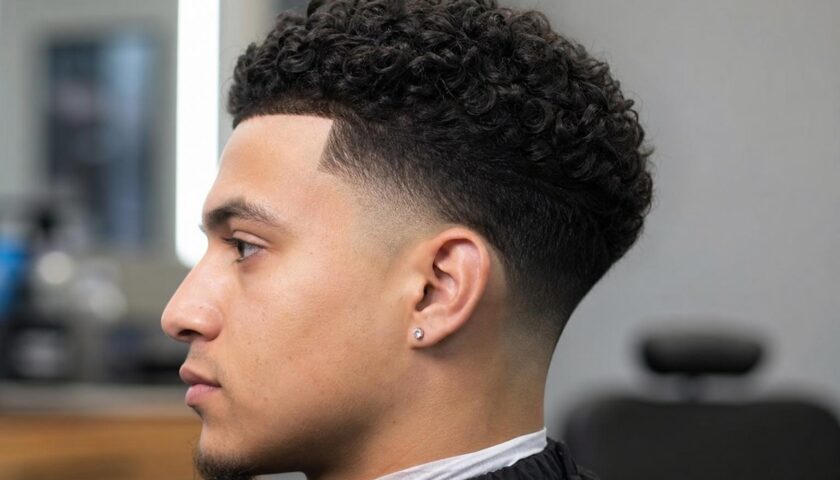
The mid taper fade is the haircut you’ve seen on Bay Street at 8 a.m., on Whyte Avenue at midnight, and everywhere between. It’s crisp without being flashy, modern without trying too hard, and endlessly adaptable to your hair type, face shape, and lifestyle. Whether you’re stepping into a Toronto barbershop that does 30 cuts before lunch or popping into a cozy studio in Halifax, the mid taper fade delivers a polished edge that fits the Canadian rhythm—office, rink, patio, repeat.
If you’ve ever left a chair thinking, “I wanted it cleaner, but not skin-tight,” this guide is for you. You’ll learn what actually makes a mid taper fade different from a mid fade, who it looks best on, how barbers build it step by step, how to ask for it without barbershop jargon, and how to keep it sharp through a cold snap, a humid Vancouver day, or a bike helmet commute. We’ll cover costs in Canadian cities, realistic maintenance schedules, beard blending, product picks, and what to expect from reputable, hygienic shops across the country.
What Exactly Is a Mid Taper Fade?
A mid taper fade is a haircut where the hair gradually shortens around the temples and the nape (neckline), with the shortest point sitting at a “mid” height—roughly halfway between your ear and the top of your head’s side (the parietal ridge). Unlike a full “fade” that removes bulk across the entire sides and back, a taper concentrates the transition at the edges, keeping more weight and coverage on the sides. The result is structure and neatness without fully exposing the scalp around the ears and back.
Think of it as a smart boundary: the taper hugs the hairline at the sideburns and neckline, tightens things up to a mid point, then diffuses into your longer side length. Up top, you can do almost anything—textured crop, quiff, curls, comb-over, slick-back, fringe, even a short afro or twists. The mid taper fade frames the cut rather than dominating it.
Mid Taper Fade vs. Mid Fade: What’s the Real Difference?
The terms sound close, but barbers treat them differently:
- Mid taper fade: Short, clean gradient limited to the temple and nape zones. The sides above the taper can remain fuller. Works great when you want polish but prefer some side coverage.
- Mid fade (or medium fade): The fade spans the full sides and back, starting around the middle of the head. Often tighter and more exposed than a taper, especially if you choose a skin fade (down to zero/razor).
If you want a neat frame that won’t make your glasses arms look extra prominent or your scalp overly visible, ask for a mid taper fade. If you want strong contrast and a lighter, airier silhouette, a mid fade might be the move.
Where “Mid” Sits on the Head
Barbers reference anatomy landmarks you can feel with your fingers:
- Parietal ridge: The corner where the sides meet the top. “Mid” usually sits a finger or two below this ridge.
- Temporal area: Around the temple and sideburn. This is the heart of the taper.
- Occipital bone: Bump on the back of your head. The nape taper rises toward the mid area below this point.
In a mid taper fade, the shortest point at the temple is around the middle height of the side, and at the back it rises to a similar level, creating a symmetrical, balanced frame.
Skin, Shadow, or Guarded: How Tight Should the Taper Be?
You can dial the tightness of your mid taper fade. A few common options:
- Skin (bald) mid taper fade: Flush to the skin at the very edge, finished with a shaver. Maximum crispness and contrast. Shows off line-ups and beard-outlines beautifully.
- Shadow taper fade: The shortest point uses a #0 guard or lever-open zero, leaving a hint of stubble. It reads soft and grows out gracefully.
- Guarded taper: Starts around a #0.5 to #1 guard at the edges; less dramatic, very office-friendly, easy maintenance.
Ask yourself how quickly your hair grows, your workplace vibe, and how often you’re happy to book touch-ups. Skin fades look incredible the first week; shadow and guarded tapers keep their shape longer between visits.
Who Looks Best with a Mid Taper Fade?
Almost anyone. That’s the magic of a taper-focused design. But the best version for you depends on your face shape, hair texture, growth patterns, and how you style the top. Here are guidelines—not rules—so you can shape a cut that fits, not fights, your features.
Face Shape and Proportions
A mid taper fade helps balance proportions by creating a cleaner outline at the sides and back without collapsing the silhouette.
- Round faces: Keep a bit more length and height on top (a quiff or textured crop) with a tighter taper at the temple to create verticality.
- Square faces: A slightly softer taper (shadow, not skin) with textured top can stop the look from feeling too hard-edged.
- Oval faces: You can wear almost any version. Try a skin mid taper fade for extra definition if your hair is dense.
- Long faces: Avoid too much volume on top; a medium-length top with a guarded taper keeps balance.
- Heart-shaped faces: Leave a touch more side coverage above the taper to avoid exaggerating a narrow jaw.
Hair Texture and Density
Texture dictates how much contrast you can carry and how the taper blends into the sides.
- Straight, thick hair: Takes clean lines well. Consider a skin or #0 shadow taper to keep the edges immaculate.
- Wavy hair: A mid taper fade creates structure so your waves sit intentionally. Sea-salt spray or a matte paste will do most of the work.
- Curly hair: The taper outlines your shape while curls add personality on top. Keep the taper tight at the temple to highlight a neat hairline; leave curl-friendly length on top.
- Coily/afro-textured hair: Ideal for shape definition. A line-up plus a skin or shadow mid taper fade frames twists, sponge curls, or a mini afro.
- Fine hair: Stick with a guarded taper (#0.5–#1) to avoid see-through spots. Leave some side density above the taper for fuller appearance.
Glasses, Cowlicks, and Other Realities
If you wear glasses, a taper often sits more comfortably than a full mid fade. You keep a cushion of hair for the arms to nestle without rubbing your skin. If you have a strong cowlick at the crown or neckline, a taper keeps the fussy area shorter and easier to manage, instead of creating a full fade that can expose tricky growth patterns.
Pros, Cons, and Maintenance Expectations
Every great cut is a compromise between the look you want on day one and how it behaves by day twenty-one. Here’s what to weigh for a mid taper fade.
Why People Love It
- Versatility: Works with nearly any top length and style.
- Professional but current: Clean edges read polished in conservative settings while still feeling modern.
- Grows out well: Especially with a shadow or guarded taper, your hair won’t look “stepped” after two to three weeks.
- Glasses- and helmet-friendly: A taper at the temple and nape minimizes friction.
Trade-offs to Consider
- Touch-ups: To stay extra crisp (especially with skin tapers), plan on revisiting every two to three weeks.
- Precision matters: A sloppy taper can look blotchy or uneven. Choose a barber who fades cleanly.
- Contrast can highlight growth: On darker, denser hair, the edge between stubble and bulk gets fuzzy sooner.
If you’d prefer monthly or six-week cycles, ask your barber for a softer, slightly higher taper and keep the edges scissor-clean. It buys you time without losing the shape.
Cost, Timing, and Booking in Canada
Prices vary widely across Canada based on city, shop reputation, and whether your service includes a beard trim, wash, or hot towel. In most provinces, hair services are taxable; confirm whether GST/HST (and QST in Quebec) is included in the quoted price. Tipping norms run about 15–20% for a great job.
Typical Price Ranges for a Mid Taper Fade
These are ballpark figures for a standalone haircut (no beard service), based on public menus from a mix of barbershops and salons as of this year:
| City/Region | Typical Price (Haircut Only) | With Beard Trim/Line-Up | Notes |
|---|---|---|---|
| Toronto & GTA (ON) | $40–$85 | $60–$120 | Busy downtown shops lean higher; suburban studios vary. High demand on weekends. |
| Vancouver (BC) | $40–$80 | $60–$110 | Premium shops charge more; book early on Saturdays. |
| Montreal (QC) | $35–$75 | $55–$105 | Expect GST + QST on services; bilingual consults common. |
| Calgary & Edmonton (AB) | $35–$70 | $55–$100 | Strong barbershop scene; weekday afternoons are quieter. |
| Ottawa (ON) | $35–$75 | $55–$105 | Government district shops book up around payday weeks. |
| Halifax (NS) | $30–$65 | $50–$95 | University rush affects schedules in Sept/Oct and April. |
| Winnipeg (MB), Saskatoon/Regina (SK) | $30–$65 | $50–$95 | Prices swing with shop experience and add-ons. |
| Smaller cities & towns | $25–$55 | $45–$85 | Great value in independent shops; book by phone or walk-in. |
Appointment time for a quality mid taper fade is typically 30–50 minutes, longer if you add scissor work on longer top styles or a detailed beard fade. First-time visits often include a consult that adds five to ten minutes up front.
When to Book and What to Expect
Popular shops in Toronto, Vancouver, and Montreal often release slots one to two weeks out; last-minute weekend bookings can be tough. Weekday mornings and early afternoons are the best times to snag quieter chairs, especially if you want extra consult time. Many Canadian barbershops use booking apps with deposit and no-show policies—check confirmation emails for details to avoid fees.
How to Ask for a Mid Taper Fade (Without Guessing)
Clear, simple language works better than jargon. Before you sit, think about three things: how tight the taper should be (skin, shadow, or guarded), how much length you want up top, and how you style day to day. Then say it plainly and show a reference photo that matches your hair type and density.
A Script You Can Use
“I’d like a mid taper fade—keep the taper at the temple and nape, not a full side fade. Let’s do a shadow taper, not to skin. I wear the top textured and finger-styled; I want to keep about 3–4 cm on top. Clean neckline, natural side part, no hard lines.”
If you want a skin mid taper fade, swap in “down to skin at the edges with a clean razor finish.” If you wear a beard: “Please blend the taper into my beard with a low beard fade, and keep the bulk of the beard intact.” Mention glasses, cowlicks, or sensitive skin up front.
What Good Barbers Ask You
Expect follow-ups like: How often do you get a cut? What product do you use? Do you need it extra conservative for work? Do you wear a hat or helmet a lot? The best cuts solve your real day-to-day, not just your photo inspiration.
Red Flags During the Consult
If the barber keeps insisting on a full mid fade when you asked for a mid taper fade, or doesn’t look at your hair growth patterns before starting, pause and clarify. You should agree on the taper height, tightness, and how the sides will blend before clippers touch your head.
The Barber’s Blueprint: How a Mid Taper Fade Is Built
Every pro has a rhythm, but most follow a reliable sequence. Knowing the process helps you communicate and evaluate the work.
Tools You’ll See on the Station
- Clippers with adjustable lever (Wahl, Andis, Oster are common)
- Guards: #0.5, #1, #1.5, #2, #3, #4 (sometimes #5 and #6)
- Trimmers/edgers for line-ups
- Foil shaver (for skin taper finishes)
- Shears and thinning/sculpting shears
- Comb and clipper-over-comb tools
- Neck razor (single-use blades for hygiene)
Step-by-Step Flow (Typical)
- Consult and map: They’ll identify the temple and nape zones, agree on mid height, and confirm top length and style.
- Debulk top/sides if needed: Scissor or clipper-over-comb to get overall shape close to the target.
- Create the taper guideline: At the temple, the barber uses the clipper lever closed (zero) or a #0 guard to sketch the shortest line. Same at the nape, following your natural hairline.
- Fade up: Open the lever slightly to create a soft band above the short line. Then stack guards—#0.5, #1, #1.5—flicking out at the end of each stroke. This builds a gradient that rises to the agreed “mid” level without biting into the full sides.
- Blend into the side length: Above the taper, the barber transitions to your chosen side length using guards or scissor-over-comb, maintaining some coverage.
- Line-up and detail: Trimmers define the edges around the temple, behind the ear, and neckline. For skin tapers, a foil shaver polishes the lowest zone, then the blend is re-softened above it.
- Top work: Depending on your style, they’ll texturize, point cut, or create a blunt line. The top sits independently of the taper—this is where your personal style lives.
- Cross-check: A good barber looks at you from multiple angles and in different lighting, erasing any dark spots or steps in the blend.
- Style and educate: Expect a quick walk-through on product use and brushing patterns at home.
Guard Numbers and Lengths
Guard numbers aren’t exact between brands, but these are common approximations you can reference:
| Guard | Approx. Length (mm) | Use in a Mid Taper Fade |
|---|---|---|
| #0 (lever open) | 1.5 | Shadow base for the shortest point if not going to skin |
| #0.5 | 3 | Bridges from zero/shaver to #1 |
| #1 | 3–6 (brand dependent) | Creates the soft middle of the taper |
| #1.5 | 4.5 | Smooths transition to side length |
| #2 | 6 | Common side length above a defined taper |
| #3 | 10 | For fuller sides, conservative settings |
| #4+ | 12–13+ | Maintains strong side coverage |
DIY at Home: Can You Cut a Mid Taper Fade Yourself?
You can clean up a taper between appointments if you’re steady-handed and patient. For a full build from scratch, understand that professional results take practice and the right tools. If you try it, go conservative and prioritize safety and hygiene.
What You’ll Need
- Quality adjustable clipper and guards (#0.5 to #3 minimum)
- Detail trimmer (helps a lot for clean edges)
- Hand mirror plus bathroom mirror (for angles)
- Hair clips, comb, spray bottle
- Rubbing alcohol and a disinfectant spray for tools
At-Home Steps (Keep It Simple)
- Outline conservatively: Use a #1 guard to gently clean the temple and nape edges up to where you want the taper to end. Avoid harsh lines.
- Build your fade up: Switch to #0.5 and work a finger-width band at the very edge, flicking out at the end of each stroke. Open the lever slightly as you move higher to soften.
- Blend into the sides: If your sides are a #2, use #1.5 to blend the taper’s upper edge into that #2. Keep strokes light and consistent.
- Detail: If you own a trimmer, lightly tidy the neckline and around the ears. Don’t chase perfection—symmetry beats overcutting.
- Clean tools: Disinfect guards and clipper blades. Let them air-dry before storing.
Avoid using a foil shaver or open razor at home around the ears and neck unless you’re trained. Nicks and irritation creep in fast, especially in dry winter months when skin is fragile.
Pairing the Mid Taper Fade with Different Top Styles
The mid taper fade is a frame. The picture inside the frame is your top style. Choose a shape that matches your lifestyle and styling appetite.
Low-Effort, High-Reward Options
- Textured crop: 3–5 cm on top with point-cut texture. A dab of matte paste, scrunch, done.
- Natural curls: Moisturizing cream and a quick fluff with a pick. The taper keeps edges neat while curls do their thing.
- Buzz with tapered edges: A #3 or #4 on top, mid taper fade at temple and nape. Clean lines, almost no maintenance.
Classic with a Twist
- Comb-over with volume: Leave 5–7 cm on top, blow-dry for lift, finish with a light cream. The taper keeps the outline sharp without a hard part.
- Slick back (modern): Use a medium-hold cream or clay for flexible shine. The taper adds intention without going full undercut.
- Side part, no hard line: Ask for a natural separation so it grows out softer.
Statement Looks
- Quiff or pompadour: Requires blow-dry and product, but the mid taper fade makes the silhouette look fresh instead of retro.
- Fringe: Keep a broken, piecey fringe with weight. The clean taper keeps the look from feeling heavy.
- Short twists or sponge curls: A skin or shadow taper plus line-up frames the texture beautifully.
Beard Pairings
Beard and taper should talk to each other. Ask for a “beard fade” that connects the temple taper into the cheek area. Keep the moustache natural or slightly shorter for balance. If your beard grows strong under the chin, a sharp neckline just above the Adam’s apple keeps things tidy.
Products and Routines for Canadian Weather
From a February whiteout in Winnipeg to a July heat wave in Montreal, your hair faces mood swings. The right routine keeps your mid taper fade crisp without dryness or frizz.
Winter Tactics (Dry Air, Static, Toque Season)
- Hydrate: Use a gentle, sulfate-free shampoo and a richer conditioner two to three times per week. Consider a leave-in conditioner if your hair is coarse or curly.
- Anti-static: A pea-sized amount of lightweight cream tamps flyaways. Avoid heavy waxes that clump in the cold.
- Hat hair fix: Before putting on your toque, let product set. At destination, spritz with water or a hydrating mist and restyle with fingers.
Summer Strategy (Humidity, Sweat, Sun)
- Scalp care: Sweat can cause itch. Use a gentle exfoliating scalp scrub once a week if you’re active.
- Hold without crunch: Sea-salt spray for volume, topped with a light matte paste. Avoid thick gels that melt under a cap.
- Sun care: If you keep the top short, consider a hair-friendly SPF spray on the part and crown when outdoors.
Regional Notes
- Vancouver/Victoria: Humidity loves frizz. A silicone-free smoothing cream helps waves and curls keep definition.
- Prairies: Dry air calls for conditioner discipline. Don’t skip it or your sides will fluff.
- Atlantic Canada: Wind plus salt air can rough up ends. A weekly deep-conditioner keeps texture soft.
- Quebec and Ontario heat: Aim for medium-hold pastes that reset with a splash of water at the sink.
Professional Settings, Schools, and Sports
A mid taper fade sits comfortably in conservative offices, customer-facing roles, and academic settings. It reads as “groomed” without looking severe. For students, it’s low-maintenance and helmet-friendly for hockey, cycling, or snowboarding. Ask your barber for a natural neckline (rather than a very sharp box) if you want the grow-out to be as forgiving as possible between practices and exams.
Health, Hygiene, and What to Expect in Reputable Canadian Shops
Clean tools and good sanitation are non-negotiable. Across Canada, public health units and provincial/territorial authorities publish guidelines for personal services like barbershops. While licensing and certification requirements vary by province and territory, many barbers are trained under hairstylist programs or apprenticeships, and responsible shops follow infection-control best practices.
What you should see: disinfectant jars or sprays (for combs and guards), single-use razor blades, fresh neck strips, laundered capes, and proper hand hygiene. If you have skin sensitivities, mention them before the line-up; your barber can swap out alcohol-heavy aftershaves for gentler tonics.
If anything looks off—dirty tools, reused blades, or rushed sanitation—politely leave. Your scalp and skin will thank you.
Growing Out a Mid Taper Fade Gracefully
Let’s say you’re spacing cuts to once every five or six weeks. The first two weeks, your taper is tight. Weeks three to four, you’ll notice fuzziness at the edges and extra bulk above the taper. Weeks five to six, the outline starts to blur.
To keep the shape through the in-between, ask your barber for a “taper tune-up” every two to three weeks—just the temple and nape, plus a light outline. It’s faster and cheaper than a full cut. If you’re moving away from fades entirely, maintain length symmetry by adding a light scissor blend at weeks three or four to prevent a shelf where the taper meets the sides.
Advanced Tips and Barber Terminology (So You’re Never Lost)
A few terms help you and your barber speak the same language:
- Lever open/closed: On adjustable clippers, open makes hair slightly longer, closed is tighter. Barbers “float the lever” to micro-blend.
- Clipper-over-comb: Technique to sculpt and blend without relying only on guards. Great for dense sides above a taper.
- C-stroke/flick-out: The motion at the end of a clipper stroke that avoids harsh steps in a fade.
- Drop taper: The taper line curves lower behind the ear for a more contoured look—useful if your occipital bone is pronounced.
- Burst taper: A circular taper around the ear area; pairs well with mullet variations.
- Hard part: A razor-defined parting line. Sharp but grows out obvious; a natural part is more forgiving.
If you hear “mid taper fade into a #2 with a natural neckline,” that means: tight taper at temple and nape, sides kept to a #2 guard above the taper, and a neckline edged along its natural growth rather than boxed deeply in.
The Mid Taper Fade on Different Hair Types
Your genetics shape how a taper reads. Adjusting guard choices, taper height, and top texture gets you a result that looks intentional, not forced.
Straight, Thick Hair
It can feel bulky above the ear. Keep the taper tight (skin or #0 shadow) and request detailed blending above the taper with clipper-over-comb to avoid a ledge. On top, create movement with point cutting or texturizing shears so it doesn’t sit as a heavy block.
Fine or Thinning Hair
A mid taper fade can add polish without overexposing the scalp. Avoid ultra-tight skin tapers that highlight contrast. A guarded taper (#0.5–#1) softens the edge nicely. Up top, matte paste or lightweight clay thickens the appearance better than shiny pomade.
Wavy Hair
Your waves do the styling for you. Keep the taper medium tight to maintain a neat outline, and let the top air-dry with sea-salt spray. Scrunch, then don’t touch—friction breaks pattern.
Curly and Coily Hair
A line-up with a mid taper fade is a classic, crisp pairing. Keep the taper at skin or shadow depending on your maintenance appetite. Moisturize consistently; curls look best when hydrated. If you sponge or twist the top, a slightly higher taper can accentuate the silhouette—ask for a drop taper if your head shape benefits from it.
Dense Asian Hair Types (Straight and Strong Growth)
This hair can show weight lines easily. Emphasize a soft, graduated blend above the taper and consider a bit more height on top to balance strong side growth. Blow-dry upward and backward for structure, then finish with a medium-hold matte product to avoid a helmet effect.
Seasonal and Lifestyle Considerations in Canada
Life here means hockey stages, festival summers, brutal windchill, and commuting in all weather. Your mid taper fade should flex with that.
Helmets, Toques, and Headphones
A taper is kind to gear. If you wear a bike or ski helmet, ask for a natural neckline rather than a razor-sharp box; it grows out less noticeably with repeated hat contact. For over-ear headphones, a guarded taper is less irritating than a skin finish at the temple.
Events and Milestones
For weddings, interviews, or convocations, book your mid taper fade two to four days prior. That’s the sweet spot where edges are crisp and any minor redness from line-ups has settled. For photos, a skin taper pops; for ultra-formal settings, a shadow taper reads timeless.
Eco and Ethical Notes: Greener Grooming
Many Canadian salons and barbershops are part of sustainability programs that recover and recycle beauty waste like foils, color tubes, hair, and PPE. Ask your shop if they work with a program that diverts waste from landfills. You can also choose water-based, cruelty-free products and bring a reusable styling jar if your barber supports refills. Small choices add up across thousands of cuts.
Booking Etiquette and Timing
Prime slots—Thursday evenings and Saturdays—book quickly in major cities. If you need a specific barber, set recurring appointments every two to three weeks for skin or shadow tapers. Arrive five minutes early, wear a clean collar, and describe what’s new since last time: “The taper grew out fast; can we go a touch higher and keep the neckline natural?” If you can’t make it, cancel per the shop’s policy—many Canadian shops use deposits to guard against no-shows.
Common Mistakes and How to Avoid Them
A mid taper fade is forgiving, but there are pitfalls you can dodge with a little foresight.
- Overrequesting contrast: Skin taper plus very light sides can make the top look disconnected. Keep some side coverage unless you want a sharper, mid fade look.
- Ignoring growth patterns: Strong swirls at the nape need a slightly higher or curved taper (drop) to look smooth. Point it out during your consult.
- Chasing internet photos: Match inspiration to your hair density and texture. A photo of a thick, dark-haired skin taper won’t translate 1:1 to fine, light hair.
- Neglecting product: A pea-sized amount of the right product locks in shape. Start small. You can always add a touch more.
Example Looks You Can Ask For
Words help, but concrete combos are better. Try one of these phrases at your next appointment:
- “Mid taper fade to skin at the temple and nape, sides at a #2, textured crop on top, no hard part, natural neckline.”
- “Shadow mid taper fade, soft line-up, keep curls on top about 5 cm, shape for definition.”
- “Mid taper fade with beard blend, guarded at the edges, comb-over with medium height, clean behind the ears.”
- “Skin mid taper fade with a drop at the back, top left longer for a loose quiff, side coverage not too tight.”
Maintenance Schedule: What Realistic Looks Like
How often you should return depends on how tight your taper is, how fast your hair grows, and your standards for crispness.
- Skin mid taper fade: Edge tune-up every 1–2 weeks; full cut every 3–4 weeks.
- Shadow mid taper fade: Edge tune-up every 2–3 weeks; full cut every 4–5 weeks.
- Guarded taper: Full cut every 4–6 weeks; optional edge clean at week 3 if you like it extra neat.
On a budget? Alternate: cut (weeks 0), edge clean (week 2–3), cut (week 5–6). Many shops offer a reduced “neck and sideburn clean-up” service—ask.
Top Products for Different Goals
You don’t need a cabinet full of jars. Two or three well-chosen products go a long way. Here’s a simple matrix to narrow choices:
| Goal | Product Type | Why It Works | Hair Types |
|---|---|---|---|
| Natural, touchable texture | Matte paste or lightweight clay | Flexible hold, no shine—great for casual, modern looks | Most types, especially straight to wavy |
| Defined curls/coils | Curl cream or leave-in conditioner | Moisture + light hold to keep pattern intact | Curly/coily |
| Sleek classic finish | Water-based pomade | Shine and control that rinses out easily | Thicker hair thrives; fine hair needs a light hand |
| Volume without stiffness | Sea-salt spray + blow-dry | Lift at the roots and light grit | Straight/wavy, fine to medium density |
Bonus: a soft-bristle brush or vented comb. Training your hair into place for 10 seconds every morning makes more difference than doubling product.
Canadian Realities: Taxes, Payments, and Accessibility
Hair services in Canada usually include applicable sales taxes—some shops list pre-tax prices, others all-in. If you’re unsure, ask politely at booking. Many barbershops accept debit, credit, and e-transfers; a growing number are cashless. For accessibility, look for ground-floor shops with wide entrances and accessible washrooms, and mention any sensitivity (noise, scent, mobility) when you book so the team can accommodate—most are happy to.
Case Studies: How the Mid Taper Fade Solves Real Problems
The Office-to-Gym Commuter (Calgary)
Wears a bike helmet, needs quick mornings. Solution: shadow mid taper fade, sides at #2.5, textured top at 4 cm. Product: sea-salt spray, air-dry. Helmet off? Rake fingers through—back to presentable.
The New Manager (Montreal)
Wants sharper look without shocking the team. Solution: guarded mid taper fade, soft line-up, comb-over with medium height. Product: light cream. Conservative but current, perfect for client meetings.
The Student with Curls (Halifax)
Short on time and funds, needs longevity. Solution: skin taper for crisp outline, keep curls 5–6 cm with moisturizing routine. Maintenance: full cut every five weeks, temple/nape cleanup at week three.
Troubleshooting: If Your Mid Taper Fade Didn’t Land
Good news: most issues are fixable at the follow-up.
- Taper too low: Ask your barber to raise the taper slightly to mid and soften the blend above. It reduces the shelf effect.
- Too much scalp showing: Next time, switch to a shadow or guarded taper and leave more side coverage above it.
- Harsh lines at the neckline: Request a natural neckline rather than a sharp box; it grows out cleaner.
- Top too heavy: Add texture via point cutting or thinning shears to match the clean frame of the taper.
Bring a photo of what you received and mark what you’d change. Clear, focused feedback turns a passable cut into your ideal shape next time.
Safety Notes and Skin Care Around the Taper
Razor finishes around the temple and nape can irritate sensitive skin, especially in dry winters. If you get bumps or redness easily, choose a shadow taper and request alcohol-free aftercare. At home, rinse the area after workouts, pat dry (don’t rub), and if needed use a gentle, fragrance-free moisturizer. For ingrown hairs on the neck, a mild salicylic acid toner used sparingly can help keep follicles clear.
Mid Taper Fade Variations Worth Knowing
Once you’ve nailed the base cut, small tweaks can refresh it without a full overhaul.
- Mid taper fade with drop back: Follows the natural head shape more closely, flattering pronounced occipital bones.
- Mid taper burst: Expands the taper around the ear; pairs well with modern mullet shapes.
- Temple-only taper: Keep the nape natural and just clean the temples for a softer look.
- Mid taper fade with hard part: Adds sharp definition but needs maintenance—grow-out is more obvious.
Kids and Teens: What Parents Should Know
A mid taper fade is a strong choice for school photos and sports seasons. It looks tidy for longer than a full fade and is easy to wash and style independently. Discuss with the barber how tight to go at the edges—guarded tapers are kinder to sensitive skin. If your child has sensory sensitivities, ask for quiet clippers or a slower pace; many Canadian barbers are accommodating and can schedule a calmer time of day.
Line-Ups, Edge-Ups, and Natural Hairlines
A line-up (edge-up) sharpens the forehead and temple edges into clean, straight lines or gentle curves. On some hairlines, it’s dramatic and satisfying; on others, a natural edge is better for long grow-outs. If you choose a line-up with your mid taper fade, expect to see more visible regrowth in a week or two. For a lower-maintenance approach, ask for a very light edge clean that respects your natural outline.
When a Mid Fade Might Be Better Than a Mid Taper Fade
If your hair grows extra dense at the sides, or you crave stronger contrast with the top, a mid fade (where the fade covers the entire sides and back starting at mid height) might be the cleaner solution. It relieves bulk everywhere, not just at the temple and nape. You can still keep the top scissor-cut and soft; the fade just gives you more air around the head. A skilled barber can help you decide after feeling your density and growth direction.
From First Cut to Signature Look: Building Consistency
Great hair becomes a habit. Take a quick front, side, and back photo right after your appointment. Note the taper tightness, side length, and top length in your phone: “Shadow mid taper, sides #2, top 4 cm, natural neckline.” Rebooking with the same notes gives you reliable results, and you can tweak one variable at a time—“Let’s raise the taper a touch” or “Leave the fringe 1 cm longer.” In a few visits, the mid taper fade won’t just be a style you tried; it’ll be your signature.
FAQ
What is a mid taper fade in simple terms?
It’s a haircut that tightens and blends the hair at the temples and neckline up to a middle height, keeping the rest of the sides fuller. You get a clean frame without a full side-and-back fade.
How is a mid taper fade different from a mid fade?
A mid fade removes bulk across the entire sides and back starting at mid height, often exposing more scalp. A mid taper fade limits the short-to-long transition to the temple and nape areas, leaving more side coverage.
How much does a mid taper fade cost in Canada?
Expect roughly $30–$85+ for a haircut depending on the city and shop reputation, with combined hair + beard services often ranging $60–$120. Taxes (GST/HST, and QST in Quebec) may apply based on your province or territory.
How often should I get a mid taper fade?
For a skin taper, tune up every 1–2 weeks and plan a full cut every 3–4 weeks. For a shadow or guarded taper, every 2–3 weeks for edges and 4–6 weeks for full cuts works well.
What should I tell my barber to get this cut right?
Say: “Mid taper fade, keep the taper at the temple and nape only. I want [skin/shadow/guarded] at the edges. Keep [specific top length] on top and [describe style]. Blend into [guard number] on the sides above the taper.” Bring a reference photo that matches your hair type.
Will a mid taper fade work with curly or coily hair?
Yes—beautifully. It frames the curls while keeping edges sharp. Decide on skin, shadow, or guarded based on your maintenance preference, and keep curls moisturized for definition.
Is a mid taper fade professional enough for conservative workplaces?
Absolutely. Choose a shadow or guarded taper and maintain a natural neckline for a softer, longer-lasting look. Keep the top neat—comb-over, side part, or low-texture styles read especially professional.
Can I combine a mid taper fade with a beard?
Yes. Ask for a beard fade that connects the temple taper into your cheek line. Decide how defined you want your cheek and neck lines, and whether to keep bulk or sculpt it close.
What guard should I use at home to clean up?
Conservative rule: use #1 or #1.5 to lightly refine the temple and nape area, then blend into your side length (e.g., #2). Avoid going to skin with razors or foil shavers unless you’re experienced.
Does a line-up make sense with a mid taper fade?
It can. A line-up gives extra sharpness at the forehead and temples. It looks great for the first week and is common with skin tapers. If you prefer lower maintenance, keep edges soft and natural.
How do Canadian winters affect this cut?
Dry air and hat friction can cause static and flatten the top. Use a hydrating routine, set product before putting on a toque, and revive hair with a light mist of water on arrival.
I have a strong cowlick at my neckline. Is a mid taper fade a bad idea?
Not at all. A skilled barber can raise or curve (drop) the taper slightly to work with your growth pattern and avoid patchiness.
Are barbers in Canada licensed?
Requirements vary by province and territory. Many professionals train and certify under hairstylist programs and follow local public health guidelines for sanitation. Don’t hesitate to ask about training and hygiene practices.
What’s the difference between a skin taper and a shadow taper?
A skin taper goes right to the skin with a shaver for maximum contrast. A shadow taper stops at stubble length (e.g., #0), which looks softer and grows out more gradually.
Is a mid taper fade good for people with thinning hair?
Yes—opt for a guarded taper to avoid stark contrast and keep some side density. A matte product on top adds the appearance of thickness.
Can women and non-binary people wear a mid taper fade?
Definitely. It’s a shape, not a gendered cut. The taper’s neat edges pair well with short crops, curly styles, or undercut variations on any head.
What if my last barber made it too low or too tight?
At your next visit, ask to raise the taper to a true mid height and soften the blend above. Switch from skin to shadow or guarded at the edges for a gentler transition.
How do I keep it looking good between cuts?
Spend 30 seconds daily: brush or comb the outline into place, add a pea of product if needed, and pat down flyaways. Book a quick edge clean every two to three weeks.
Is a mid taper fade the same as a temple taper?
They overlap. A temple taper focuses specifically at the temple area. A mid taper fade typically includes both temple and nape tapers at mid height.
What’s the best top style to pair with a mid taper fade?
There’s no single best—choose based on hair type and time commitment. Textured crops, loose comb-overs, natural curls, and short twists are all great companions.