
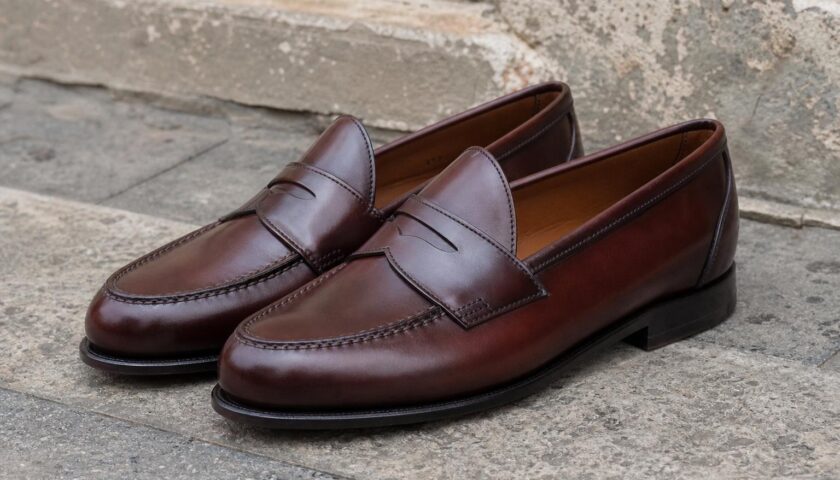
Loafers are the rare shoe that can cross the country and the calendar. They look right at a Bay Street meeting and at a Vancouver patio. They’re easy at an Ottawa museum, a Calgary graduation, or a Montreal date night. With Canada’s mix of weather and dress codes, getting loafers right takes more than grabbing the first pair that says “slip-on.” This guide cuts through the noise. You’ll learn which styles suit your life, how they should fit, what materials survive slush and salt, how to shop smart in Canadian stores (and online, without getting dinged by surprise duties), and how to keep them looking sharp for years.
Think of this as your field manual for loafers in Canada—practical, specific, and built for real streets, not just glossy lookbooks.
Why loafers deserve a spot in every Canadian wardrobe
In a country where you can wake up to sleet and eat lunch in the sun, versatility matters. Loafers are the dress shoe that doesn’t demand a suit and the casual shoe that doesn’t look sloppy. They go with denim, chinos, wide-leg trousers, and most dresses. If your office leans business casual (which covers a lot of Canadian workplaces now), loafers nail the tone—especially penny loafers and bit loafers in smooth leather. For creative or tech teams, suede loafers or chunky lug-sole loafers balance comfort and style without reading “too formal.”
They’re also practical in a uniquely Canadian way. We take our shoes off at home. We commute in winter boots and change at the office. A pair of loafers lives happily under your desk, ready for meetings and coffee runs on dry sidewalks. The slip-on format makes airport security faster at Pearson or YVR. And because you can dress them up or down, they’re the shoes you reach for by instinct, not just by outfit formula.
A quick history of loafers (and why it matters today)
Loafers started as country shoes. In the early 20th century, Norwegian fishermen wore moccasin-style slip-ons. American visitors brought the idea home, and by the 1930s, G.H. Bass launched the Weejun—named after “Norwegian.” College students tucked pennies into the saddle strap (hence “penny loafers”) and the style spread across Ivy campuses. In 1953, Gucci added a metal horsebit and gave loafers a European polish that made them dinner-appropriate. Through the 1980s on Bay Street, tassel loafers and bit loafers paired with navy suits signalled “I take business seriously, but I’m not wearing oxfords every day.”
Knowing the roots helps you pick the right pair today. Penny loafers feel American-preppy and laid-back. Bit loafers read continental and sleek. Tassel loafers sit in the middle—classic, with a hint of personality. Choose a style with the vibe that matches your wardrobe and your city. Montreal fashion is fearless; chunkier loafers and bold colours land well. Ottawa stays restrained; black or oxblood pennies fit in at Parliament-adjacent offices. Vancouver’s rainy reality likes rubber soles and treated leathers. Calgary and Edmonton reward durable builds that handle chinook cycles and temperature swings.
The main types of loafers explained
Penny loafers
The archetype. A horizontal strap across the vamp with a small cut-out slot, an apron toe, and a low heel. In black or dark brown calfskin, penny loafers are your five-days-a-week office shoe. In burgundy (often called oxblood or “cordovan colour”), they gain character that still plays nicely with navy or grey tailoring.
When to choose them: If you want one pair that does almost everything. They’re dependable with jeans and a crewneck, chinos and an oxford shirt, or a suit that isn’t strictly formal. Canadian scenario: commute in winter boots to a downtown Toronto tower, swap into penny loafers at your desk, and you’ll be conference-room ready without feeling overdressed in the elevator.
Tassel loafers
A dressier take with knotted tassels over the vamp. They carry a whiff of old-school charm without going costume. In smooth leather, tassel loafers suit lawyers, consultants, and professors who want a notch above basic. In suede, they lean more relaxed—ideal with textured sport coats, cardigans, and tailored wool trousers.
When to choose them: If pennies feel too plain but you still want office credibility. Canadian note: Tassels handle the “casual Friday” ambiguity perfectly, especially in cities like Halifax and Winnipeg where work wardrobes are classic but not stiff.
Horsebit (bit) loafers
Defined by a metal bar (often gold- or silver-toned) across the vamp. The bit adds jewelry-like polish, turning a simple slip-on into a statement. They’re favourites for weddings, dinners, and interviews where you want to look sharp without defaulting to lace-ups.
When to choose them: If you like minimal outfits with one punchy element. In Canada’s long coat season, the bit offers visual interest when most of your outfit is outerwear. A black bit loafer under a camel overcoat earns compliments in any province.
Venetian and Belgian-style loafers
Venetians skip the strap, tassel, or bit—just clean, uninterrupted leather. Belgian-style loafers are slim, often with a neat bow and a fine sole. Both feel elegant and minimal. They excel indoors and thrive as “house-to-street” shoes for condo dwellers who want to look put together without hard edges.
When to choose them: If your style leans minimalist or if you want lightweight loafers for travel and office wear. Note: very thin leather soles can be slick on wet sidewalks; consider adding a rubber topy at a cobbler if you live in rainy Victoria or Vancouver.
Kiltie and fringe loafers
A fringed flap (the “kiltie”) covers the vamp, sometimes paired with a tassel or buckle. They’re retro in a good way—something your most stylish aunt wore in the 1970s and still looks right in 2026.
When to choose them: If you enjoy heritage details and a bit of texture. In Canada, they show well with wool skirts and tights in winter, or with wide-leg trousers in fall.
Driving loafers
Flexible slip-ons with rubber pebbled soles that wrap up the heel. Fantastic for pedal feel and lazy Sundays. They pack flat and make good “inside” shoes at the office or for travel.
When to choose them: If you want slipper-level comfort and mostly plan to wear them indoors or on dry pavement. Canadian caution: the nubby soles wear fast on rough sidewalks and offer little grip on ice. Treat them like summer or indoor loafers, not all-season commuters.
Lug-sole and platform loafers
Chunkier soles with deep tread and sometimes a platform height boost. They nod to runway trends while staying practical. The traction helps on wet sidewalks, and the extra sole lifts leather away from slush.
When to choose them: If you want both style and stability. Ideal for Vancouver rains, Toronto shoulder season slush, and any city with uneven sidewalks. Just mind that very heavy soles can feel clunky if you walk long distances; try a pair with lightweight EVA or hybrid rubber compounds.
Loafer mules and backless slip-ons
Same look up front, breezy exit in the back. They’re essentially loafers turned mules. Easy on, easy off—good for home and office environments where you change shoes at the door.
When to choose them: If breathability and convenience top your list. In a Canadian winter, they’re best as indoor shoes. Bring them in a tote and change at work.
Materials and construction: what to look for
Leathers: full-grain, corrected-grain, patent, suede, nubuck
Full-grain leather is the gold standard: the outermost layer of the hide, minimally corrected. It ages beautifully, develops a patina, and resists water better than cheaper finishes (with proper care). Calfskin is common for dress loafers—fine-grained and supple. Pebble-grain leather hides scuffs and pairs well with smart-casual wardrobes.
Corrected-grain leather is sanded and coated for a uniform look. It’s more affordable and low-maintenance but won’t age as gracefully. If you’re buying your first pair on a budget, corrected-grain isn’t a crime—just manage expectations.
Patent leather is high-gloss and formal. It’s striking with tuxedo-adjacent outfits but can look out of place day to day. Good for black-tie weddings; not for salted sidewalks.
Suede and nubuck are soft and rich. Suede is the flesh side of the hide; nubuck is the grain side buffed to a velvety finish. Both reward care. With a protector spray and a suede brush, they handle Canadian fall and cool spring days beautifully. They’re less happy in slush or heavy rain unless you choose versions with rubber soles and treated uppers.
Vegan and fabric options
Options now include polyurethane (PU), bio-based materials (like cactus, apple, or corn blends), and knit uppers made from recycled fibers. The upside: lighter weight, often breathable, and animal-free. The trade-off: longevity and repairability can lag behind full-grain leather, though some pairs impress.
Shopping tip for Canada: check return policies and product pages for temperature tolerance. Some PU materials stiffen in cold Alberta mornings. Look for brands that publish abrasion and flex tests or that offer rubber-lug outsoles for winter traction.
Soles: leather, rubber, commando, city rubber, EVA
Leather soles look sleek and glide across carpet. On Canadian sidewalks, they can be slippery and vulnerable to salt. If you love the dressy profile, ask a cobbler to add a thin rubber “topy” sole protector. It barely changes the silhouette but transforms durability and grip.
Rubber soles range from subtle (thin “city” rubber) to bold (commando lug). City rubber gives you grip without shouting; commando adds traction for slush days and uneven pavement. EVA and other foam compounds reduce weight but vary in durability—great for comfort, less so for endless winters.
Look for soles with defined heel edges and some siping (small cuts) if you’ll walk in rain or light snow. Avoid glassy-smooth outsoles if icy patches are part of your commute.
Construction methods: cemented, Blake, Goodyear welt, stitchdown
Cemented (glued) construction is common and keeps costs down. Many fashion-forward loafers use it. If you plan to wear the pair hard, a cemented shoe with a quality outsole and sturdy upper still makes sense, but resoling options are limited.
Blake stitch runs a stitch through the insole and outsole. It yields a sleek profile, particularly on penny and bit loafers. Resoling is possible with a competent cobbler.
Goodyear welting adds a leather or synthetic welt stitched to the upper and insole, then the outsole attaches to the welt. It’s robust and easier to resole multiple times. The profile is a bit chunkier, which works well on lug-sole loafers and classic tassels. Stitchdown (less common on loafers) flanges the upper outward before stitching—durable and casual.
In Canada, where ground conditions change fast, resolable construction pays off. When you can swap a worn sole after winter, you stretch your dollars and reduce waste.
Linings, insoles, and support features
Full leather linings breathe well and mould to your foot. Textile linings can add softness and help manage moisture. If you use orthotics, look for loafers with removable insoles; brands known for comfort (Ecco, Vionic, Clarks, Rockport, some Cole Haan) often include them. Arch support varies widely—try on late in the day when your feet are slightly swollen to gauge comfort.
Cushioning in the heel and a firm heel counter (the part that cups your heel) reduce slip. If a loafer feel like a flip-flop out of the box, keep looking.
Fit and sizing for Canadian shoppers
How loafers should fit out of the box
Loafers should feel snug across the width and over the instep on day one—snug, not painful. Expect a small amount of heel slip at first (up to about 3–6 mm). As the leather softens, that motion should settle. If your heel rockets out when you walk, the last shape doesn’t match your foot.
Key check: stand and wiggle your toes. You want a thumb’s width of space in front of your longest toe. The vamp shouldn’t crush your instep. Walk on a hard surface; if the collar bites your ankle bone, try a different last or a pair with padding at the collar.
Widths, lasts, and instep considerations
Canada uses US sizing conventions in most stores. Width letters matter: for men, D=standard, E/EE=wide, C/B=narrow. For women, B/M=standard, D=wide, C=slightly wide, AA=narrow. Many fashion brands skip width options; comfort and heritage brands are better bets if you have wide or narrow feet.
High insteps can struggle with low-cut loafers. Look for pairs with more generous vamp height or softer leathers. Moc-toe and handsewn styles often give more vertical room. If you have a low-volume foot, Venetian loafers or slimmer Belgian-inspired silhouettes can hug better.
US/UK/EU size conversions
Conversion charts vary by brand. Use these as a starting point, then check the brand’s own guide—and read Canadian customer reviews for context.
| Men’s US | Men’s UK | EU | Approx. Foot Length (cm) |
|---|---|---|---|
| 7 | 6 | 40 | 25.0 |
| 8 | 7 | 41 | 26.0 |
| 9 | 8 | 42 | 27.0 |
| 10 | 9 | 43 | 28.0 |
| 11 | 10 | 44 | 29.0 |
| 12 | 11 | 45 | 29.5–30.0 |
| Women’s US | Women’s UK | EU | Approx. Foot Length (cm) |
|---|---|---|---|
| 6 | 4 | 36–36.5 | 23.0 |
| 7 | 5 | 37–37.5 | 24.0 |
| 8 | 6 | 38–38.5 | 25.0 |
| 9 | 7 | 39–40 | 26.0 |
| 10 | 8 | 40–41 | 27.0 |
| 11 | 9 | 42 | 27.5–28.0 |
Half sizes and volume vary. If you’re between sizes, consider how you’ll wear them: with thin dress socks, no-show socks, or thicker wool.
Trying on in-store vs online returns policies in Canada
In-store, shop late afternoon when your feet are at their largest. Bring the socks you plan to wear. Walk on firm flooring, not just carpet. Sit, stand, and climb a few stairs if possible.
Online, look for Canadian return labels and free returns. Many retailers—Hudson’s Bay, Simons, Browns, Harry Rosen, and Sport Chek for casual styles—offer straightforward return policies, but read the fine print on worn soles. For Quebec shoppers, the province’s consumer protection rules include a strong legal warranty of durability that may support you if a product fails prematurely under normal use. In other provinces, check the retailer’s warranty and the manufacturer’s policy. Keep the box until you’re sure; many stores won’t take back worn pairs that show outdoor scuffs.
Orthotics and foot conditions
If you use custom orthotics, target loafers with removable insoles and generous depth. Comfort-focused brands in Canada often note orthotic compatibility. For plantar fasciitis, look for a slightly raised heel, good arch structure, and firm heel counter. Flat, floppy loafers can aggravate heel pain. If in doubt, ask a Canadian chiropodist or podiatrist; many clinics keep sample shoes on hand to evaluate fit with your orthotics.
Styling loafers for real Canadian life
Office and business casual across Canada
Bay Street and downtown Calgary: black or dark brown penny or bit loafers in calfskin with thin rubber soles look professional and handle quick trips out of the building. Pair with wool trousers and a dress shirt; add a blazer for meetings. Keep the shine subtle, not mirror-gloss, for modern polish.
Ottawa and provincial government offices: tassel or penny loafers in oxblood or dark brown soften the formality without losing authority. Combine with navy suits or sport coats over knit polos. In winter, carry them in a shoe bag and switch from your snow boots at the office.
Vancouver, Victoria, Halifax, and St. John’s: embrace weather-ready details. City rubber soles, treated leather, and even lug soles keep you upright in the rain. Suede is fine if you spray protect and avoid downpours. Knit ties and technical trousers pair well with sleek loafers for a blended dress-casual look.
Weekend and casual looks: jeans, chinos, shorts
Jeans and loafers are close friends. Dark denim with penny loafers reads classic; lighter washes with suede tassels feel off-duty. Roll the hem slightly to keep it off the shoe if sidewalks are wet. For chinos, olive or tan pairs beautifully with chocolate-brown loafers.
Shorts and loafers stir debate. In Canada’s short summer, it works with the right elements: driving loafers or slim Venetian loafers, no-show socks, and a polo or camp-collar shirt. Keep the shorts tailored, not basketball-baggy. It’s a cottage or boardwalk look, not a downtown financial district uniform.
Dresses and skirts: women’s and gender-inclusive styling
Loafers ground fluid fabrics. A bit loafer under a slip dress adds structure; a chunky platform loafer under a mini balances proportions. For midi skirts, penny loafers elongate the line—especially in black or a colour that matches your tights.
Canadian winters call for tights or wool socks. Black tights with black loafers create a clean leg line that works with everything from sweater dresses to pleated skirts. If you prefer colour, oxblood loafers with navy tights are quietly striking.
Socks, no-show socks, and tights for Canadian seasons
No-show socks keep ankles clear in summer and indoors. Go for silicone heel grips and merino blends to prevent slipping and odour. In spring and fall, thin wool dress socks regulate temperature better than cotton. Winter asks for boot socks; choose pairs that don’t stretch your loafers out. If you’ll swap to boots outside, stash thicker socks in your bag and keep lighter socks at your desk with your office loafers.
Special events: weddings, convocations, interviews, court
Weddings: bit loafers or sleek pennies in black or deep brown complement suits. If the dress code leans black tie optional, patent loafers can work—choose a pair with a thin rubber outsole if you’ll be walking outside between venues.
Convocations: tassel or penny loafers look timeless in photos and won’t fight the gown. Keep them comfortable; ceremonies run long.
Interviews and court: conservative styles win. Black penny or tassel loafers with a subtle sole are safe across provinces. In very formal contexts, closed-lace oxfords remain the most traditional, but well-polished loafers are widely accepted in business-casual legal and finance settings in Canada.
Weather-proofing your loafer game
Spring slush and salted sidewalks
Salt is the enemy. It dries leather and leaves white tide marks. Wear rubber or lug-sole loafers with treated leather on messy days, or commute in boots and change at the office. After exposure, wipe shoes with a damp cloth as soon as you can. Don’t let salt dry on the surface overnight.
Consider galoshes—rubber overshoes that slip over loafers. They’re back in style among people who like their footwear to last. In Montreal and Toronto shoulder seasons, they earn their keep in a week.
Summer heat
Choose breathable uppers (unlined suede, perforated leather, or knit). Leather linings beat synthetics for sweat management. Use cedar shoe trees overnight and rotate pairs to prevent odour. Driving loafers shine here—just keep them on dry pavement.
Fall rain, Vancouver edition
Pick loafers with grippy rubber soles. Pre-treat suede thoroughly or stick to pebble-grain leather. Keep a small microfiber cloth at your desk to buff off rain spots. In very wet spells, consider waterproof loafers or hybrid styles that borrow weatherproof membranes from outdoor shoes—looks are improving fast in this category.
Winter strategies: commute boots + office loafers
In most Canadian cities, true winter means wearing boots outside. Store loafers at work, either in a drawer with cedar shoe trees or a breathable shoe bag. If you must wear loafers outdoors in winter, choose lug soles, treated leather, and warm socks. Watch for black ice—smooth leather soles are risky, full stop.
Salt hits hard in January and February. Keep a small kit at the office: damp cloth, diluted white vinegar in a travel spray (one part vinegar, two parts water), a neutral cream, and a brush. Quick action prevents permanent rings.
Care, cleaning, and repair in a Canadian context
Basic care kit (Canadian brands to buy)
You don’t need a shoeshine throne to maintain loafers. Start with:
- Horsehair brush (large) for dusting and buffing
- Cleaner/conditioner suitable for smooth leather
- Cream polish that matches your shoe colour, plus a neutral cream
- Protective spray for suede and nubuck
- Suede brush and eraser block
- Cedar shoe trees (one pair per shoe, ideally)
- Microfiber cloths
In Canada, quality products are easy to find through retailers like Simons, Harry Rosen, and specialty shops, as well as Canadian brands such as Moneysworth & Best (widely sold at Canadian Tire and many shoe stores). If you prefer premium European care lines, many independent boutiques and online Canadian sellers carry them.
Salt stain rescue step-by-step
Salt marks look dramatic but are very fixable if you act fast.
- Wipe off loose residue with a damp cloth.
- Mix one part white vinegar with two parts water. Lightly dampen a cloth with the solution.
- Gently wipe the stained area, blending into surrounding leather to avoid tide lines. Don’t soak.
- Let dry away from heat sources. Stuff with paper or insert shoe trees to hold shape.
- Condition with a light application of leather conditioner once dry, then apply cream polish and buff.
For suede: after step two, blot with a cloth, let dry fully, then brush with a suede brush to raise the nap. If a ring persists, a suede eraser can help—go gently.
Suede and nubuck care
Before wearing, apply two light coats of protector spray, letting each dry thoroughly. After use, brush in one direction to remove dust. For scuffs, the suede eraser is your friend. Avoid heavy conditioners on suede; they flatten the nap. If suede gets soaked, stuff with paper, let it dry slowly, then restore the nap with a brush. A cobbler can steam and revive flattened suede if needed.
When to resole or repair, and what it costs in Canada
Signs you need help: the outsole is worn through to the midsole, the heel stack is uneven, or stitching has abraded on Blake/Goodyear-built pairs. Don’t wait until holes appear; early intervention is cheaper and keeps the upper intact.
Typical Canadian pricing varies by city and construction, but expect rough ranges:
- Rubber heel replacement: $25–$60 CAD
- Full rubber sole replacement (cemented pairs): $60–$120 CAD
- Blake/Goodyear resole with rubber: $120–$220 CAD
- Leather outsole with rubber topy: $180–$300+ CAD
Ask your cobbler about adding thin rubber protectors to leather soles, replacing flimsy heel lifts with durable rubber, and conditioning uppers during service. Well-known repair shops exist across major cities (for example, specialty cobblers in the GTA, Vancouver, Calgary, and Montreal). Check reviews, ask to see sample work, and bring your loafers clean so they can assess the leather accurately.
Smart budgeting: what good loafers cost in Canada
Price tiers and value picks (CAD)
Prices shift with exchange rates, but these tiers hold steady:
- Entry (roughly $60–$150): fashion-forward loafers from fast-fashion and mall brands. Cemented construction, synthetic linings common. Good for trying trends like platform loafers without a big spend.
- Mid-tier (about $150–$350): brands focused on comfort and daily wear—Ecco, Clarks, Geox, Cole Haan, Johnston & Murphy, and similar options at Hudson’s Bay, SoftMoc, Browns, and Little Burgundy. Expect rubber soles, removable insoles on many models, and decent uppers.
- Upper mid ($350–$650): better leathers, Blake or occasional Goodyear construction. Look at premium lines within mainstream brands and selected imported makers available at Harry Rosen, Simons, Gravitypope, and independent boutiques.
- Premium ($650–$1,200): heritage makers and luxury fashion labels. Goodyear welts more common, refined lasts, and high-quality calf or suede. Allen Edmonds, Carmina, Crockett & Jones (selected stockists), and fashion labels’ bit loafers live here.
- Luxury and designer ($1,200+): top-tier Italian or French houses. Craft is excellent; price includes brand cachet. Not always built with resoling in mind, so inspect construction.
Value tip: a $300–$500 Goodyear-welted or well-executed Blake-stitched loafer you resole twice outlasts a $150 pair you replace every year. Cost per wear matters more than sticker shock.
Where to buy: national retailers and indie shops
Across Canada, large retailers like Hudson’s Bay, Simons, Harry Rosen, Browns, Little Burgundy, SoftMoc, and Aldo carry wide selections of loafers for different budgets. Specialty boutiques such as Gravitypope (with locations and a strong online presence) curate higher-end and hard-to-find makers. Department store outlets and brand outlets can be goldmines off-season.
Canadian-founded brands to watch: Poppy Barley (Edmonton-based, known for transparency and comfort-driven designs, with production outside Canada), Maguire (Montreal-based with fashion-forward loafers, produced in Europe), and Aldo Group labels (broad availability). True domestic manufacturing is rare for loafers, but some Canadian bootmakers offer slip-on styles occasionally; check current collections if buying local production matters to you.
Sales cycles, outlet stores, and second-hand options
Boxing Week, Black Friday, mid-season, and end-of-season sales are key in Canada. Sign up for retailer newsletters for early access. Outlet malls near major cities often stock last-season colours at solid discounts.
Second-hand is thriving: consignment boutiques in Toronto, Montreal, and Vancouver regularly get premium loafers; online platforms like Poshmark Canada, Facebook Marketplace, eBay, and Grailed list everything from gently used pennies to rare designer bits. Inspect photos for outsole wear, heel drag, and cracked leather. Budget for a professional clean, new insoles, and possibly a heel replacement.
Cross-border shopping, duties, and returns
Buying from US sites can unlock selection and sometimes lower base prices, but factor in currency conversion, shipping, taxes, and potential duties. Under current trade rules, preferential duty rates may apply if the shoes are made in the US or Mexico and shipped by courier, but taxes (GST/HST/QST) still generally apply above low thresholds. If the shoes are made elsewhere (Italy, Spain, Portugal, China) and shipped into Canada, duties may be charged regardless of where the retailer is based. Check the retailer’s Canadian shipping page for landed-cost options (prepaid duties and taxes) and confirm return logistics—cross-border returns can be costly.
Sustainability and ethical choices
Materials and certifications
Look for responsibly tanned leathers (LWG-certified tanneries), recycled content in linings, and durable outsoles. Vegetable-tanned leather ages beautifully but may require more care; chrome-tanned leather is common, with better water resistance out of the box. For vegan loafers, seek transparency on material composition and end-of-life plans; some brands now take back worn pairs for recycling.
Buy less, buy better, maintain
Sustainability isn’t a logo—it’s practice. A resolable loafer you maintain, rotate, and repair has a lower footprint than a series of disposable pairs. Use cedar trees to extend life, clean salt promptly, and resole before damage reaches the upper. If you move on, donate or sell to extend the product’s life cycle in the Canadian second-hand market.
Canadian brands and transparency
Canada’s footwear scene includes design-first brands that publish supplier info and sustainability goals. When a brand claims “Made in Canada,” the Competition Bureau’s guidance requires that at least 51% of direct costs occur in Canada and the last substantial transformation happens here for an unqualified “Made in Canada” claim. Many shoes are designed in Canada and made abroad; that’s fine—just read labels and product pages to understand origin and practices.
Troubleshooting common loafer problems
Heel slip and blisters
A small heel slip is normal at the start. If it persists, try:
- A thin heel grip pad to increase friction.
- Switching to slightly thicker socks or wool no-shows.
- Having a cobbler add a tongue pad to push your foot back into the heel cup.
If none of this helps, the last is wrong for your heel shape. Return or resell—don’t suffer.
Squeaking shoes
Squeaks can come from trapped moisture or insole friction. Remove insoles overnight to dry, sprinkle a tiny amount of talc under the insole, and flex the shoe gently. Leather-on-leather squeaks inside the heel can sometimes be quieted by a cobbler adding a thin lining patch.
Stretched-out loafers
Leather gives over time. If your loafers got too loose, add a thin insole or forefoot pad to snug the volume. A cobbler can also tighten a heel with a new counter lining. Avoid overusing stretching sprays or devices unless you need targeted relief; they can overshoot.
Odour control
Rotate pairs, use cedar trees, and let shoes dry 24 hours between wears. Merino socks help. For stubborn odour, use a dedicated shoe deodorizer or a light mist of alcohol-water solution (test first). Don’t machine-wash leather or suede.
Examples: building a loafer rotation for Canadian life
One-pair strategy: dark brown penny loafers with a thin rubber sole. Office to dinner, three seasons, easy to match.
Two-pair strategy: add black bit loafers for formal days and events. Now you can cover interviews, funerals, and weddings without panic.
Three-pair strategy: tack on suede tassel loafers for spring/summer and indoor winter wear. That gives texture and variety.
Weather pair: lug-sole loafers in pebbled leather for rain days. Keep them by the front door next to the umbrella.
Pro shopping tactics for Canadians
Test both feet. Many people have a half-size difference. Buy to the larger foot and adjust the smaller with an insole if needed. Walk on a hard surface in-store and step on a slight incline or stair to check heel grip.
Ask for different lasts if you’re at a specialty store. Many better makers offer multiple shapes even within the same size. The salesperson should know which last runs narrow, which has more instep room, and which to avoid if you have a high arch.
If you’re between sizes online, order two sizes from retailers with free returns. Try both on carpet. Keep the tissue in the toe so you don’t crease the vamp during testing. Return the miss promptly.
Scan Canadian reviews. Climate affects feedback; a sole that’s fine in California might be ice-rink slick in Saskatoon. Local comments will call this out.
Loafers and Canadian etiquette: small but useful notes
Homes are shoe-off zones more often than not, especially in winter. Bringing clean indoor loafers to a house party is thoughtful. Keep a tote bag in your coat closet for this—your host will appreciate it.
Schools and uniforms vary. Some private schools list black loafers as acceptable dress shoes; check the code before buying tassels or flashy bits. For public schools, durable rubber soles and scuff-resistant uppers matter more than style trends.
Care calendar: keep your loafers on track
After each wear: brush off dust and let shoes dry with cedar trees inserted. Quick 30 seconds.
Monthly (or after heavy exposure): wipe, condition lightly, and buff. Suede gets a brush and, if needed, a top-up of protector spray.
Seasonally: inspect soles and heels for wear; book a cobbler appointment before winter or before spring slush. Clean salt thoroughly at the end of winter and store with trees in breathable bags—not plastic.
Canadian-specific picks by lifestyle
Commuter who walks lots
Choose penny or tassel loafers with “city” rubber outsoles, shock-absorbing insoles, and leather uppers treated for water resistance. Keep a second pair at work to rotate.
Frequent flyer
Venetian loafers or sleek bit loafers with flexible soles make airport security and long flights easier. Look for removable insoles to slip in your own cushioning. Wear merino no-shows to manage temperature on planes between Toronto and Vancouver where cabin climate swings happen.
Creative professional
Lean into suede tassels, platform loafers, or Belgian-style silhouettes. Mix with pleated trousers, boxy blazers, and knit tees. A forest green or oxblood loafer plays well with Canadian fall palettes.
Formal-leaning but not fussy
Black bit loafers with a slight almond toe. They bridge business and evening seamlessly. Add a rubber sole for wet sidewalks and you’ll still look like you planned your outfit, not your traction.
Mistakes to skip (and what to do instead)
- Wearing smooth leather soles on ice. Instead: add a rubber topy or switch to lug soles or boots outside.
- Ignoring salt rings until the weekend. Instead: a quick vinegar-water wipe the day it happens prevents permanent damage.
- Buying too loose “for comfort.” Instead: start snug and let the leather mould.
- Assuming all loafers work with orthotics. Instead: confirm removable insoles and volume before buying.
- Using heavy wax polish every time. Instead: rely on cream polish to nourish colour; save wax for toe shine sparingly.
Frequently asked questions
Are loafers business formal enough in Canada?
In most Canadian offices with a business-casual or modern business dress code, yes. Black or dark brown penny, tassel, or bit loafers in smooth leather look appropriate with suits and tailored separates. For highly formal events or very traditional workplaces, closed-lace oxfords remain the safest bet, but well-polished loafers are widely accepted.
Can I wear loafers in winter?
Absolutely—just plan smartly. Commute in winter boots and change at work, or wear loafers with lug or grippy rubber soles on dry, cold days. Treat leather against moisture, wear warm socks, and avoid leather soles on ice. Keep salt wipes and conditioner handy.
What socks should I wear with loafers?
In summer and indoors, merino no-show socks keep things breathable and hygienic. For office wear, thin wool dress socks beat cotton for temperature control. In winter, choose midweight wool and save the chunky hiking socks for boots so you don’t stretch your loafers.
How should loafers fit?
Snug across the midfoot with minimal heel slip that diminishes after a few wears. Toes should have room to move; the vamp shouldn’t crush your instep. If your heel pops out when you walk, the shape is wrong.
Are penny loafers out of style?
No. They cycle from “classic” to “hot” and back, but they never leave. If trend-forward is your thing, try platform or lug-sole versions. If you prefer timeless, choose sleek leather with a thin rubber sole.
Can I wear loafers with jeans?
Yes. Dark jeans with penny or tassel loafers are a reliable combo. Keep the denim slim-to-straight and hemmed to avoid pooling. For light denim, suede loafers soften the contrast.
How do I remove salt stains?
Wipe with a damp cloth, then use a 1:2 vinegar-to-water solution to blend out the ring. Let dry, condition, and polish. For suede, blot, dry, then brush with a suede brush. Tackle stains the day they happen for best results.
What’s a good price for quality loafers in Canada?
Solid daily-wear pairs often land in the $150–$350 range. Expect better materials and repair options at $350–$650. Premium and designer pairs run higher. Consider cost per wear and whether the shoes can be resoled.
Are loafers okay for wide feet?
Yes—look for width options (E/EE for men, D for women) and roomier lasts. Moc-toe or handsewn styles often give more space. Comfort-focused brands and some heritage makers offer widths in Canada; try in-store when possible.
Do I need to match my belt to my loafers?
Close enough is fine day to day. Black with black is simple. For brown, aim for similar tone and finish. With casual outfits, a woven or suede belt introduces texture and doesn’t need to be a perfect match.
Can I wear loafers without socks?
You can, but use no-shows for comfort and hygiene. Leather insoles absorb sweat; without a barrier, odour builds quickly—especially in humid Ontario summers. Rotate pairs and use cedar trees.
What construction should I choose?
For everyday Canadian wear, Blake or Goodyear-welted loafers offer longevity and resoling potential. Cemented pairs are fine for fashion-forward or occasional wear. If you walk a lot outdoors, prioritize grippy soles and sturdier builds.
Where can I get my loafers repaired?
Most Canadian cities have reputable cobblers. Look for shops with strong local reviews and photos of work. Ask about sole options, turnarounds, and warranties on repairs. Bring your shoes clean so they can assess them properly.
What about “Made in Canada” loafers?
True Canadian-made loafers are uncommon. Some Canadian brands design locally and produce abroad, and many are transparent about their factories. If a product claims “Made in Canada,” Competition Bureau guidelines apply to those claims; check brand disclosures if domestic production matters to you.
Are vegan loafers durable in Canadian weather?
It depends on the material and construction. Some PU and bio-based uppers perform well with rubber outsoles, especially in rain. Extreme cold can stiffen certain synthetics. Read specs, check Canadian reviews, and consider pairs with rugged soles for traction.
How do I keep loafers from squeaking on polished floors?
Ask a cobbler to add a thin rubber sole to leather-bottom shoes, which increases grip and cuts noise. Inside squeaks often resolve by removing and drying insoles or adding a talc dusting under them.
Should I use shoe trees?
Yes. Cedar shoe trees help maintain shape, reduce creasing, and manage odour. Insert them after each wear, especially after walking in damp conditions.
Can loafers go with a tuxedo?
Patent bit or plain Venetian loafers can work for black-tie optional events. For strict black tie, opera pumps or patent oxfords are the most traditional. In Canada, many modern weddings accept sleek patent loafers—confirm the dress code.
Final word
Loafers earn their space by doing almost everything, almost everywhere in Canada. Pick the style that matches your life, choose materials and soles for your streets and season, and treat them well. You’ll walk farther, look sharper, and spend less over time. That’s a very Canadian kind of win—practical, thoughtful, and built to last.