
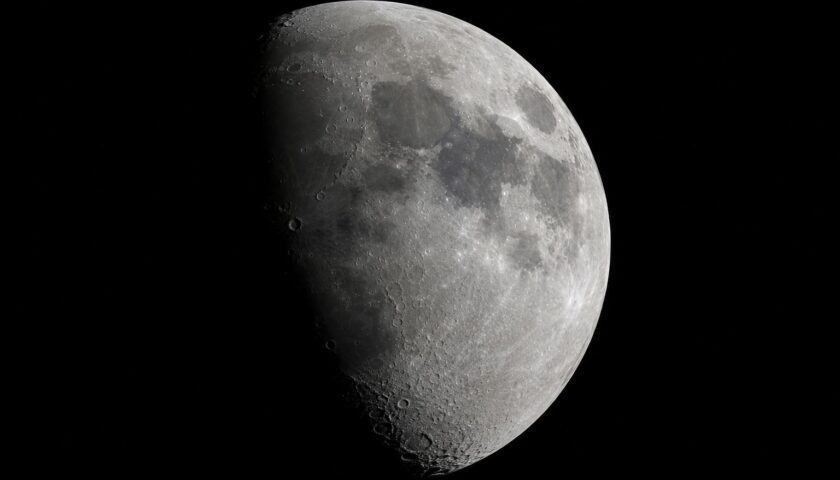
Step outside tonight and you’ll notice the Moon doing its quiet, reliable work—shaping the tides, setting the tone of the sky, and slipping between phases with clockwork precision. If you’re here to check the moon phase today in Canada, you’re also probably wondering: When will it rise where I live? Will it look bright or subtle? Is it waxing or waning? And what can I actually do with that information—beyond a quick glance?
This guide gives you a clear, practical answer for Canadian observers. You’ll learn how to check the current moon phase for your exact city in seconds, why the Moon looks different depending on where you are in Canada, the best times and places to watch, and how to plan everything from photography sessions to fishing trips using tonight’s Moon. You’ll also get smart safety pointers and Canada-specific notes on time zones, public parks, dark-sky preserves, and regulations that matter after dark.
Fast Answer: How to Check the Moon Phase Today for Your City—Accurately
Because Canada stretches across six time zones and a wide range of latitudes, “tonight” isn’t the same everywhere. The simplest way to get the exact phase, illumination percentage, moonrise, and moonset for your location is to use a reputable, real-time source and set your city correctly.
- Use a trusted astronomy app or website that lets you choose your city (or allow location services). Popular, reliable options include well-known planetarium apps and recognized astronomy sites that show “current moon phase.”
- If you prefer Canadian authorities, check resources from Canadian astronomy organizations such as the Royal Astronomical Society of Canada (RASC) and their publications, or look for local observatory pages that post nightly sky highlights.
- Set your time zone correctly, including Newfoundland Time (UTC−3:30), which is a half-hour offset and can shift “today versus tomorrow” for events near midnight.
Tip: If you’re viewing across midnight—say you’re in Vancouver and staying up late—double-check whether the event you care about (moonrise, a specific phase milestone) falls just after local midnight. That might push it into “tomorrow” for you while it’s still “today” in Toronto or Montreal.
What “Moon Phase Today” Actually Means
The Moon circles the Earth once every 29.5 days (a synodic month). As it moves, our view of the sunlit half changes. That changing sunlight pattern is what we call the lunar phases. The eight familiar stages—new Moon, waxing crescent, first quarter, waxing gibbous, full Moon, waning gibbous, last (third) quarter, and waning crescent—aren’t boxes the Moon jumps between. They’re landmarks on a smooth curve of growing and shrinking illumination.
When people ask for the moon phase today in Canada, they usually want two things: the name of the phase and the illumination percentage. Both are easy to find with a phase calculator. If you want a more hands-on approach, you can also read the sky yourself with a few simple rules that hold true from Victoria to St. John’s.
The Eight Phases—What to Expect at a Glance
Each phase brings its own look and best viewing window. Here’s how to identify what you’re seeing tonight and plan your viewing time.
| Phase | What it looks like | Best time to look | Where it sits in the sky |
|---|---|---|---|
| New Moon | Invisible (or nearly) to the naked eye | Not visible; great for deep-sky stargazing | Near the Sun; rises and sets with the Sun |
| Waxing Crescent | Thin smile of light in the west after sunset; Earthshine often visible | Just after dusk | Low in the western sky, setting within a few hours |
| First Quarter | Half-lit, right-hand side bright | Late afternoon to late evening | High in the south at sunset; sets around midnight |
| Waxing Gibbous | Mostly lit, not quite full | Evening into late night | Rises mid-afternoon; high by evening; sets before dawn |
| Full Moon | Completely round and bright | All night long | Rises at sunset, sets at sunrise; crosses south around midnight |
| Waning Gibbous | Still mostly lit, left-hand side bright | Late night to early morning | Rises in the evening; high after midnight; sets in the morning |
| Last (Third) Quarter | Half-lit, left-hand side bright | Midnight to morning | Rises around midnight; high at dawn; sets around noon |
| Waning Crescent | Delicate slice before sunrise | Pre-dawn twilight | Low in the eastern sky before sunup |
Waxing vs. Waning—The Easy Canadian Rule
In Canada (and across the Northern Hemisphere), a waxing Moon grows from right to left. If the lit side is on the right this evening, it’s waxing and getting closer to full. If the lit side is on the left before dawn, it’s waning and heading toward new Moon. Simple as that.
Why the Date and Time Zone Matter
Canada spans Pacific, Mountain, Central, Eastern, Atlantic, and Newfoundland time zones. The Moon phase doesn’t care about provincial borders, but the clock on the wall does. A first-quarter moment that lands just after midnight in Halifax could still be the previous calendar day in Winnipeg. Newfoundland’s 30-minute offset adds another wrinkle, especially if you’re coordinating with friends elsewhere in Canada.
Tonight’s Moon by Canadian City: Timing and What You’ll See
Without pulling live data, we can still set expectations that will match what you see after you check the exact moon phase today for your city. Use these as quick guides, then confirm precise times with an app or almanac:
- Vancouver and Victoria (Pacific Time): The Moon’s rise will come later on the clock compared to Eastern Canada, but the same phase will show. Mountain silhouettes often make moonrise more dramatic—expect a “pop” over the North Shore mountains or Vancouver Island ridgelines.
- Calgary and Edmonton (Mountain Time): Clear prairie skies can give long, unobstructed views. Air is often dry, which sharpens detail. If it’s a waxing crescent or first quarter, the Moon will be high and crisp during the early evening.
- Winnipeg (Central Time): On the prairies, the gibbous and full Moon can look oversized at low altitude thanks to the Moon illusion and the flat horizon. Watch for haze near the horizon in summer.
- Toronto and Ottawa (Eastern Time): Urban skylines create perfect alignment opportunities. If the phase is waxing gibbous or full, you can frame the Moon with the CN Tower or Parliament’s Peace Tower—more on how to plan that below.
- Montreal and Quebec City (Eastern Time): Cooler winter air makes for razor-sharp craters near first quarter. Around full Moon, look east from the St. Lawrence River late in the afternoon for a photogenic rise.
- Halifax, Moncton, Saint John (Atlantic Time): With a full or nearly full Moon, coastal humidity adds warm colour near the horizon—excellent for moody photographs. Tidal planning matters here; check tide tables if you’re working the shoreline.
- St. John’s (Newfoundland Time): That half-hour offset means events near midnight can “shift” nights relative to the rest of Canada. When timing a moonrise photograph at Signal Hill or Cape Spear, confirm local times carefully.
- Whitehorse, Yellowknife, Iqaluit (High latitudes): The Moon can ride very high or skim low depending on the season. Around the 18.6-year lunar standstill cycle (currently active this decade), extremes in the Moon’s path are more pronounced. Expect unusual rise/set points and long arcs that reward careful planning.
How the Moon Moves Through a Canadian Night
On any given day, the Moon rises about 50 minutes later than the previous day on average. That shift isn’t exact—it depends on the phase and your latitude—but it’s close enough to plan around. If you saw a first-quarter Moon high in the south at 8:30 p.m. last night in Saskatoon, tonight it will hit that same spot a little after 9:15 p.m.
In summer, twilight lingers at northern latitudes, so even a bright waxing crescent can be washed out until late evening in places like Edmonton or Whitehorse. In winter, the opposite holds—crystal-dark evenings arrive early, making the gibbous Moon pop by late afternoon.
The Moon’s Altitude Changes with the Seasons
In Canada’s winter, the Moon’s path can soar high at night, especially when it’s near full. In summer, it swings lower. Layer on the long, slow 18.6-year lunar standstill cycle, and the Moon’s extreme heights and lows become even more dramatic. For skywatchers, that means some winters deliver breathtakingly high Moons that clear city buildings with ease, while some summers serve low, amber rises that thread between apartment blocks.
Reading the Sky Without an App: A Simple Field Method
If your phone dies or you just prefer to go analog, you can still figure out the current moon phase—or at least get close enough to plan a photo or a walk.
- Find the lit side. Right side lit in the evening = waxing. Left side lit in the morning = waning.
- Estimate how much of the disk is bright. Half lit is quarter phase. More than half but not full is gibbous. Less than half is crescent.
- Note the time. If the Moon is high around sunset, you’re in the first quarter to waxing gibbous range. If it rises at sunset and sets at sunrise, you’re near full. If it’s a delicate sliver just before dawn, it’s a waning crescent.
- Watch night to night. A crescent fattens quickly over a few evenings. Near full, the changes are more subtle.
Planning Your Evening: A Canada-Ready Checklist
Before you head out to see the moon phase today, run through this short list so you spend more time looking up and less time troubleshooting.
- Confirm your local time zone and daylight saving status. Newfoundland’s half-hour difference catches people out.
- Check cloud cover and transparency, not just “clear vs. cloudy.” Thin cloud can soften a full Moon beautifully for photography; heavy haze will blur craters at high magnification.
- Consider wind chill or heat index. Canadian nights swing wide—bring layers or bug spray as needed.
- If photographing, scout your foreground in daylight. Know your vantage points and exit routes.
- Tell someone where you’re going if you’re heading to a remote dark-sky site.
Dark-Sky Gold in Canada: Where the Moon Steals the Show
Many people chase new-Moon weekends for deep-sky observing, but a bright Moon can be the main attraction. Canada is blessed with superb places to watch it rise over wild horizons or roll across truly dark skies:
- Jasper National Park (Alberta): One of the world’s largest accessible dark-sky preserves with endless sightlines. A waxing gibbous Moon paints the peaks in silver.
- Wood Buffalo National Park (Alberta/Northwest Territories): Vast, remote, and inky. A full Moon reflecting off lakes here is unforgettable.
- Grasslands National Park (Saskatchewan): Razor-flat horizons mean textbook moonrises and moonsets, perfect for alignment shots.
- Kejimkujik National Park (Nova Scotia): A well-known dark-sky preserve where crescent Moons glow with vivid Earthshine above quiet waters.
- Mont-Mégantic International Dark Sky Reserve (Quebec): Outstanding public programming and pristine skies. First-quarter lunar views through telescopes here turn newcomers into regulars.
- Torrance Barrens Dark-Sky Preserve (Ontario): Great for southern Ontario observers. A gibbous Moon hovering over the shield rock makes for striking long exposures.
Note: Parks Canada sites have rules about after-hours access and lighting. If you visit at night, follow posted regulations, keep lights low (use a red headlamp), and respect wildlife. Recreational drone use is generally prohibited in national parks without a permit. If you’re a licensed RPAS pilot flying outside parks at night, Transport Canada requires appropriate lights and compliance with all airspace restrictions—always check Notices to Airmen and municipal bylaws.
Moonlight and the Water: Tides, Fishing, and Coastal Sense
On Canada’s coasts, the Moon’s phase pairs with the Sun to shape spring and neap tides. Around full and new Moon, when the Sun, Earth, and Moon align, tides are more extreme (spring tides). Around first and last quarter, tides are more moderate (neap tides). Coastal geography heavily modulates this—hence the enormous ranges in the Bay of Fundy compared with the gentler tides along parts of British Columbia’s Inside Passage.
If your plans depend on water levels—kayaking tidal flats in New Brunswick, exploring mudflats in Nova Scotia, clamming on Vancouver Island—consult official tide tables from Fisheries and Oceans Canada. Weather, wind setup, and low-pressure systems can stack water on top of predicted tides, so the Moon is only part of the story.
Anglers often track the current moon phase looking for patterns in fish activity. Scientific support for a universal “lunar bite window” is mixed, but many experienced Canadian fishers notice subtle boosts around moonrise/moonset and during spring tides—particularly in saltwater. It’s worth logging your own data: species, tide stage, phase, weather, and time. Over a season, your notes beat any generic chart.
Night Outdoors in Canada: Safety, Regulations, and Courtesy
Moonlight invites late hikes, paddles, and scenic drives. A few Canada-specific realities keep it fun and safe:
- Hunting and firearms: In most Canadian provinces and territories, legal hunting hours for big game end at sunset or up to 30 minutes after. Spotlighting (“jacklighting”) wildlife with artificial light is illegal. Always consult your provincial/territorial regulations before any outing that could overlap with hunting seasons, and wear high-visibility gear during active seasons.
- Parks access: Some municipal or provincial parks close at dusk; others allow night access but restrict fires or vehicle traffic. Check local rules beforehand.
- Roads and wildlife: Full Moon nights can boost roadside animal visibility but also animal movement. Slow down on rural highways, especially in deer and moose country.
- Cold and heat: Prairie cold snaps, coastal wind chills, and northern temperatures can turn on a dime. Dress in layers, protect your hands for camera operation, and bring spare batteries (they drain faster in cold).
- Respect communities: If you’re setting up tripods on a residential street to catch a moonrise behind a skyline, be considerate. Don’t block sidewalks or shine bright lights into windows.
Astrophotography: Turning Tonight’s Moon into a Memorable Image
The Moon is the most forgiving night-sky subject you can photograph. It’s bright, it moves slowly across the frame, and even a modest camera shows craters. Your setup and technique should match tonight’s moon phase.
Settings That Just Work
- For a standalone Moon close-up (DSLR/Mirrorless): Start with the “Looney 11” rule—set f/11, ISO 100, and a shutter speed around 1/100 second. Adjust a stop or two based on your camera and the Moon’s altitude (lower Moons often look warmer and dimmer through more atmosphere).
- For a Moon-over-landscape shot: Expose for the landscape and blend with a shorter exposure for the Moon, or shoot at blue hour when the sky still holds colour. A tripod is essential.
- For smartphones: Use a telephoto camera if your phone has one. Lock focus and exposure on the Moon (tap-and-hold), then reduce exposure until detail appears. Brace the phone or use a small clamp on a railing.
Phase-by-Phase Photo Ideas
- Waxing Crescent: Capture Earthshine—the dim glow on the dark side—shortly after sunset. A shoreline in Halifax or Vancouver adds reflection and context.
- First Quarter: The terminator (the day–night boundary) reveals crisp relief. Even binoculars show dramatic shadows along crater rims.
- Waxing Gibbous: Ideal for city alignments. Frame it with the Calgary Tower, CN Tower, or Château Frontenac. The Moon is bright but not blindingly so, and you still see surface texture.
- Full Moon: Go long-lens for a horizon-rise illusion. Position yourself several kilometres from a landmark to make the Moon look huge behind it—Peggy’s Cove Lighthouse, Lions Gate Bridge, the Peace Tower. Plan using azimuth and elevation tools.
- Waning Crescent: Pre-dawn minimalism. Think silhouettes—grain elevators on the Prairies, fishing stages in Newfoundland, totem poles on Haida Gwaii.
Planning an Alignment in a Canadian City
Say you want the full Moon to rise behind the CN Tower in Toronto. Here’s the reliable process:
- Pick the landmark and your shooting distance (1–10 km is common for a big apparent Moon).
- Use a planner app that shows moonrise azimuth and your landmark’s bearing as viewed from various streets or parks.
- Adjust your position along that bearing until the azimuth lines match for your target date and time.
- Arrive early; small shifts in your standing point move the Moon relative to the tower. Be ready to nudge a few metres left or right.
- Keep a second composition in mind—the Moon moves its own diameter every two minutes or so.
Binoculars and Telescopes
- Binoculars (7×50 or 10×50) are perfect for quarter phases. Handheld, you’ll still see major craters and the Mare Imbrium basin.
- Small telescopes (80–130 mm) are moon specialists. Use low power to fit the whole disk, then bump magnification for the terminator. You’ll be surprised how well the Moon “takes” magnification compared to faint nebulae.
- Filters: A neutral density or variable polarizing filter can tame glare near full Moon, but many observers simply lower magnification and let their eyes adapt.
Advanced treat: Around first quarter, watch for the “Lunar X” and “Lunar V”—letter-like light patterns that flicker into view at the terminator for an hour or two. They’re timing-sensitive. Check an almanac or phase app for predictions and be on the eyepiece when the shadows are just right.
Daylight Moons and Other Surprises
Seeing the Moon by day in Canada is absolutely normal. A first-quarter Moon shines high in the afternoon sky; a waning gibbous lingers into the morning commute. The blue-sky contrast actually sharpens crater edges through binoculars, and it’s a great time to share a quick look with kids or passersby.
Another surprise is colour. Near the horizon, Canadian humidity, smoke, or thin ice fog can paint the Moon in amber, orange, even deep red. That’s not the Moon changing—it’s our atmosphere filtering and scattering light.
Using Tonight’s Moon for Learning—At Home or in Class
Hands-on models make the phases intuitive. Here’s a simple approach that works in a living room, school gym, or community centre:
- Place a bright lamp (the Sun) in the centre of the room.
- Hold a white ball (the Moon) at arm’s length and walk around yourself, turning slowly. Your head is the Earth. Watch the ball’s “phase” change as seen by your eyes.
- Pause at the positions where the half is visible (first and last quarters), then at full and new positions.
- Repeat the circuit, this time noting when the Moon would rise or set based on its position relative to you and the “Sun.”
This simple exercise explains why the full Moon rises at sunset and why a waning crescent is a pre-dawn companion. It also demonstrates why everyone in Canada sees essentially the same phase on the same date—even if rise and set times differ widely.
Culture, Calendars, and Respect
Many communities in Canada, including Indigenous Peoples, align seasonal knowledge, ceremonies, and activity rhythms with the Moon and its cycles. Full Moons have traditional names in several languages that reflect local seasons and land-based knowledge. If you’re sharing or teaching about cultural lunar names, use community-sourced references and context from that Nation or region, especially when working with students or at public events. Avoid generalizing across diverse cultures.
The Islamic calendar is lunar; the start of months depends on the first visible crescent, and local sighting practices can vary. For observances in Canada, check announcements from regional Islamic councils or mosques. For Jewish holidays, which follow a lunisolar calendar, the full Moon often aligns with the middle of the month. If you’re planning community events around the moon phase today, coordinate with local calendars rather than assuming a single national standard.
Common Myths vs. What Evidence Shows
Does the full Moon cause more crime or hospital admissions? Decades of studies haven’t found strong, consistent evidence for broad behavioural effects. What you might notice are changes in human activity patterns—more people outdoors late because it’s bright—or confirmation bias when dramatic events stick in memory. None of that takes away from the full Moon’s emotional pull. It just means we should enjoy it without giving it powers it doesn’t claim.
Moonrise, Moonset, and Time Zones in Canada
When planning “tonight’s Moon” across provinces, this quick time zone snapshot helps avoid mixed signals:
| Time Zone | Offset (standard time) | Notes |
|---|---|---|
| Pacific (PT) | UTC−8 | BC and Yukon observe DST on varying schedules historically; confirm local rules |
| Mountain (MT) | UTC−7 | Alberta, parts of BC and NWT; some areas don’t observe DST |
| Central (CT) | UTC−6 | Manitoba, parts of Saskatchewan and Nunavut; much of Saskatchewan does not observe DST |
| Eastern (ET) | UTC−5 | Ontario, Quebec (majority), Nunavut (parts) |
| Atlantic (AT) | UTC−4 | New Brunswick, Nova Scotia, PEI |
| Newfoundland (NT) | UTC−3:30 | Newfoundland and part of Labrador; unique half-hour offset |
For events near midnight, check both the date and local time carefully. If you’re coordinating a shoot from Ottawa with a friend in St. John’s, that 30-minute difference can flip “tonight” into “tomorrow morning” very easily.
What the Moon Phase Means for Stargazing Tonight
Moonlight brightens the sky, which is wonderful for landscapes but rough on faint galaxies. Plan accordingly:
- New to Waxing Crescent: Best for Milky Way views in places like Grasslands National Park or Jasper.
- First Quarter to Gibbous: Great for the Moon itself, planets, double stars, and bright clusters.
- Full Moon: Ideal for night hikes, coastal photography, and public outreach. Save deep-sky targets for another night.
A full Moon delivers roughly a few tenths of a lux on the ground in clear conditions—enough to cast shadows and make trails readable once your eyes adapt. Bring a red-light headlamp to preserve night vision for map reading and to avoid dazzling fellow observers.
A Practical “Tonight” Planner You Can Reuse
Use this template alongside any real-time app to translate the moon phase today into a straightforward plan:
- Phase and illumination: Note “waxing gibbous, 87%” (example). Decide: detail on the terminator or a skyline rise?
- Rise/set and transit times: Add an hour before rise for setup; add 20–30 minutes for scouting and parking.
- Direction: Write the azimuth for rise/set (e.g., 107° ESE). Choose a vantage with a clear horizon in that direction.
- Weather and seeing: Wind, humidity, smoke. If hazy, switch to wide-angle compositions and silhouettes.
- Backup: If clouds roll in, shoot city nightscapes or try a time-lapse with cloud breaks revealing the Moon.
Advanced: Why Phases Don’t Line Up Perfectly with Rise/Set Times
It’s tempting to expect first quarter to rise exactly at noon and set at midnight, or full Moon to rise exactly at sunset. Those are good approximations, but the Moon’s orbit is tilted and elliptical. Latitude, the Moon’s declination, and the date all bend those neat rules. In northern Canada during certain parts of the lunar standstill cycle, the Moon may graze the horizon for many hours or skim low arcs that make rise times feel unusual compared to southern cities. Don’t worry—your phase is still “right.” The clock is just bending around geometry.
If You’re New: A No-Jargon Explanation of the Phases
Picture the Moon as a ball half lit by the Sun. That never changes. What changes is our viewing angle from Earth. As the Moon orbits, we see different portions of the lit half. Near new, we’re looking at the dark half. Near full, we’re seeing the lit half face-on. Crescents happen when we see just a sliver of the lit side. Quarters happen when the Sun–Earth–Moon angle is 90 degrees, so we see half of the lit side and half of the dark side—literally half a pie.
Nothing is “glowing” on the dark part of a crescent except Earthshine—sunlight reflected from Earth onto the Moon and back. On a clear evening in Canada, that ghostly glow is one of the prettiest sights you can share with someone who’s never noticed it before.
Photography Reference: Quick Settings by Scenario
| Scenario | Starting settings | Notes |
|---|---|---|
| Moon close-up (telephoto) | f/8–f/11, ISO 100–200, 1/60–1/200 s | Manual focus; use live view at 10× to focus on a crater edge |
| Moon with skyline (blue hour) | f/5.6–f/8, ISO 200–800, 1/10–1 s | Tripod; time it so the sky isn’t black yet; blend exposures if needed |
| Moonrise over water | f/8, ISO 200–400, 1/4–1/30 s | Polarizer off; consider a graduated ND for a brighter sky |
| Smartphone telephoto | Tap-hold to lock focus/exposure; slide exposure down | Brace the phone; shoot bursts; pick the sharpest frame |
| High magnification through telescope | Short exposures (1/500–1/2000 s), high frame-rate video | Stack frames in software for detail; avoid nights of bad seeing |
Accessibility Tips for Night Skywatching
Night outings can be adapted for comfort and inclusion:
- Choose paved paths and accessible viewpoints in city parks for moonrise nights.
- Bring folding chairs with armrests and blankets; cold concrete bleeds heat fast.
- Use audio descriptions: “The Moon is a three-quarters circle, bright on the right, cream-coloured, with a sharp line of shadow revealing mountains.”
- Keep white light to a minimum for fellow observers; use shields or dimmers on necessary lights.
Troubleshooting: Why Didn’t the Moon Look Like the App Promised?
- Haze low on the horizon: Early rises look huge but mushy. Wait 10–20 minutes for the Moon to climb above the thickest air.
- Refraction: The atmosphere bends light, lifting the apparent position when the Moon hugs the horizon. Your careful alignment might need a minor on-site tweak.
- Time zone slip: Newfoundland’s half-hour or a DST switch can nudge your schedule. Always cross-check local time in your app settings.
- GPS accuracy: Urban canyons can fool your map position by tens of metres. Manually drop your pin at your actual vantage point to refine alignments.
Building a Personal Lunar Calendar (Canada Edition)
Even with perfect apps, keeping your own notes helps you anticipate how the moon phase today will play from your usual spots:
- Log the date, city, and phase name plus illumination percent.
- Note rise time, where on the horizon it appeared (use landmarks), and when colours shifted from orange to white.
- Record weather, temperature, and wind. Include any fog, smoke, or aurora near the horizon (yes, the Moon and aurora sometimes share the sky—especially in the Prairies and the North).
- Add what worked for photos: lens, focal length, exposure, and any alignment success or near-miss.
After a couple of months, you’ll predict what the Moon will do from your balcony or favourite park almost as well as an app—plus you’ll know how local weather and geography tint the view.
When the Moon Goes Missing: New Moon and Deep-Sky Nights
New Moon nights are not about the Moon at all—they’re about everything else. If the forecast is clear during a new Moon phase in Canada, you can see the Milky Way arc from dark sites like Wood Buffalo or Mont-Mégantic. If you’re in a city, drive 30–60 minutes to reduce skyglow. Even in the GTA, heading to the Niagara Escarpment or the shores of Lake Simcoe can transform your sky.
New Moon is also the safest time to try your first real deep-sky astrophotos. Start with a short, wide-angle exposure of the Milky Way. Learn the “500 rule” as a rough guide to avoid star trails: maximum exposure (seconds) ≈ 500 divided by your lens focal length (full-frame equivalent). A tracking mount is even better, but not required to begin.
Lunar Eclipses: Special Guests on the Calendar
A lunar eclipse happens when Earth’s shadow falls on the Moon—only at full Moon, and only when the Moon crosses the plane of Earth’s orbit at just the right moment. Total lunar eclipses are visible anywhere it’s night, which often includes large swaths of Canada. If an eclipse is coming up, check local times and where the Moon will be in your sky. Coastal fog, prairie smoke, or winter cloud can change your plans—have a backup site in mind.
During totality, the Moon turns copper to blood-red. The exact shade depends on global atmospheric conditions. Photographers: bracket your exposures generously. Observers: bring a chair, warm drink, and patience; the slow unfolding is part of the magic.
Working With the Moon in Everyday Life
Beyond photos and skywatching, the current moon phase quietly shapes routines:
- Camping: Full Moon nights can make tent setup and late walks easy without headlamps. New Moon nights are for stargazing talk around a dim camp lantern.
- Gardening: Some Canadians follow lunar planting calendars. Research is mixed on outcomes, but tracking moisture, frost dates, and soil temperature matters more. If you enjoy lunar timing, combine it with good horticultural practice.
- Running and cycling: Urban pathways feel brighter and calmer under a waxing gibbous. Reflective gear still essential.
- Boating: Match your float plan to tide tables and marine forecasts—phase alone doesn’t guarantee calm water. Spring tides can mean stronger currents in narrows.
Stargazing Etiquette in Canadian Communities
Whether you’re on a Halifax pier or a Saskatoon footbridge, a few courtesies keep the night friendly:
- Dim your screens and face them downward when others are observing.
- Ask before shining a flashlight, especially toward cameras or telescopes.
- Keep noise low late at night near homes. Tripod clicks carry farther than you think.
- Pack out your thermos cups and snack wrappers. Urban spots see more litter after night shoots—set a good example.
How to Talk About the Moon with Kids (and Keep It True)
Children pick up on our wonder—and our errors. Keep it simple and accurate:
- The Moon doesn’t make its own light; it reflects sunlight.
- We see phases because we’re looking at the lit half from different angles.
- The same side faces Earth most of the time because the Moon rotates once each orbit—synchronous rotation.
- Everyone in Canada sees the same phase on the same date, with small timing differences.
Hand them binoculars at first quarter, and you’ve made a memory.
Responsible Sharing: Credits and Safety
If you post your “moon phase today” photo on social media, add useful info: city, phase, time, and direction. That helps other Canadians learn from your shot. If your location is sensitive—private land, fragile shoreline, or wildlife habitat—share the general area without pinning coordinates. A little discretion protects places we love.
Putting It All Together: A Realistic Tonight Scenario
Imagine you’re in Montreal on an evening with a waxing gibbous Moon. You check a phase app: 82% illuminated, moonrise at mid-afternoon, transit at evening, set near dawn. You decide to shoot from Parc Jean-Drapeau, framing the Moon over the skyline. You arrive an hour before sunset, confirm the azimuth line on your phone, and pick a spot where the Moon will pass behind a favourite building. You shoot a landscape exposure, then a shorter exposure for the Moon’s detail, and blend them later. On the way home, you stop for a quick look through binoculars. The terminator’s shadows reveal mountain chains you never noticed before. That’s a night well spent—no heroics required.
Where to Get Reliable Canadian Moon Data, Night After Night
Bookmark a couple of trusted sources. Look for:
- Reputable astronomy apps that show phase, illumination, rise/set, and azimuth/elevation by location.
- Observer organizations such as the Royal Astronomical Society of Canada for calendars, local events, and public nights at affiliated observatories.
- Local university observatories and planetariums that publish monthly sky guides tailored to your province.
Cross-verify if something looks off. If one source says the full Moon is already up while your sky is empty, check the time zone and horizon direction before assuming the tool is wrong.
FAQ
What is the moon phase today?
The precise answer depends on your location and time in Canada, especially near midnight and in Newfoundland’s half-hour time zone. Use a real-time phase calculator or astronomy app set to your city to get the current phase name and illumination percentage. Then use the tables and tips above to plan when and where to look tonight.
Is the Moon waxing or waning tonight?
Look at which side is lit. In the evening in Canada, a right-hand bright edge means waxing (growing); in the morning, a left-hand bright edge means waning (shrinking). If you’re still unsure, check a “current moon phase” readout for your city.
What time is the Moon visible in Toronto, Vancouver, Montreal, or Calgary?
It depends on the phase and date. As a rule, crescents show up near the Sun (evening for waxing, morning for waning), quarter Moons are high in the afternoon or pre-dawn, and full Moons rise at sunset and set at sunrise. For exact rise and set times tonight, look up your city in a trusted app—time zones and daylight saving make a difference across Canada.
Why does the Moon look bigger near the horizon?
That’s the Moon illusion. Your brain compares the low Moon to buildings, trees, and distant terrain, and it seems larger than when it’s overhead. Photographically, you can amplify the effect by standing far from a landmark and using a long lens.
Why can I see the Moon during the day?
Because it’s bright and often far enough from the Sun in the sky to be visible against blue daylight. Around first and last quarter, the contrast is excellent in afternoon or morning respectively—binoculars make the view pop.
Does the full Moon really make tides higher in Canada?
Yes. Full and new Moons align the gravitational pulls of the Moon and Sun, producing spring tides. The magnitude varies dramatically by location—the Bay of Fundy is extreme, while other coasts are more modest. Always consult official tide tables for your harbour.
Is it safe to hike or paddle by full Moon?
It can be lovely—and safer than a moonless night—if you plan carefully: know your route, carry proper lights, wear PFDs on the water, and check weather. In parks, confirm after-dark rules; in wildlife areas, be extra cautious during active seasons.
Can I fly a drone to photograph the full Moon in a national park?
Not without authorization. Recreational drone use is generally prohibited in Parks Canada places. Outside parks, you must follow Transport Canada RPAS rules, including lighting for night operations and respecting controlled or restricted airspace. Check local bylaws as well.
What settings should I use to photograph the Moon with a phone?
Pick the telephoto camera if available, lock focus and exposure on the Moon, then dial exposure down until surface detail appears. Brace the phone on a railing or tripod, and shoot several frames to choose the sharpest.
My app says the Moon is full, but it doesn’t look perfectly round. Why?
Full Moon is an instant, not a whole night. If you’re a few hours before or after that exact moment, the disk can look very slightly gibbous. Atmospheric haze and the Moon’s low altitude can also soften the edge.
How far later does the Moon rise each day?
Roughly 50 minutes later on average, though it varies with phase and latitude. At higher Canadian latitudes, day-to-day changes can be more irregular.
Which direction does the Moon rise and set in Canada?
It rises roughly in the east and sets roughly in the west, but the exact points range from northeast to southeast (and northwest to southwest for setting) depending on the season and the Moon’s position in its cycle.
Can I see craters without a telescope?
Yes. With steady 10× binoculars or even lower magnification, you’ll pick out large craters and the mare boundaries easily, especially near the terminator around quarter phases.
What’s the best phase for learning the Moon’s surface?
First or last quarter. Low-angle sunlight casts long shadows that reveal detail. Full Moon is stunning but flatter—shadows are minimal when the light shines straight on.
Where can I find a reliable lunar calendar for Canada?
Use a recognized astronomy app or a reputable almanac from established organizations. If you want printed references, Canadian astronomy groups publish annual handbooks that include lunar data suited for Canadian time zones.
Final Thought
Whatever the moon phase today in your part of Canada, there’s a way to turn it into a small adventure: a quick family look from the sidewalk, a careful skyline shot, a moonlit paddle, or just a quiet moment out the door before bed. The Moon keeps perfect time. We’re the ones who have to remember to look.